






From Grass, to Clay, to Grit
The soul of a tennis tournament is its surface, and the US Open has had three. It began in 1881 on the genteel grass courts of Newport, Rhode Island, a surface that favored a fast, serve-and-volley style of play. For nearly a century, grass was the standard.
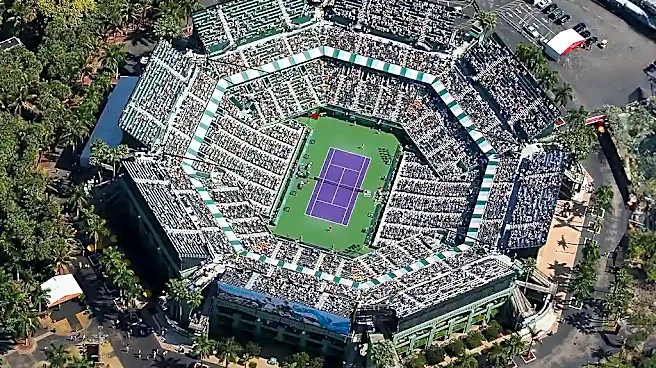
But in 1975, the tournament made a radical change, moving to green clay courts at Forest Hills in Queens. This slowed the game down, favoring patient baseliners and creating longer, more TV-friendly rallies. That clay era was short-lived. In 1978, the tournament found its permanent home and modern identity, moving to the custom-built USTA National Tennis Center in Flushing Meadows and its new hard courts. This surface—a cushioned acrylic—became the great equalizer, a middle ground rewarding both power and endurance, perfectly suited for the American style of athletic, aggressive tennis. Even that has evolved, with the trademarked 'US Open Blue' color introduced in 2005 to provide better contrast for players and TV viewers to see the yellow ball.
The Fight for Fair Pay
No evolution defines the US Open more than its pioneering stance on equality. In 1973, championed by the legendary Billie Jean King, it became the first Grand Slam to award equal prize money to men and women. The year before, men’s champion Ilie Năstase earned $25,000, while women’s champion King received just $10,000. King threatened a boycott, and the tournament responded, making the bold decision to offer both champions $25,000 each in 1973. This was not just a pay increase; it was a cultural statement. It would take over 30 years for the other Grand Slam tournaments to follow suit. The decision cemented the US Open’s reputation as a progressive leader in sports, a legacy that began with King’s refusal to accept the status quo.
Under the Lights in the Big City
Wimbledon has its quiet reverence, but the US Open has its noise, much of it generated after the sun goes down. The introduction of night sessions in 1975 was a game-changer, transforming the tournament into a primetime television event and creating an electric atmosphere unlike any other in tennis. The raucous, sometimes chaotic, energy of a night match in Arthur Ashe Stadium, the world’s largest tennis venue, is the tournament’s signature. Players feed off the energy of the 24,000-strong crowd, and some of the most memorable matches in the tournament’s history have finished well after midnight. This move wasn’t just about scheduling; it was about democratizing the sport, making it accessible to fans who work during the day and establishing the Open as a quintessential New York City spectacle: loud, vibrant, and always entertaining.
The Digital Revolution
The US Open has consistently been the most technologically forward-thinking of the four majors. It was the first Grand Slam to use a tiebreak, introducing it in 1970 to add drama and certainty to set scores. In 2006, it became the first major to implement the Hawk-Eye electronic line-calling system, giving players the ability to challenge close calls and adding a new layer of drama for fans. This embrace of technology extends beyond the court. In partnership with IBM, the tournament provides fans with an advanced digital experience, offering AI-powered analysis, real-time win probabilities, and curated highlights. From retractable roofs that defy the weather to data-driven insights that deepen fan engagement, the Open’s commitment to innovation ensures the experience of watching the tournament continues to evolve for every generation.