






The Initial Blueprint: A Celebration of Stars
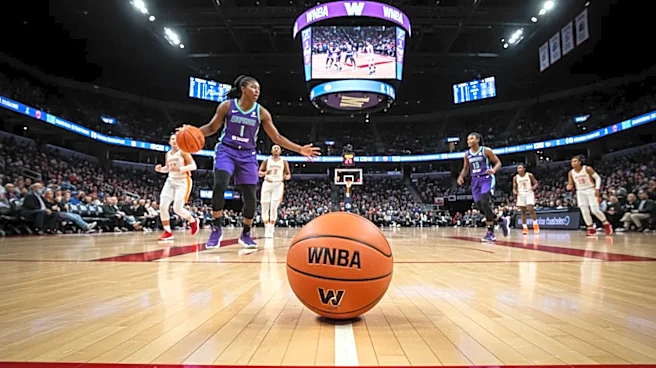
When the first WNBA All-Star Game tipped off in 1999 at a sold-out Madison Square Garden, the playbook was simple and elegant: get the best players on the floor and celebrate them. For nearly two decades, the game followed a traditional East vs. West
format, a straightforward approach focused on showcasing the pioneers and rising stars of the young league. The on-court strategy was less about complex sets and more about creating highlight-reel moments. It was a pure exhibition, a mid-season party where rivalries were set aside for the good of the game. The goal wasn't necessarily to win at all costs, but to put on a show and give fans a chance to see a constellation of talent—from Lisa Leslie, the first-ever MVP, to the other icons of the era—all sharing one court. The event was a testament to the league’s arrival and its star power.
Finding a Competitive Edge
As the league matured, so did the players' approach to the All-Star Game. Slowly, the friendly-exhibition vibe began to mix with genuine competitive fire. Bragging rights started to matter more. While the East vs. West format remained, the intensity quietly ratcheted up. Moments like the thrilling 2014 All-Star Game, the only one in history to go into overtime, signaled a shift. The playbook was no longer just about flashy passes and open-court layups; it started to include tougher defense and more structured half-court possessions. Players who competed fiercely against each other all season found it hard to simply turn that instinct off. This era represented a subtle but significant evolution, where personal and conference pride began to infuse the game with a new layer of drama and strategic intent, moving it beyond a simple showcase.
The Captains' Era and Tactical Shake-ups
In 2018, the WNBA made a deliberate and revolutionary change to the All-Star playbook, doing away with the conference-based format altogether. Inspired by a similar move in the NBA, the league introduced a player draft, where two captains select their teams from the entire pool of All-Stars, regardless of conference. This strategic overhaul was designed to create fresh matchups, break up traditional alliances, and inject a new level of intrigue into the event. Suddenly, longtime rivals could become teammates, and players from the same franchise could face off against each other. The draft itself became a newsworthy event, adding another layer of strategy and personality to the weekend. This change fundamentally altered the game's identity, transforming it from a regional battle into a fantasy-draft-style showdown built for the modern sports fan.
The Modern Paradox: Pace, Space, and Practicality
The current All-Star playbook reflects the broader evolution of basketball itself: an explosion of scoring, three-point shooting, and pace-and-space offense. Recent games have shattered scoring records, with teams trading baskets in fast-paced, entertaining affairs. Yet, this offensive boom has come with a new paradox: criticism about a lack of defensive intensity. However, players have noted that the demanding WNBA schedule, which often sees regular-season games resume just a couple of days after the All-Star festivities, makes it difficult to go all-out in an exhibition. The modern player's playbook, then, involves a complex calculation: put on a show for the fans, showcase the incredible offensive skill that defines today's game, but also manage energy to preserve their bodies for the championship race that awaits them. It's a testament to the players' professionalism and the league's grueling nature.