








Solving the Banking Puzzle
The first thing anyone talks about with Zandvoort is the banking. Corners like Hugenholtzbocht and Arie Luyendykbocht are tilted at aggressive angles, with the latter being steeper than the turns at Indianapolis Motor Speedway. This isn't just for show;
the banking puts immense vertical and lateral forces through the cars and tires. Engineers have to find a delicate balance. They need a car soft enough to handle the elevation changes and ride the kerbs without damaging the floor, but stiff enough to maintain a stable aerodynamic platform through these high-g corners. The unique loads also allow for multiple racing lines through the turns, rewarding driver creativity but punishing the slightest miscalculation.
Downforce is King, But at a Price
Zandvoort is a short, tight, and twisty circuit with very few long straights. In engineering terms, this means one thing: downforce. Teams will pack on as much aerodynamic grip as they can, configuring the cars with large wings similar to setups used at slow-speed tracks like Budapest. This downforce helps the cars stick to the asphalt through the circuit’s many high-speed, flowing corners. However, this comes with a trade-off. A high-downforce setup creates more drag, which reduces straight-line speed. While not a huge penalty here, it can make the car vulnerable on the main straight, the track's primary overtaking opportunity. Nailing this balance is critical, as difficulty in overtaking puts a massive premium on a strong qualifying performance.
The Unpredictable Coastal Variables
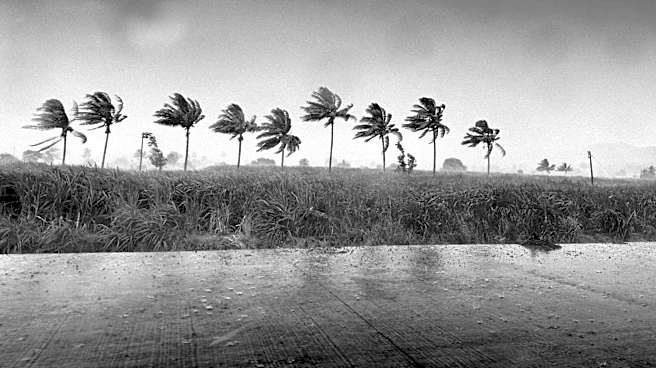
Beyond the track layout itself, Zandvoort's location by the North Sea adds two major wildcards: wind and sand. Strong, unpredictable gusts of wind can blow in from the coast, upsetting the car's aerodynamic balance, especially through fast corners. Even more unique is the sand that gets blown onto the track from the nearby dunes and beaches. This can drastically reduce grip, making the surface evolve and change not just from day to day, but sometimes from one session to the next. A driver might find the track has less grip than it did just hours before, forcing constant adaptation. This low-grip surface, combined with narrow runoff areas and merciless gravel beds, means small mistakes are heavily punished.
A True Test of Driver Mettle
Ultimately, a perfectly prepared car is only as good as the driver behind the wheel. Zandvoort is considered a true driver's track because it is physically demanding and unforgiving. The high-speed changes of direction and sustained G-forces through the banked corners require immense physical and mental stamina. With overtaking being notoriously difficult, the pressure is on to deliver a perfect lap in qualifying. Race day then becomes a chess match of strategy and flawless execution. Because passing is so tough, tire management becomes crucial, particularly for the front-left tire, which takes a beating here. A two-stop strategy is often expected, but a well-timed Safety Car, which has a high probability at this circuit, could throw all those plans out the window in an instant.