


Humble Beginnings in a Football Town
When the Pro Football Hall of Fame opened its doors on September 7, 1963, the mission was simple: to honor the legends of the sport. Canton, Ohio, was the only logical home, being the very city where the American Professional Football Association (which
would become the NFL) was founded in 1920. The initial induction was a dignified, relatively small-scale affair. It was an important recognition of the game's past, but it was far from the sprawling, multi-day event fans know today. The focus was squarely on enshrining the 17 charter members and preserving history within the museum's walls. For years, it remained primarily a historical ceremony, a heartfelt but quiet nod to the titans of the gridiron.
The Game That Changed Everything
The first major pivot from a simple ceremony to a fan-focused event came with the introduction of the Hall of Fame Game. The inaugural game was actually played in 1962, a year before the Hall officially opened, to help raise funds for its construction. That contest, a 21-21 tie, proved so popular that it became an annual tradition. By pairing the enshrinement with a live exhibition game, the weekend gained a crucial active-football component. It gave fans a reason to travel to Canton not just to see bronze busts, but to see actual footballs fly. This move unofficially positioned the weekend as the first taste of NFL action after the long offseason, a tradition that continues to this day as it kicks off the preseason.
A Civic Festival Wraps Around the Weekend
The community of Canton didn't just host the Hall of Fame; they embraced it and built a city-wide celebration around it. The Pro Football Hall of Fame Enshrinement Festival became a massive undertaking. A key component is the Canton Repository Grand Parade, a tradition that also dates back to 1963 and draws around 100,000 spectators for a 2.2-mile procession of floats, bands, and, most importantly, the new class of enshrinees and returning Hall of Famers. Over the years, more events were added, including a balloon classic, concerts, a fashion show, and fan festivals. These events turned the weekend from an NFL-specific affair into a regional attraction that brings in nearly 700,000 people, creating a festival atmosphere that lasts for days.
The Made-for-TV Spectacle
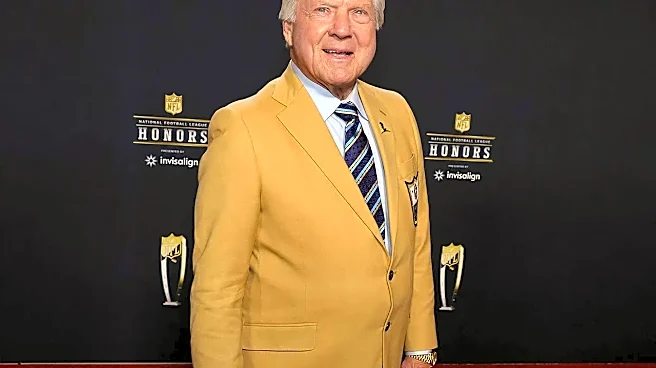
In the modern media landscape, if an event isn't on television, it almost doesn't exist on a national scale. The Hall of Fame weekend's ascent was supercharged by a growing media presence. The Enshrinees' Gold Jacket Dinner, where new members receive their iconic jackets, became a highly emotional, broadcasted event. The Enshrinement Ceremony itself moved from the steps of the museum to the larger Tom Benson Hall of Fame Stadium to accommodate more fans and a grander production. Networks like ESPN and NFL Network began providing wall-to-wall coverage, televising the game, the parade, and the ceremony nationally. This constant exposure amplified the weekend's importance, turning it from a local Ohio event into a can't-miss national broadcast for football fans everywhere.
The Unofficial Season Kickoff
All these elements—the game, the parade, the fan fests, and the media saturation—have culminated in the Hall of Fame weekend's modern identity: the unofficial start to the NFL season. It serves as the perfect bridge between the quiet of early summer and the ramp-up of training camps. Fans get their first look at players in uniform, the media gets its first major talking points, and the league gets a powerful platform to celebrate its history while looking toward its future. The weekend is no longer just about who is getting into the Hall. It's a reunion for the entire football family, from legendary players to the everyday fan, all gathering in the sport's birthplace to celebrate the return of America's game.