


Going All-In on Starting Pitching
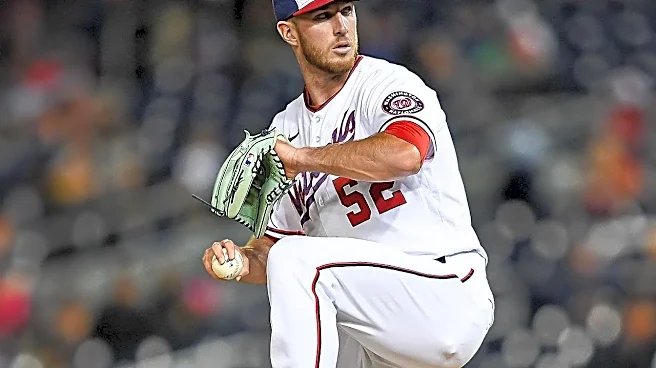
In an era where “bullpenning” became a strategic buzzword, the Nationals zigged while everyone else zagged. General Manager Mike Rizzo built his contenders around a formidable, expensive, and dominant starting rotation. The peak of this philosophy was
the 2019 World Series team, which boasted the trio of Max Scherzer, Stephen Strasburg, and Patrick Corbin. That postseason, the starters were workhorses, pitching deep into games and minimizing the pressure on a shaky bullpen. Their championship run served as a powerful counter-argument to the prevailing trend, reminding the league of the immense value of having true aces who can control a game from the first pitch. While the league still heavily relies on relievers, the Nats’ success reinforced the premium placed on top-of-the-rotation talent, a strategy teams continue to emulate when they have the resources.
Perfecting the 'Stars and Scrubs' Roster
The Nationals didn't invent the "Stars and Scrubs" model—a strategy of spending big on a few elite players and filling the rest of the roster with bargains—but they became one of its most successful case studies. For years, their payroll was top-heavy, allocated to superstars like Bryce Harper, Scherzer, Strasburg, and Anthony Rendon. The rest of the roster was a masterclass in finding value: savvy trades for veterans, reclamation projects, and platoon players who excelled in specific roles. This approach allowed them to consistently feature game-changing talent without needing a perfectly balanced roster from top to bottom. The 2019 team was the ultimate example, winning it all after letting a superstar (Harper) walk and reinvesting in pitching while relying on clutch performances from role players like Howie Kendrick. This high-risk, high-reward model is now a common sight across the league, particularly for mid-market teams trying to compete with financial behemoths.
The Power of the Patient Rebuild
After relocating to D.C. in 2005, the Nationals were abysmal. But through those painful 100-loss seasons, they laid a foundation that would influence a generation of rebuilding teams. They committed to a long-term plan centered on high draft picks, landing franchise-altering talents like Ryan Zimmerman, Stephen Strasburg, and Anthony Rendon. Under Rizzo, the organization became known for being fiercely protective of its top prospects, refusing to trade them for short-term rentals and instead trusting their own scouting and development. This philosophy of building a homegrown core, cultivating a top-ranked farm system, and waiting for the right moment to strike became a blueprint for teams like the Houston Astros and Chicago Cubs, who followed similar paths to their own championships.
A Case for Clubhouse Culture
Analytics dominate modern baseball, but the 2019 Nationals made a compelling case for the unquantifiable magic of team chemistry. Left for dead after a disastrous 19-31 start, the team rallied around the unlikely anthem of "Baby Shark" and a loose, veteran-led clubhouse atmosphere. Their incredible turnaround wasn't just about talent; it was about a collective belief and a refusal to panic. In a sport increasingly driven by cold, hard data, the Nats' journey was a reminder that the human element—camaraderie, resilience, and having fun—can be a decisive competitive advantage. Their run provided a powerful narrative that front offices around the league couldn't ignore, reinforcing the importance of scouting for makeup and character, not just physical tools.