








The Zone Scheme: A Dance of Patience and Vision
Think of a zone-blocking scheme as a flowing river. Instead of targeting one specific defender, offensive linemen move in unison, creating a wall of bodies flowing horizontally in the direction of the play. Their job is to block an area or “zone,” not
a designated man. This creates natural seams and cutback lanes as the defense reacts and flows with them. Success in a zone scheme is all about the running back. Backs like those in Kyle Shanahan-style offenses are famous for this. They must have elite vision and patience, pressing the line of scrimmage to let the blocks develop before making one decisive cut and exploding upfield. This system values athletic, instinctive runners who can read the defense on the fly. Because it relies on linemen working in tandem, it can make average running backs look great and turn elite ones into superstars.
The Gap Scheme: A Head-On Collision of Power
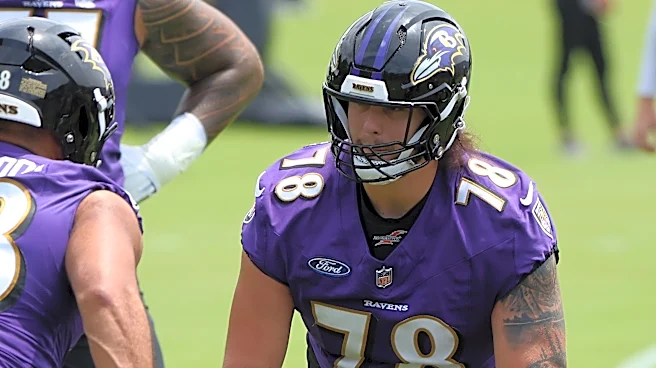
If zone is a river, the gap scheme is a battering ram. It’s a more direct, physically aggressive approach to running the football. Here, each lineman is assigned a specific defender to block, with the goal of creating a predetermined hole, or “gap,” for the back to run through. Gap plays often feature pulling guards or tackles who loop around from the backside of the formation to lead the back through the hole, creating a numbers advantage at the point of attack. This is old-school, smash-mouth football. It's less about the back's creativity and more about downhill, one-track speed and power. Backs who thrive here are often decisive, powerful runners who hit the designed hole without hesitation. Teams like the Baltimore Ravens have built their identity on physically overwhelming opponents with gap-scheme principles.
Impact on Running Backs: Consistency vs. Explosiveness
For fantasy, the scheme-player fit is everything. Zone schemes tend to produce more consistent week-to-week yardage. Because the back has multiple options, it can lead to fewer negative plays. This provides a high floor for fantasy production, especially in points-per-reception (PPR) formats where a steady diet of 15-20 touches is gold. However, the downside can sometimes be a lack of explosive, long touchdowns if the back isn't a true home-run hitter. Gap schemes, on the other hand, can be more boom-or-bust. A well-executed power run can spring a back for a 50-yard touchdown, but if a single block is missed, the play can be stuffed for a loss. Gap schemes often excel in short-yardage and goal-line situations, giving their backs significant touchdown upside. Some backs are demonstrably better in one scheme; for example, analyses have shown some veterans are significantly more efficient on gap concepts than zone plays.
The Ripple Effect: Quarterbacks and Receivers
The run scheme's impact extends beyond the backfield. Zone-heavy offenses are notorious for creating devastating play-action passing games. The horizontal flow of the offensive line and the threat of the run forces linebackers to commit, opening up huge voids behind them for tight ends and receivers on crossing routes. Quarterbacks in these systems often see high efficiency on play-action throws. Gap schemes can also set up the pass, but they uniquely benefit mobile quarterbacks. A QB who can follow his pulling guard on a designed run or scramble adds a dimension that defenses must account for, creating opportunities elsewhere. The physical nature of the gap run game can wear down a defense, setting up favorable matchups for receivers in the second half.
The Verdict: Which Is Better for Your Team?
There is no single "better" scheme for fantasy football; the answer depends on the player. The fantasy manager's job is to identify which players are in a scheme that maximizes their specific talents. A patient, one-cut runner in a wide-zone system is a recipe for consistent fantasy points. A powerful, downhill thumper on a team that runs power and counter at the goal line is a touchdown machine waiting to happen. More and more, NFL teams are blending concepts, making it crucial to not just know what scheme a team runs, but how their star players fit into it. For instance, some teams are known to primarily utilize man/gap schemes, while others are famous for their heavy use of outside zone. Analyzing these tendencies can provide a significant edge.