


The Max Verstappen Effect
You can't talk about the Dutch Grand Prix without starting with one man: Max Verstappen. Before his explosive arrival in F1 in 2015 as the youngest driver in history, the sport was a niche interest in the Netherlands. But Verstappen didn’t just participate;
he won, becoming the youngest-ever Grand Prix winner at 18. His aggressive, fearless driving style and direct personality captured the nation's imagination. He gave the Dutch a hometown hero in a global sport, and they responded by creating a movement. This single-star power was the spark that reignited Dutch passion for F1 after a 36-year absence of its home race, providing a hero for a new generation to rally around.
The Orange Army: A Sea of Fandom
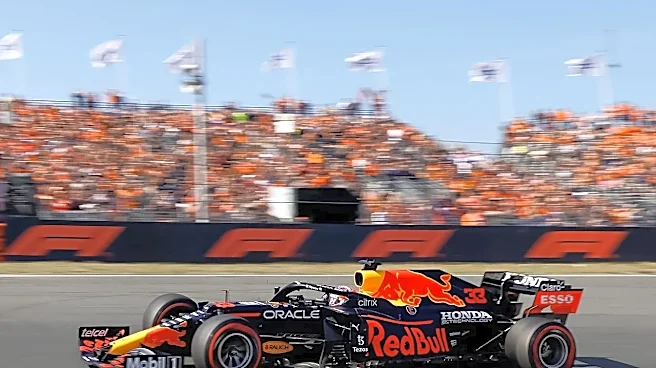
The most visible symbol of this new era is the 'Orange Army'. Clad in the national color of the Netherlands, which honors the royal House of Orange-Nassau, these fans transform the grandstands into a vibrant, pulsing sea of orange. This isn't just passive spectating; it's an immersive, collective experience. The Orange Army travels, turning races in Austria, Belgium, and beyond into de facto home events for Verstappen. This visual spectacle has become one of the defining images of modern F1, creating a powerful sense of belonging that is incredibly attractive to younger fans looking for community and shared identity. Their energy is so infectious that it has reportedly inspired other fan groups to become more vocal and vibrant.
More Than a Race, It's a Festival
The organizers of the Dutch Grand Prix understand a crucial point: for many younger attendees, the on-track action is only part of the appeal. The Zandvoort circuit is intentionally curated as a three-day festival. Beyond the roar of engines, the event features performances from world-renowned DJs like Martin Garrix, a packed F1 Fanzone with simulators and games, and an electric party atmosphere that lasts all weekend. This blend of top-tier motorsport and live entertainment creates a much broader appeal. It attracts people who might come for the concert but stay for the race, effectively creating new F1 fans by offering a complete entertainment package rather than just a sporting event.
An Old-School Track with a Modern Vibe
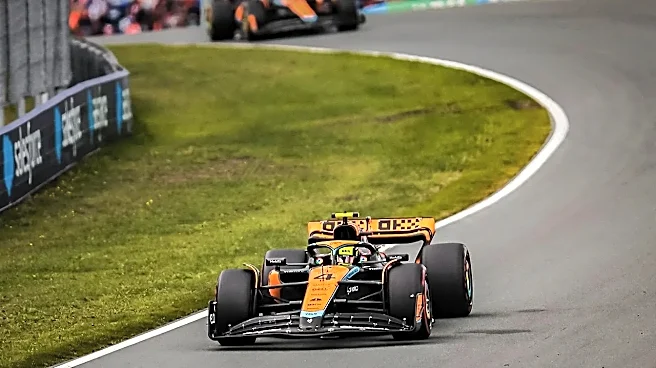
The Circuit Zandvoort itself is a major character in the story. First opened in 1948, it's an 'old-school' track that swoops and flows through coastal sand dunes, giving it a rollercoaster-like feel that drivers describe as 'crazy' and 'insane'. When the track was modernized for F1's return in 2021, unique features were added, like steeply banked corners with an 18-degree incline, even steeper than at the Indianapolis Motor Speedway. This combination of historic challenge and modern engineering makes for thrilling racing. The seaside location, just a short train ride from Amsterdam, adds to the unique destination appeal, making the race weekend feel like a genuine getaway.
A Blueprint for the Future
The Dutch Grand Prix has become a benchmark for fan engagement in Formula 1. The event has been praised for its innovative approach, which includes a focus on sustainability—with nearly all fans arriving by train or bicycle—and inclusivity, with dedicated facilities for fans with disabilities. This forward-thinking approach resonates with a younger, more socially-conscious audience. By successfully combining a national hero, a vibrant fan culture, a festival atmosphere, and a challenging track, Zandvoort has created a powerful and repeatable model for how to capture the hearts and minds of the next generation of motorsport enthusiasts.