




Your Brain on Draft Day
A fantasy football draft isn't just a three-hour party with friends; it's a high-stakes, sequential decision-making marathon. Every pick, from your first-round stud to your last-round flyer, is a complex calculation. You're weighing player talent, positional
scarcity, bye weeks, your opponents' needs, and a dozen other variables. This constant mental workout consumes a finite resource: your cognitive energy. Social psychologist Roy Baumeister identified this phenomenon as decision fatigue, where the sheer number of choices you make degrades the quality of your subsequent decisions. Just like a muscle, your brain gets tired. And a tired brain makes bad choices.
The Science of Decision Fatigue
Decision fatigue explains why your picks get progressively worse as the draft drags on. In the early rounds, you’re sharp, focused, and weighing tradeoffs effectively. By the middle rounds, your mental fuel tank is half-empty. You start simplifying. Instead of a nuanced analysis, you might just grab the next best player on a pre-printed list, ignoring your team's specific needs. By the late rounds, your brain is running on fumes. This is when you become impulsive, making risky or irrational choices. You might draft a second defense 'just in case' or reach for a player based on name recognition alone, simply because it’s the easiest path forward. When mental resources are depleted, we tend to default to the familiar or avoid complex choices altogether.
The Sleep Deprivation Penalty
Now, layer a lack of sleep on top of that mental exhaustion. Staying up late the night before to cram player stats is the fantasy equivalent of pulling an all-nighter for a final exam—and it often produces similar results. Research shows that even one night of sleep deprivation significantly slows your thought processes and impairs judgment. The part of your brain responsible for complex thinking and impulse control, the prefrontal cortex, literally gets less fuel. In a draft, this manifests as slower reactions to a player unexpectedly falling to you or an inability to properly assess risk. A tired brain is more likely to fall for cognitive biases, like chasing a positional run because everyone else is doing it, rather than sticking to a value-based strategy.
Your Anti-Fatigue Game Plan
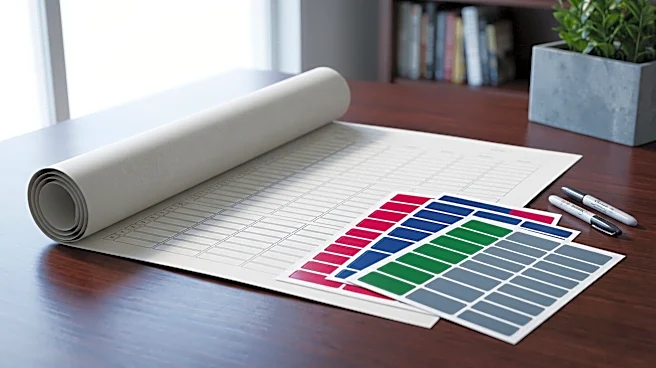
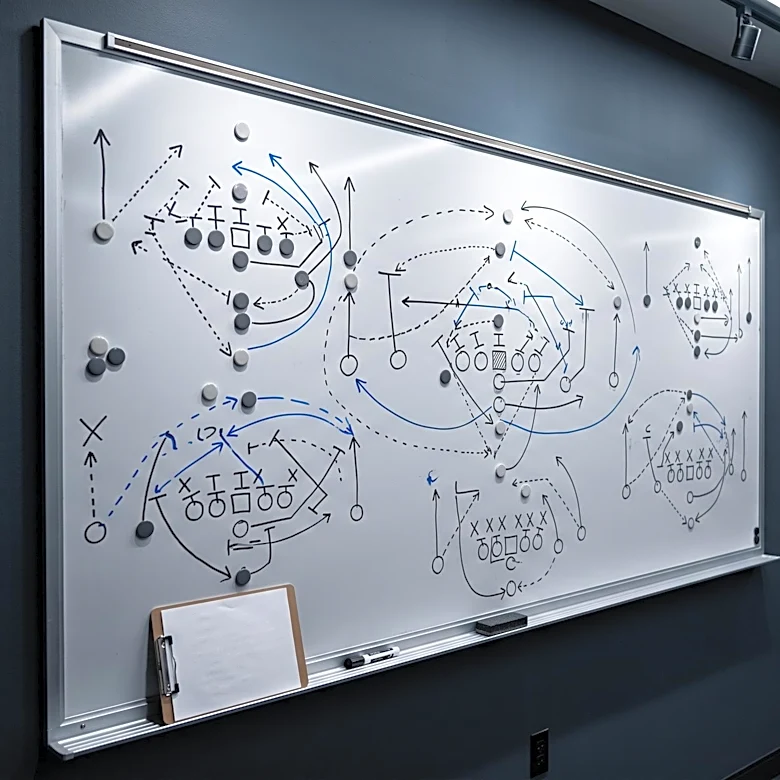
Winning your draft requires managing your mental energy as much as knowing the players. The good news is, these are self-inflicted wounds, which means they are entirely avoidable. First, prepare ahead of time. Don't just make a list of players you like; create tiers. This simplifies your in-draft choices from hundreds of options to just a few within a specific tier, saving immense mental energy. Second, get a good night's sleep. It sounds simple, but showing up well-rested is a massive competitive advantage. During the draft, stay hydrated and have healthy snacks on hand; your brain needs fuel. Finally, trust your prep work. When fatigue inevitably sets in during those late rounds, don't panic. Stick to your tiers and pre-draft strategy. That work was done by a rested, rational version of you—trust that person.