



The Ground-Shaking Entrance at Virginia Tech
Before the Virginia Tech Hokies even take the field, Lane Stadium begins to tremble. The opening riff of Metallica's "Enter Sandman" erupts from the speakers, and 66,000 fans begin to jump in unison. The tradition began in 2000 with the installation of a new
videoboard, but the iconic jumping wasn't added until a year later, supposedly started by marching band members trying to stay warm on a cold night. The result is one of the most electric and intimidating entrances in all of sports, an experience so powerful it has been known to register on local seismographs. It’s a visceral, bone-rattling spectacle that perfectly captures the raw energy of college football.
The 12th Man Stands Ready at Texas A&M
At Texas A&M, the fans don't just watch the game—they're a part of the team. The "12th Man" tradition dates back to January 2, 1922, during the Dixie Classic against top-ranked Centre College. With his team depleted by injuries, Coach Dana X. Bible called a student, E. King Gill, out of the stands to suit up and stand ready on the sideline. Gill never played, but his readiness to serve inspired a legacy. Today, the entire student body stands for the duration of every home game, symbolizing their unwavering support and preparedness to be called upon. This powerful gesture of unity and selfless service is a cornerstone of Aggie identity.
The Lambeau Leap in Green Bay
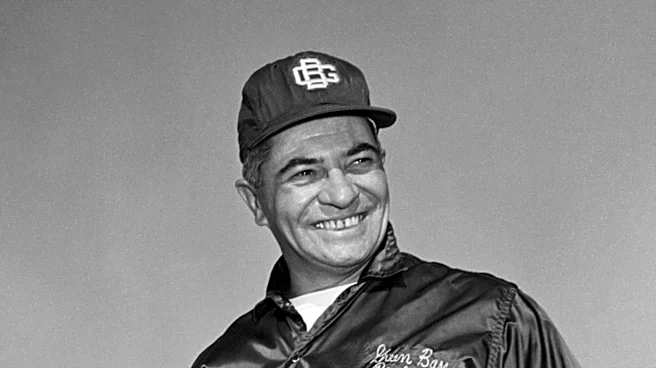
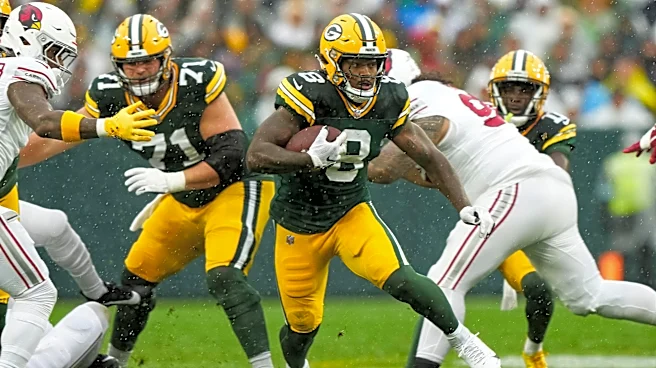
In the world of professional sports, where players and fans are often separated, the Lambeau Leap is a moment of pure, unscripted connection. The tradition was born on December 26, 1993, when Green Bay Packers safety LeRoy Butler scored a touchdown and, on instinct, jumped into the arms of fans in the end zone. What started as a spontaneous celebration became an iconic Packers ritual, a chance for players to share their biggest moments directly with the fan base that supports them through the notoriously cold Wisconsin winters. It’s a simple act that beautifully bridges the gap between the gridiron and the grandstand.
Wisconsin's Fourth-Quarter 'Jump Around'
As the third quarter ends at the University of Wisconsin's Camp Randall Stadium, a familiar trumpet blast signals the start of joyous chaos. House of Pain’s 1992 hit "Jump Around" pours through the speakers, and nearly 80,000 fans begin to pogo, shaking the very foundations of the stadium. This tradition started on October 10, 1998, during a game against Purdue, when a marketing intern on the athletic staff added the song to the playlist. The energy it created was so infectious it became a permanent fixture. At one point in 2003, the tradition was briefly paused over structural concerns during stadium renovations, leading to fan outcry that ensured its swift return at the very next game.
Clemson's Run Down The Hill
Dubbed "the most exciting 25 seconds in college football," this tradition is a masterclass in pageantry. Before each home game, Clemson players gather at the top of a hill in the east end zone of Memorial Stadium, also known as Death Valley. At the summit sits Howard's Rock, a piece of quartzite from California given to legendary coach Frank Howard. Howard first told his players they could rub the rock for luck in 1967 if they promised to give 110%. After rubbing the rock, the players run down the grassy hill onto the field as the band plays and the crowd erupts. It’s a dramatic, goosebump-inducing entrance that symbolizes the passing of a torch from one generation of players to the next.