


The Unmistakable Orange Army
First, you notice the color. Orange is everywhere, transforming the Zandvoort circuit into a vibrant, living entity. This is the work of the 'Oranje Army,' the legion of Dutch fans whose passion has become a global F1 phenomenon. Their support is not just
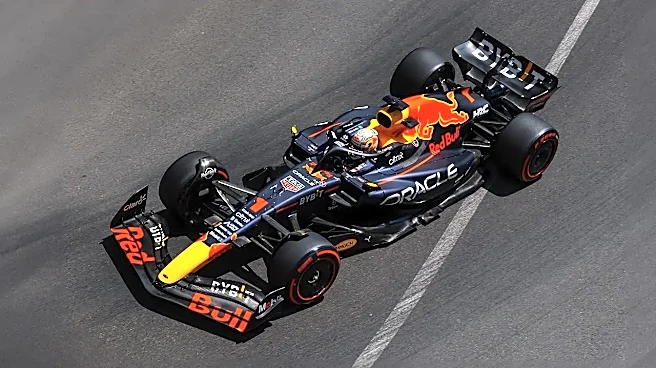
for any driver; it is an explosion of national pride centered on one man: Max Verstappen. Before Verstappen’s meteoric rise, F1 was a relatively niche sport in the Netherlands, overshadowed by soccer and cycling. His arrival on the scene, becoming the youngest F1 driver in 2015 and winning his first race with Red Bull in 2016, ignited a national obsession. The 'Oranje Army' channels a broader Dutch cultural phenomenon known as 'Oranjegekte' (Orange Craze), a patriotic fervor that usually surfaces during major soccer tournaments. Now, it has a permanent home in motorsport, turning every race Verstappen attends into a home game.
A Cathedral of Speed in the Dunes
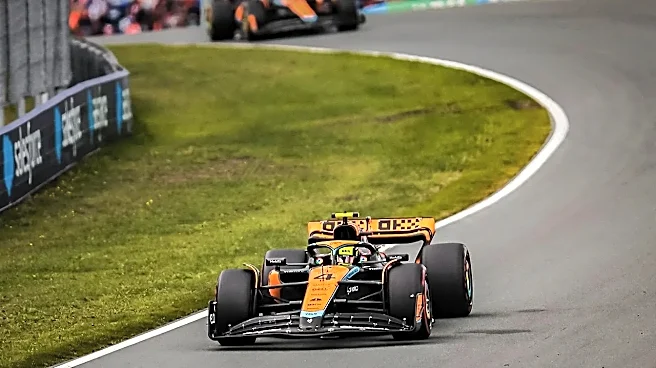
The celebration isn’t just about the fans; it’s deeply connected to the venue itself. Circuit Zandvoort is a historic track, first opened in 1948 and hosting its first F1 championship race in 1952. Nestled in the sand dunes along the North Sea coast, its layout is a throwback to an older era of racing: narrow, undulating, and notoriously challenging. After a 36-year absence from the F1 calendar, the circuit was modernized for its return in 2021. These renovations included the addition of dramatic banked corners, such as the final Arie Luyendykbocht, which is steeper than the banking at the Indianapolis Motor Speedway. This blend of old-school danger and modern engineering creates a rollercoaster-like experience for drivers and a spectacular show for fans, with the unforgiving gravel traps punishing any mistake. The track’s proximity to the beach adds to its unique character, allowing fans to mix high-octane racing with seaside relaxation.
More Than a Race, It's a Festival
What truly sets the Dutch Grand Prix apart is its transformation of a sporting event into a full-blown festival. The atmosphere is closer to a massive outdoor concert than a traditional motorsport race. In the breaks between on-track action, world-renowned Dutch DJs like Martin Garrix and Afrojack take over, pumping electronic dance music through the grandstands and creating a party vibe that lasts all weekend. The 'Arena' section, a stadium-like complex of grandstands around Turns 11 and 12, is the epicenter of this energy. Here, the music is loudest and the orange smoke from flares (a signature, though discouraged, fan tradition) is thickest. This commitment to entertainment elevates the weekend beyond a simple competition, making it a destination event that draws people for the culture as much as the cars.
A Legacy of Dutch Motorsport
While Verstappen is the current catalyst, the passion for motorsport in the Netherlands has deep roots. For decades, the country has consistently had drivers in Formula 1, from Jan Lammers in the 1970s and 80s to Max's own father, Jos Verstappen, in the 1990s. Though none achieved the mass appeal of Max, they kept the flame of Dutch motorsport alive. The Dutch Grand Prix itself is steeped in history, having been the site of iconic moments like Niki Lauda's final F1 victory in 1985, the last race before the long hiatus. The return of the Grand Prix was not just a commercial decision; it was the revival of a national sporting treasure, made possible by the collective will of a fanbase re-energized by a once-in-a-generation talent. This history provides a rich soil from which the current celebration grows, connecting today's orange-clad fans to a long and proud, if sometimes understated, racing heritage.