


The Sunday Night Despair
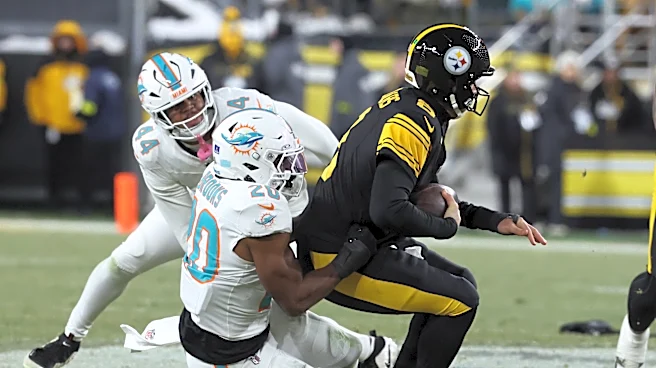
The scene is painfully familiar. It’s 4:30 p.m. on a Sunday in October. Your fantasy team’s star running back—the one you spent a first-round pick on—plants his foot awkwardly and goes down in a heap. He limps off the field, straight to the dreaded blue
medical tent. The TV broadcast cuts to a commercial, but you’re already doom-scrolling social media for an update. By evening, the news breaks: a high-ankle sprain, a torn MCL, a trip to the Injured Reserve. Your season, it seems, is over. But then, a glimmer of hope emerges. His backup, a player whose name you barely recognize, comes in and rushes for 60 yards and a touchdown in the fourth quarter. Suddenly, a new obsession begins, and it’s pointed directly at Tuesday.
The Tuesday Morning Frenzy
For the uninitiated, Tuesday is the day that fantasy football leagues process waiver claims. This is the system used to acquire players who aren't on any team's roster. Managers frantically place bids, using either a waiver priority system or a Free Agent Acquisition Budget (FAAB), to snag the week's hottest commodities. And no commodity is hotter than a running back suddenly thrust into a starting role. Running backs are the lifeblood of fantasy football. Unlike receivers who might share targets, a lead running back can command a massive volume of touches, making them the most valuable and scarce assets in the game. When a starter goes down, his backup—often called a "handcuff"—is presumed to inherit that precious workload. This creates a mad dash, turning a previously anonymous athlete into the most coveted prize in the fantasy landscape for a 48-hour period.
From Benchwarmer to Trending Topic
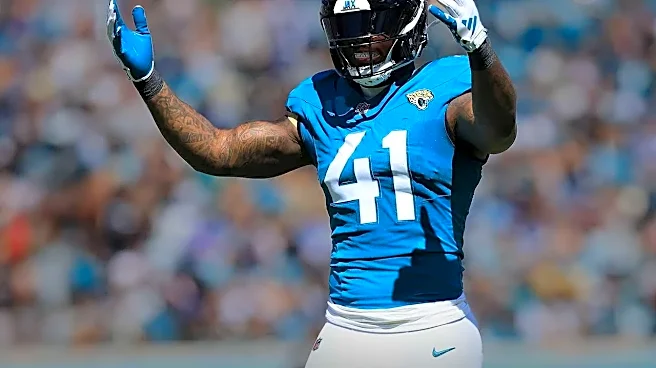
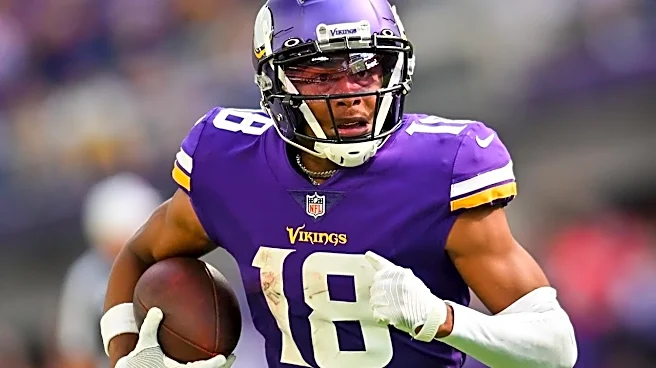
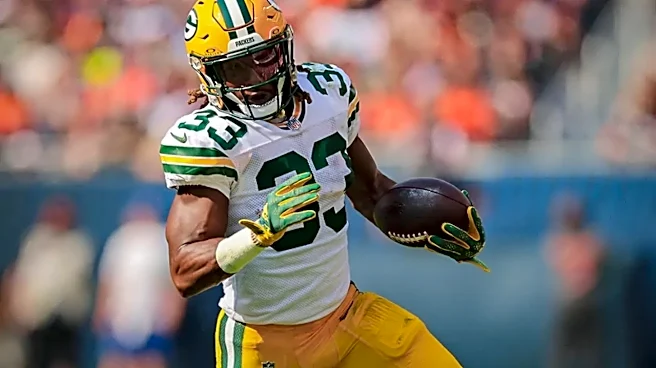
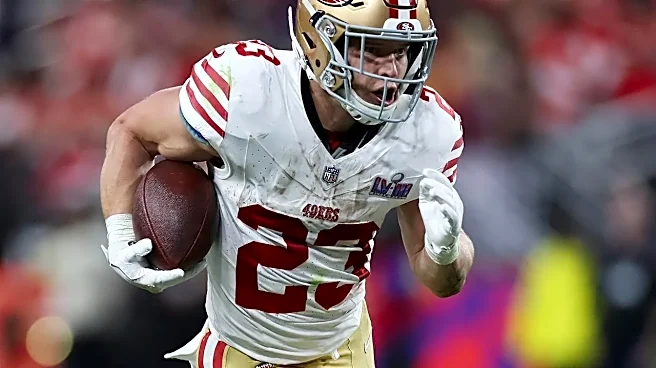
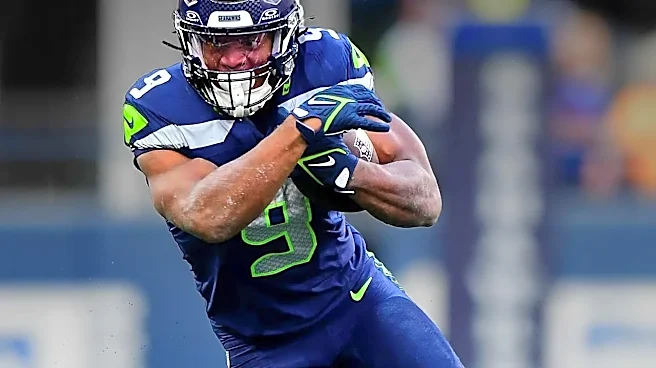
The transformation is staggering. A player who was a complete unknown on Sunday morning becomes a trending topic on social media by Monday afternoon. Fantasy analysts dedicate entire shows and articles to dissecting his college stats, his athletic profile, and his potential workload. His name is typed into search engines more times in a single day than in his entire career prior. Managers in a dozen different group chats are all asking the same question: "How much are you bidding on him?" This is the birth of the Tuesday Celebrity. It’s a unique form of fame—intense, speculative, and often, incredibly brief. These players become avatars of hope, the lottery tickets that could salvage a fantasy season. Every year, a few waiver wire pickups become legitimate league-winners, the kind of players who carry teams to championships and become legends in fantasy circles.
The Unspoken Reality
Of course, for every waiver wire hero, there are a dozen who flame out. Sometimes the backup isn't as talented as the starter. Sometimes they cede work to a third-stringer or a newly signed veteran. Often, the player who looked explosive in limited action struggles with the grind of a full workload. By the following Sunday, the Tuesday Celebrity can quickly become a fantasy bust, discarded back to the waiver wire from whence he came. But the outcome is almost secondary to the process itself. The ritual is the point. The shared experience of identifying a target, plotting your bid, and sweating out the results until waivers clear early Wednesday morning is a fundamental part of the modern fan experience. It binds fantasy managers in a collective cycle of despair, research, and frantic, hopeful optimism. The backup running back may only be a celebrity for a day, but in the world of fantasy football, Tuesday is their time to shine.