




The Only Team in Town
For much of America, there is no local NFL team. States like Alabama, Oklahoma, and Nebraska are defined not by a professional franchise but by their powerhouse university programs. In these regions, college teams are more than just athletic programs;
they are symbols of state pride. The University of Alabama's crimson and white are woven into the state's identity as much as any landmark. When there isn't a professional team to root for, the local university becomes the default and most important unifying force. This creates a deeply personal and geographically concentrated loyalty that the more corporate, big-city NFL can't easily match. A college team represents an entire institution and the community that surrounds it, making it easier for a wider range of people to feel invested.
An Engine for Main Street
While some academic studies question the long-term economic growth spurred by college football, the short-term impact on game day is undeniable for many small to mid-sized towns. On fall Saturdays, college towns like Knoxville, Tennessee, or State College, Pennsylvania, see their populations swell dramatically. These visitors fill hotels, restaurants, and shops, creating a massive surge in sales and tax revenue that local businesses often depend on for their annual budgets. In some cases, a full season of home games can generate a local economic impact comparable to hosting a Super Bowl. This financial reality means the success of the football team is directly tied to the economic health of the community, turning fans into stakeholders.
A Sacred, Generational Ritual
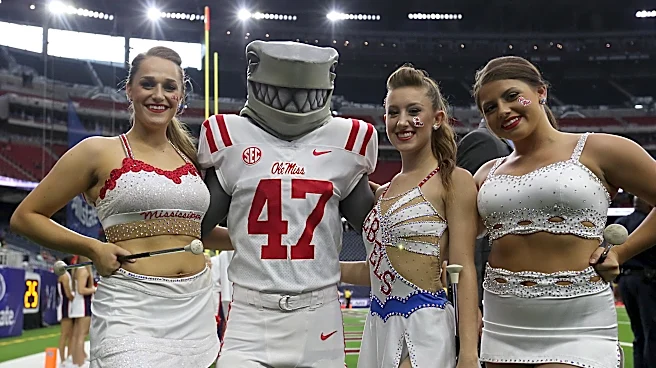
College football is steeped in tradition passed down through generations. Rivalries like Michigan vs. Ohio State or the 'Iron Bowl' between Alabama and Auburn are decades-old conflicts that divide families and define the calendar. Game day itself is a ritual filled with pageantry unlike anything in professional sports. From the pre-game tailgates, which are massive community events, to the marching bands and unique school traditions like Texas A&M's '12th Man' or Notre Dame's 'Play Like a Champion Today' sign, the entire experience fosters a sense of belonging. This connection is often forged in person, on campus, creating a powerful bond between fans, alumni, and the institution itself that lasts a lifetime.
The Romance of the Amateur
Even with the advent of Name, Image, and Likeness (NIL) deals, a perception persists that college football is somehow purer than the professional game. Fans often see college athletes as playing for the love of their school and community, not just a paycheck. This creates a different kind of connection; these aren't millionaire employees of a distant corporation, but students who might be in your chemistry class or live down the hall. The perceived chaos and unpredictability of games played by 18-to-22-year-olds adds to the excitement. While the NFL offers a more polished, elite product, college football's appeal lies in its occasional messiness, its high stakes where a single loss can derail a season, and its deeply personal connection to a place you can call home.