

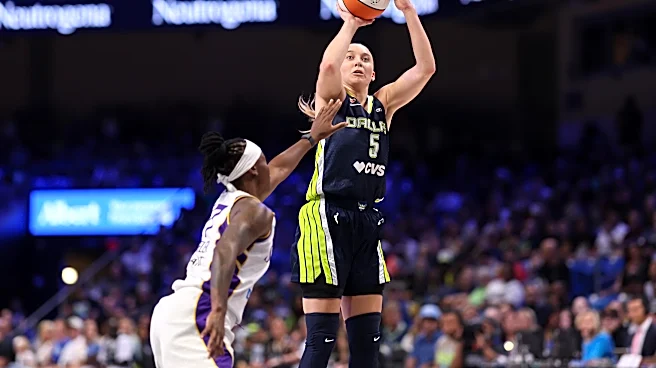
The Basic Chess Match
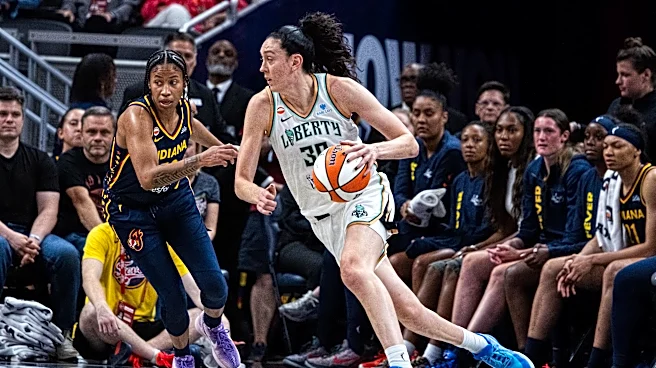
At its core, the pick-and-roll is simple: a player without the ball (the screener) sets a block on the ball-handler's defender, forcing the defense into a moment of crisis. Does the defender fight over the screen? Go under it? Do the defenders switch
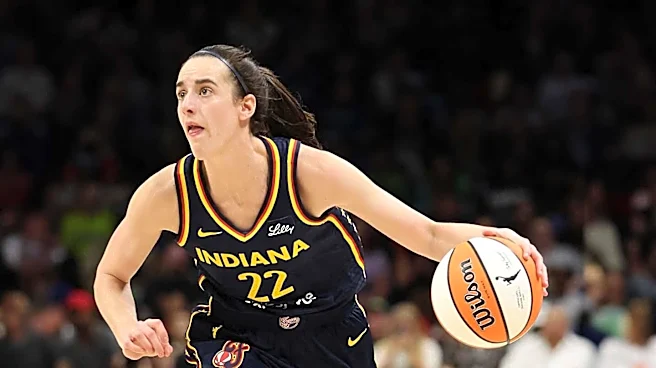
assignments? The All-Star guards aren't just running a play; they are asking the defense a series of questions. Their genius lies in how quickly they read the answers and deliver the punishment. For a guard like Caitlin Clark, whose deep shooting range and passing vision were on full display, the pick-and-roll is less a set play and more a launchpad for improvisation. The milliseconds after the screen is set are where the game is won, and it’s where the elite separate themselves.
Read One: Punishing the Drop
The most common defensive coverage against the pick-and-roll is the "drop." The screener's defender hangs back in the paint to protect the rim, while the guard's defender chases over the screen. This gives the ball-handler a precious pocket of space around the free-throw line. For years, this was a safe bet for defenses. But today’s guards have turned it into a kill zone. A player with a lethal pull-up jumper, like Arike Ogunbowale or Kelsey Mitchell, feasts on this coverage. They’ll use the screen, take one or two dribbles into that open space, and rise up for a mid-range shot or a three-pointer before the big defender can contest. What looks like a simple jump shot is actually a direct response to the defense’s decision to concede space.
Read Two: Exploiting the Hard Hedge
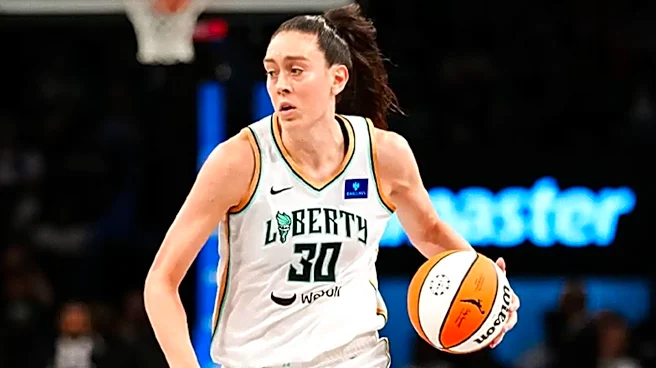
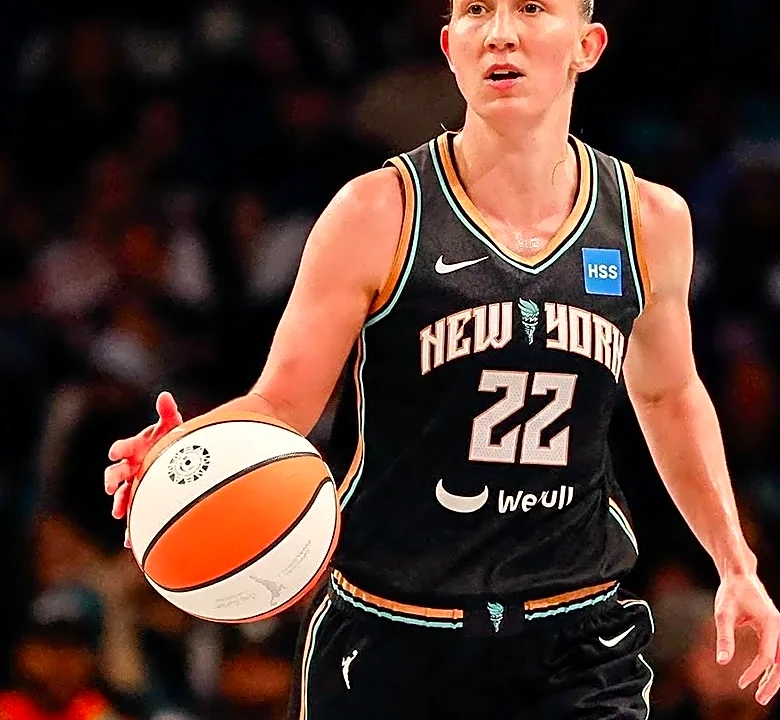
So, what if the defense gets aggressive? In a "hard hedge" or "trap," the screener's defender lunges out at the ball-handler, creating a momentary double-team to force a turnover. This is a high-risk, high-reward strategy that elite guards are born to dismantle. The moment they feel that second defender commit, their internal clock starts ticking. They know that somewhere else on the floor, their team has a 4-on-3 advantage. The read is to stay calm, draw the defenders in, and find the open player. Often, this involves a quick pass to the screener, who is now "short rolling" into the space the hedging defender just vacated. Guards with supreme court vision, like the New York Liberty's Sabrina Ionescu or Dallas's Paige Bueckers, excel at this, zipping a pass to the roller for an easy score or a pass to an open shooter on the wing.
Read Three: The Pocket Pass and Floater
If the guard's defender successfully fights over the screen and the screener's defender stays attached—a coverage known as "ice" or "downing"—a different opportunity emerges. The screener will roll hard to the basket, creating a brief passing lane between the two defenders. This is the "pocket pass," a difficult, deft bounce pass threaded through traffic to the rolling big for a layup. It requires perfect timing and chemistry. Alternatively, if that passing lane is clogged but the paint is momentarily open, the guard will deploy a floater—a high-arcing teardrop shot that dies over the outstretched arms of a recovering big. Guards like Jewell Loyd have perfected this tough shot, turning a well-defended play into two points.
The Ultimate Counter: Rejecting the Screen
Perhaps the most advanced read is the one that defies the play itself. As the defense anticipates the screen and prepares its coverage, the guard will make a quick hesitation move and then explode in the opposite direction, "rejecting" the screen entirely. This move preys on the defense's preparedness. A defender leaning one way to get over the screen is suddenly caught off-balance as the guard attacks their high foot, getting a clear lane to the rim. It's a sign of a player with a high basketball IQ, someone who is playing chess while others play checkers. It’s a move that shows they aren’t just running the play; they are reading the minds of their opponents.