



The Injury Itself: A Lingering Foot Problem
The main concern for Ladd McConkey is a nagging foot injury that he reportedly aggravated in Week 4. After being active but not playing a single snap in Week 5, he has been a limited participant in practice this week. Head Coach Jim Harbaugh has labeled
him 'day-to-day', but for a wide receiver who relies on sharp cuts and acceleration, any foot issue is a significant red flag. The Chargers have been cautious, suggesting they are prioritizing his long-term health over a quick return, especially with the team struggling at 0-5 and a bye week looming in Week 7. This isn't a simple 'questionable' tag; it’s a situation fraught with uncertainty and the dreaded risk of re-injury.
The Immediate Fallout: A Decimated Receiving Corps
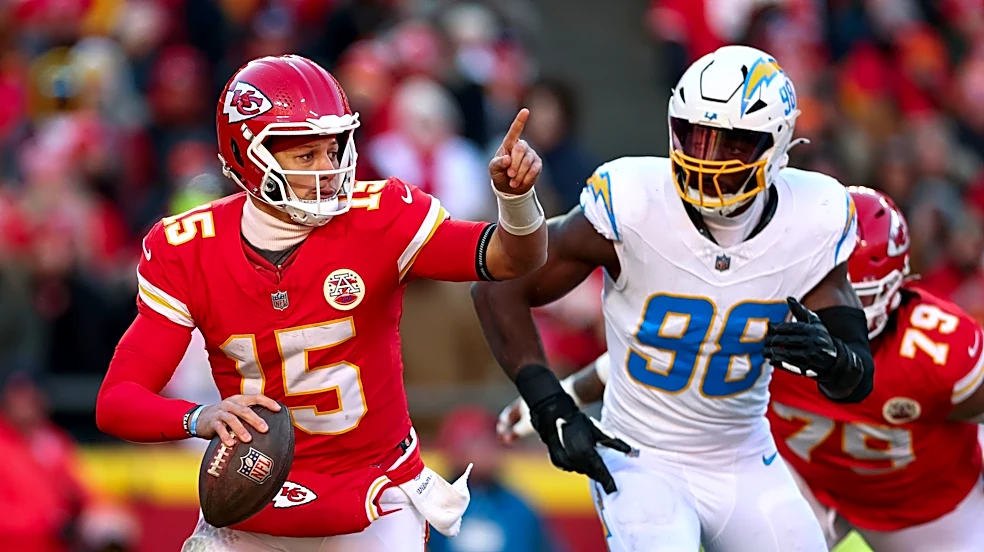
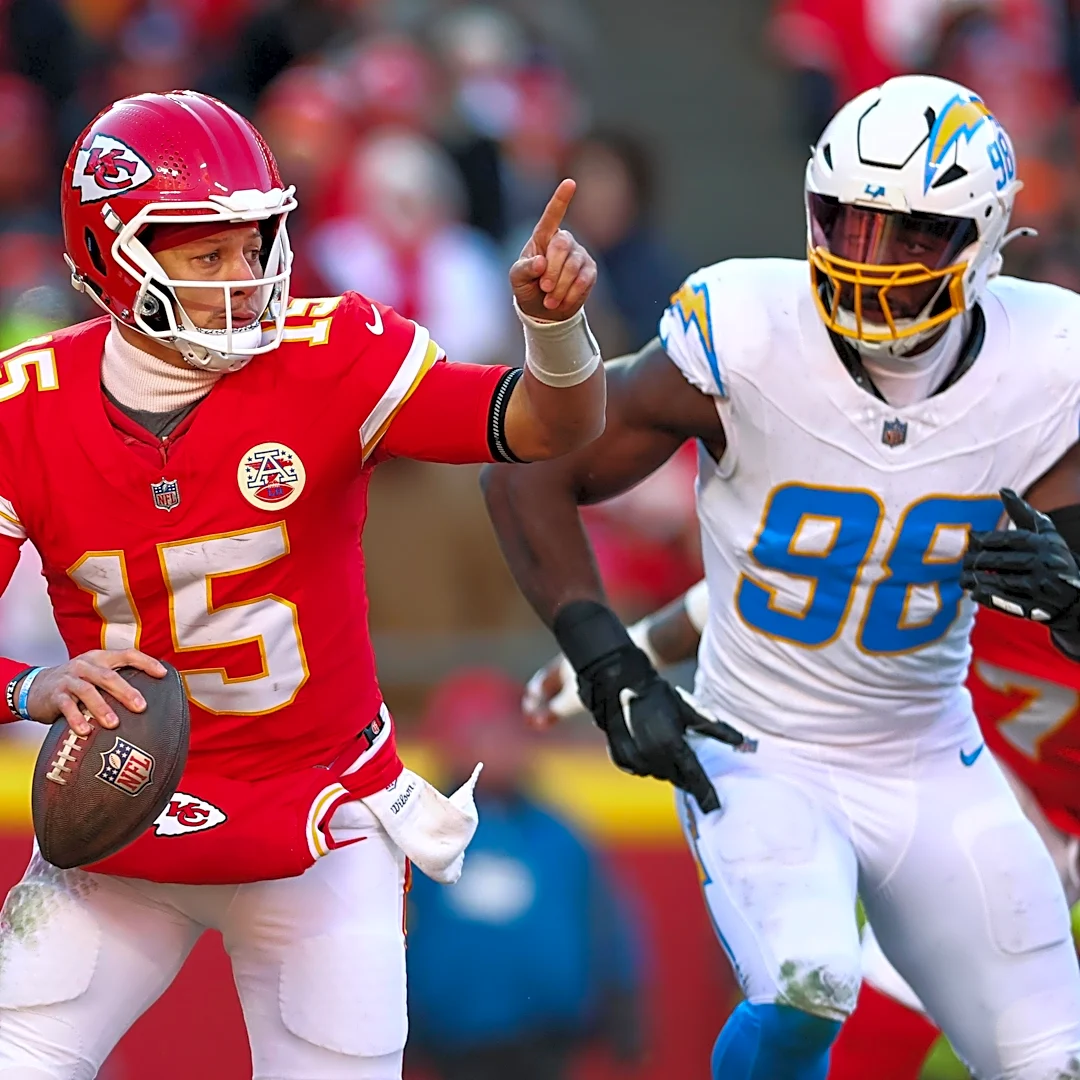
McConkey's potential absence for this week's tough matchup against the Kansas City Chiefs couldn't come at a worse time. The Chargers' wide receiver room is one of the most injured in the league. Fellow receivers Quentin Johnston (chest) and Tre' Harris (hamstring) are also dealing with their own ailments, leaving quarterback Justin Herbert with a skeleton crew of pass-catchers. In the short-term, McConkey's fantasy value is plummeting. He cannot be trusted in starting lineups until he logs multiple full practices and proves he is back to full strength. His absence solidifies the roles of any healthy receivers left standing, but the entire offense, which has struggled to score points, takes a major hit. The team has even worked out veteran free agents like JuJu Smith-Schuster, a clear sign of their desperation for healthy bodies.
The Long-Term Outlook: High Risk, High Reward
So, what about the rest of the season? This is where the decision-making gets tricky. Before the injury, McConkey was on his way to becoming a reliable target for Justin Herbert, with 12 catches for 183 yards and a touchdown in limited action. He was drafted in fantasy leagues based on the projection that he could command a significant target share in a potentially high-volume passing attack. That upside hasn't disappeared. If he can get fully healthy after the team's Week 7 bye, he could return to being a valuable WR2/3 for the second half of the fantasy season. The risk, however, is that foot injuries for receivers can linger, sapping the explosiveness that makes them special and leading to inconsistent production or further missed games.
Your Fantasy Playbook: Hold, Sell, or Buy Low?
Your strategy with McConkey should depend entirely on your team's current situation. If you're sitting comfortably with a winning record and have solid depth at wide receiver, holding McConkey on your bench is the right move. His potential payoff upon return is too high to simply drop, and trading him now would mean selling at the lowest possible point of his value. If your team is struggling and you need wins now, you might have to consider trading him for a less exciting but more reliable player who can contribute immediately. For those who don't have McConkey, now is the time to pounce. Float a 'buy-low' offer to the panicked McConkey manager in your league. Offer a dependable bench player you're not using. You could acquire a league-winning asset for a fraction of his true value if the injury gamble pays off down the stretch.