




The Makhachev System: A Masterclass in Control
To understand Islam Makhachev’s style is to understand the concept of inevitability. A product of the famed Dagestani Sambo system, Makhachev’s approach is built on a foundation of relentless pressure and positional dominance. His fights are not chaotic
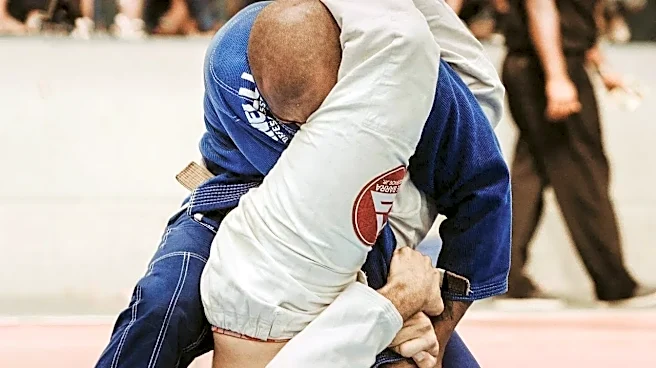
brawls; they are methodical deconstructions. Makhachev is a master of closing distance, often using a measured striking game to create openings for the clinch. From there, he excels at energy-efficient takedowns like trips and body locks, preferring them over explosive, high-risk shots. Once the fight hits the mat, his true artistry begins. He employs what is often described as suffocating top pressure, using his weight and control to exhaust opponents while gradually advancing his position. This isn't just about holding someone down; it's a physically and mentally draining process for his opposition, who find every attempt to escape thwarted. His submission game is patient and opportunistic, often capitalizing on the mistakes his opponents make out of desperation.
The Garry Method: Precision and Distance
If Makhachev’s game is about closing space, Ian Machado Garry’s is about mastering it. A tall, long-limbed welterweight, Garry uses his physical gifts to devastating effect. His entire style is predicated on controlling distance and dictating the pace from the outside. He operates behind a lightning-fast and accurate jab, using it not just to score points, but to disrupt his opponent's rhythm and set up more powerful combinations. His footwork is a critical component of his defense and offense; he is constantly circling, creating angles, and repositioning himself to stay just out of his opponent's range while keeping them in his. Garry is keenly aware of his vulnerabilities and anticipates common counters, using head movement and pivots to evade attacks before they land. This allows him to remain a difficult target to hit cleanly, frustrating fighters who try to pressure him. While known for his striking, Garry has a well-rounded game, but his primary path to victory lies in picking opponents apart from a distance where they can't effectively return fire.
Where the Fight Will Be Won and Lost
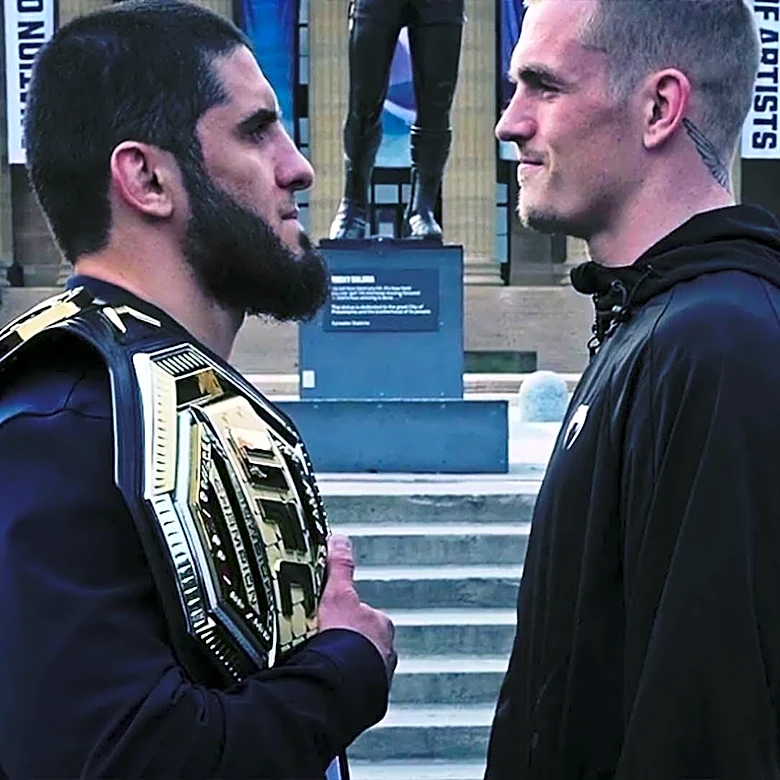
The central battle at UFC 330 will be a fight for position. For Garry, success means keeping the fight at range, where he can leverage his reach and footwork. He must use his jab, teep kicks, and constant movement to prevent Makhachev from ever getting a firm grip. The key will be punishing Makhachev every time he attempts to close the distance, perhaps with a well-timed uppercut or a check hook, to make the champion hesitant to shoot for a takedown. For Makhachev, the objective is the opposite. He must navigate Garry’s long-range weapons to initiate the clinch and drag the fight into his world. This is where his underrated striking and feints will be crucial, serving as a delivery system for his grappling. The question is whether he can absorb some damage on the way in to implement his game plan. Once on the ground, the dynamic shifts entirely in Makhachev’s favor. Garry's takedown defense, while improving, has never been tested by a grappler of this caliber.
The Championship X-Factors
Beyond the stylistic clash, several other factors will be at play. The five-round championship distance heavily favors Makhachev. His grinding, energy-sapping style is designed to wear opponents down over 25 minutes, while Garry has less experience in the later rounds of a high-paced fight. Furthermore, the mental pressure is immense. Makhachev is a defending champion, comfortable under the brightest lights and embodying a calm, risk-averse confidence. Garry, the ambitious challenger, must prove he can handle the magnitude of the moment against a pound-for-pound great. His ability to stay disciplined and stick to his game plan when faced with the relentless, suffocating presence of Makhachev will ultimately determine whether he leaves the octagon with the belt. It's a test of not only his physical skills but his mental fortitude.