





They Both Live in the Shadow of Giants
Both Milwaukee and the Tampa Bay area (which includes St. Petersburg, where the Rays play) exist just outside the orbit of a much larger, more dominant metropolis. For Milwaukee, the giant next door is Chicago, just 90 miles south. For decades, Milwaukee has
carved out its identity against the backdrop of the Windy City's massive economy and cultural gravity. Similarly, the Tampa Bay region is in a constant, if friendly, rivalry with Orlando and Miami for tourism, business, and statewide influence. This shared experience of being the 'other' major city has forged a resilient and distinct local pride in both areas, a sense of community that stands apart from their more famous neighbors.
Blue-Collar Roots, Modern Makeovers
At their core, both metro areas were built on foundations of industry and labor. Milwaukee's history is steeped in brewing and manufacturing, earning it a reputation as a hardworking, blue-collar town. The Tampa Bay area, particularly St. Petersburg and the surrounding port cities, has deep roots in shipping, trade, and phosphate mining. While those industries remain, both cities have undergone significant 21st-century transformations. Milwaukee has cultivated a vibrant downtown, a burgeoning tech scene, and a lakefront cultural renaissance. The Tampa Bay area has exploded as a hub for finance, healthcare, and legions of young professionals, blending its beach-town vibe with a fast-growing corporate sector. They are both cities that honor their gritty past while building a slicker, more modern future.
Relying on Architectural Marvels for Sports
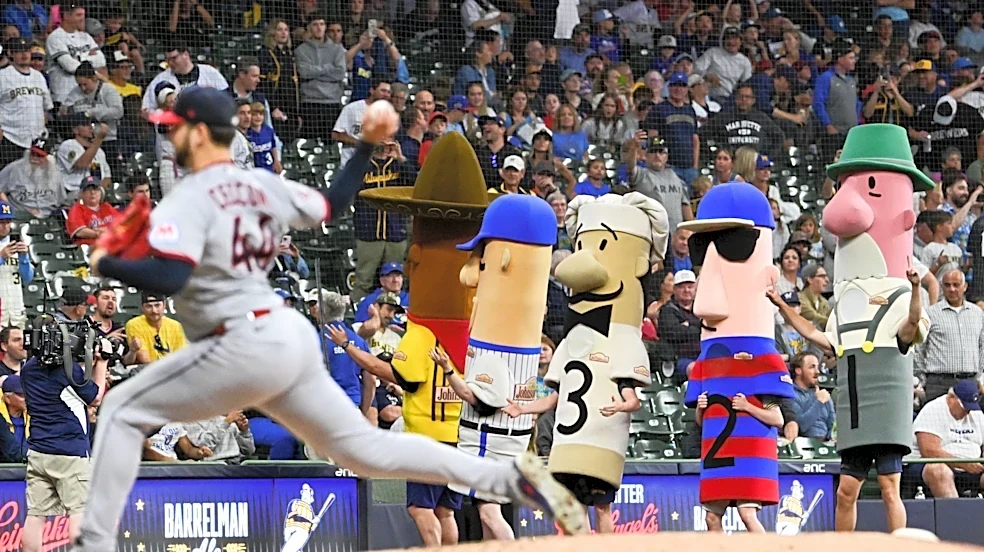
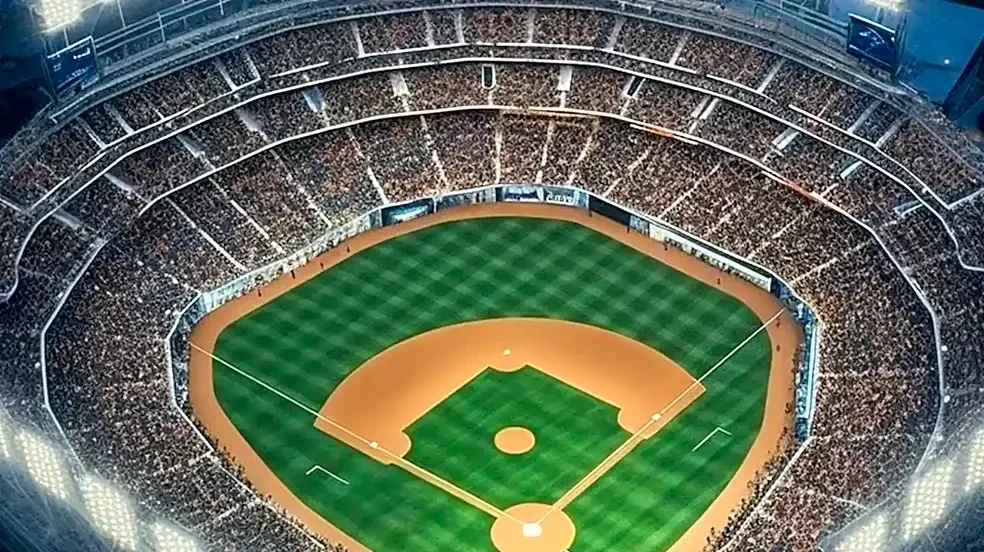
Forget windswept, open-air stadiums; this World Series will be contested entirely under a roof. Both the Brewers and the Rays play their home games in stadiums with retractable or fixed roofs. The Brewers' American Family Field in Milwaukee features a fan-shaped convertible roof, a signature piece of architecture that protects fans from Wisconsin's unpredictable autumn weather. The Rays' Tropicana Field in St. Petersburg is a permanent dome, making it immune to Florida's frequent thunderstorms. This marks the third World Series in history to be played entirely indoors or under a roof. While fans might debate the aesthetics, both teams owe their consistent gameday experience to these feats of engineering.
A Hunger for That First Big Win
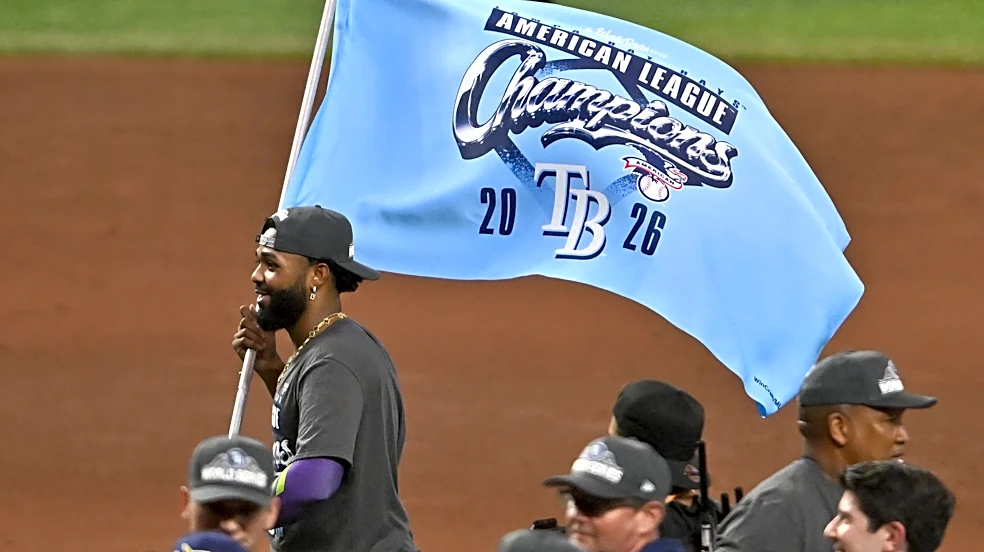
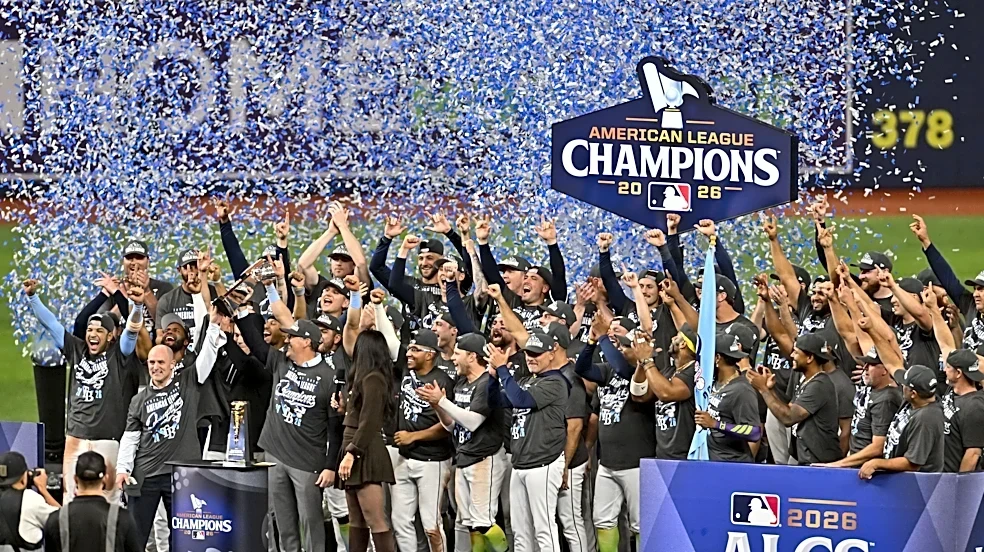
This is the most crucial parallel. Neither the Brewers nor the Rays have ever won a World Series. The Brewers' last appearance was a heartbreaking loss in 1982. The Rays have made it to the Fall Classic twice before, in 2008 and 2020, only to go home empty-handed both times. This creates a powerful, shared desperation and a massive sense of opportunity. The 2026 series is the first since 1980 to feature two teams both seeking their first-ever title. The fans in both Milwaukee and Tampa Bay share a unique, agonizing hunger that fanbases in New York, Boston, or Los Angeles can't quite understand. No matter who wins, history will be made, and a long-suffering fanbase will finally get to celebrate.