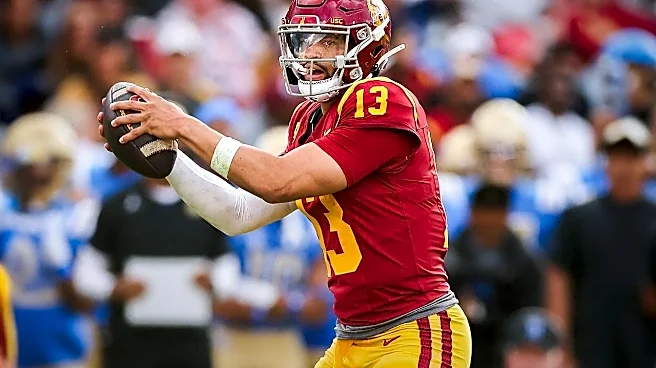









More Than Just a Game
Long before kickoff on Saturday, campus life orbits around the upcoming game. The week is filled with a building anticipation, from pep rallies to students coordinating to wear team colors. On game day, this culminates in the grand ritual of tailgating,
where parking lots transform into sprawling seas of tents, grills, and shared camaraderie. This pre-game celebration is often as important as the event itself, creating a massive social gathering that brings together students, faculty, and local residents in a festival of school spirit. It’s a welcome break from academic pressures and a powerful platform for socializing, where the shared excitement creates a tangible sense of pride that ripples across the entire campus community.
A Banner to Unite Under
Modern universities are vast and diverse, composed of students from countless backgrounds pursuing different fields of study. In such a potentially alienating environment, football provides a powerful, unifying force. It offers a single, collective identity that transcends majors, social circles, and personal beliefs. When thousands of people in a stadium cheer for the same team, they are no longer just individuals; they become part of something larger than themselves. This shared experience fosters a deep sense of belonging and community. For those few hours, everyone is united under one banner, creating bonds and a collective identity that can be difficult to replicate in any other aspect of university life.
The Ties That Bind Generations
College football serves as a vital bridge connecting current students with generations of alumni. Traditions, fight songs, and historic rivalries are passed down, creating a shared language that spans decades. Homecoming games become massive reunions, drawing graduates back to campus to reconnect with their alma mater and relive cherished memories. This powerful nostalgic connection is a cornerstone of alumni engagement, fostering loyalty long after graduation. Successful teams often see a corresponding increase in alumni donations and a stronger national profile for the university. In this way, football is not just a source of memories but a crucial element in maintaining a lifelong relationship between the university and its graduates.
The Engine of Campus Culture
While the passion and traditions are the most visible aspects, college football also serves as a significant economic engine for both the university and the surrounding town. A successful football program can generate substantial revenue from ticket sales, merchandise, and lucrative television contracts. This income often helps fund other, less profitable sports programs on campus, supporting a wide range of student-athletes. Beyond the athletic department, home games bring a massive influx of visitors who spend money at local hotels, restaurants, and shops, providing a vital boost to the local economy. This financial bedrock demonstrates how the impact of football extends far beyond the stadium, influencing the overall health and vibrancy of the entire university ecosystem.