



From Workhorse to Warning Sign
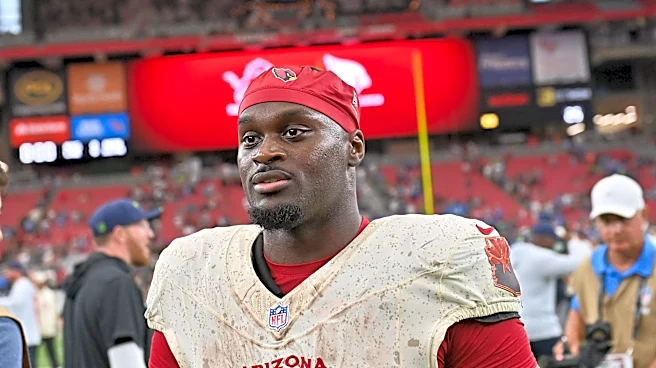
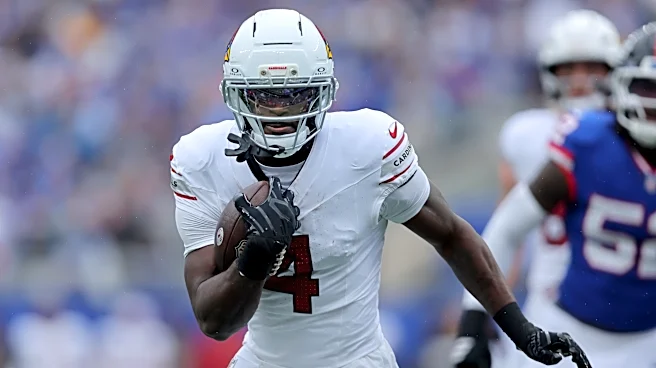
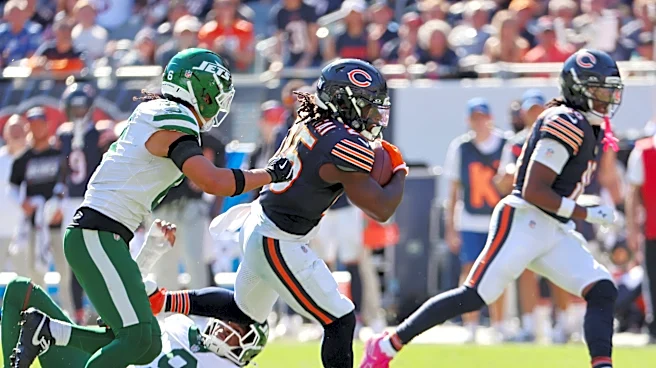
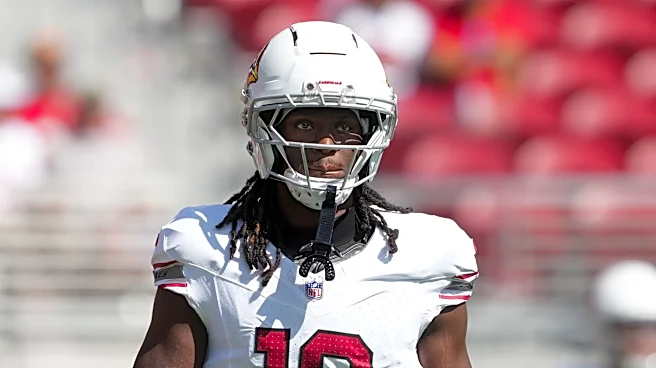
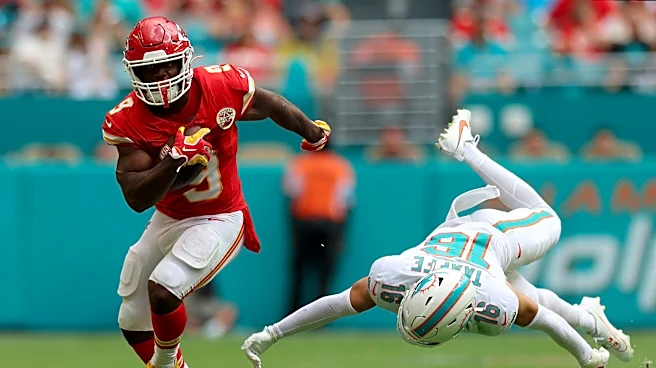
Just one week after dominating with a 63% snap share and 26 touches, Jeremiyah Love’s role in the Arizona Cardinals' offense shrank dramatically. In Week 4, his snap share plummeted to 46%, and his opportunities in the passing game fell off a cliff. While
a dip in production can happen, the most alarming development was where he was—and wasn't—on the field. The high-value touches that fantasy managers bank on simply vanished. This sudden reversal from a workhorse role to a committee member is the kind of trend that can derail a fantasy season if ignored.
The Tyler Allgeier Problem
The primary beneficiary of Love’s changing role was veteran running back Tyler Allgeier. While Love was the more productive runner between the 20s, Allgeier commanded the field when it mattered most. According to NextGen Stats, Allgeier saw 10 snaps in the red zone compared to just two for Love. Furthermore, Love was not on the field for any of the team's four downs from inside the 4-yard line. Coaches cited Allgeier’s superior pass protection as a reason for his presence on the final drive, but his re-emergence as the preferred goal-line option is a devastating blow to Love's fantasy ceiling. Touchdowns are the currency of fantasy football, and Love is suddenly being denied access to the bank.
More Than Just the Stats
Perhaps more concerning than the usage data are Love's own words. Following the Week 4 game, the rookie sounded frustrated and physically worn down. He told reporters his body is 'tired' and that the coaches are doing a 'great job of managing' him because this is the 'longest year of my life'. He even admitted he might tell coaches that Allgeier would be better suited for certain plays. While honesty is admirable, these are not the comments of a player ready to handle a 300-touch workload. They suggest the reduced role isn't just a one-week anomaly but potentially part of the team's plan to preserve their top rookie asset, who is also managing an ankle injury.
The Fantasy Verdict: What's the Move?
So, what should fantasy managers do? Panic-selling a player with Love’s talent and draft capital is rarely wise. His big-play ability means he can still deliver a solid fantasy day on limited touches. However, the foundational elements of an RB1 season—goal-line work and a dominant snap share—are now in serious doubt. Love has shifted from a must-start workhorse to a volatile, high-risk RB2. Managers in a position of strength could try to trade him now, capitalizing on the memory of his Week 3 explosion before his value potentially drops further. If you're holding, you must recalibrate expectations and understand that his path to elite production is now heavily compromised. He is no longer the set-and-forget player he appeared to be just a week ago.