




The Committee Has Taken Over
The era of the bell-cow back is fading fast. Most NFL teams now employ a running-back-by-committee (RBBC) approach, deploying specialized players for specific situations. This means the big-bodied, short-yardage specialist you drafted might only see a handful
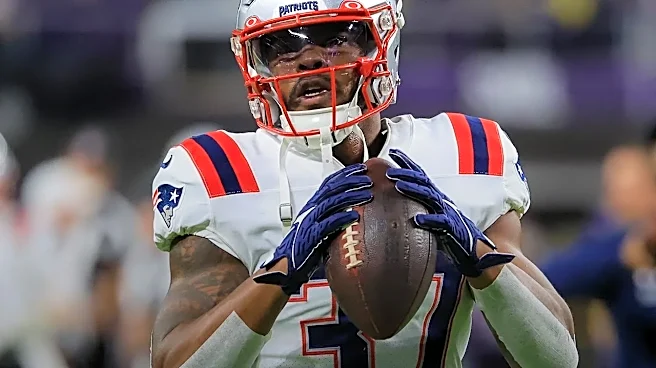
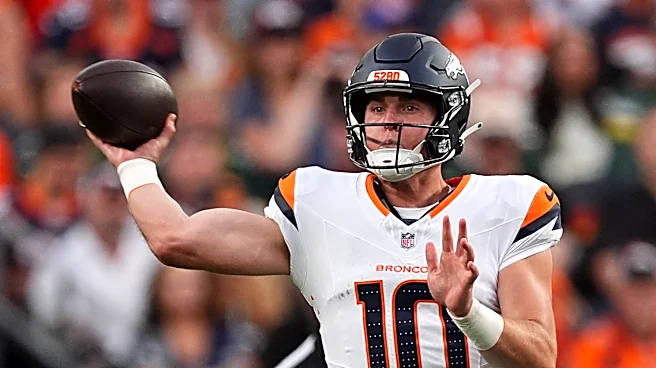
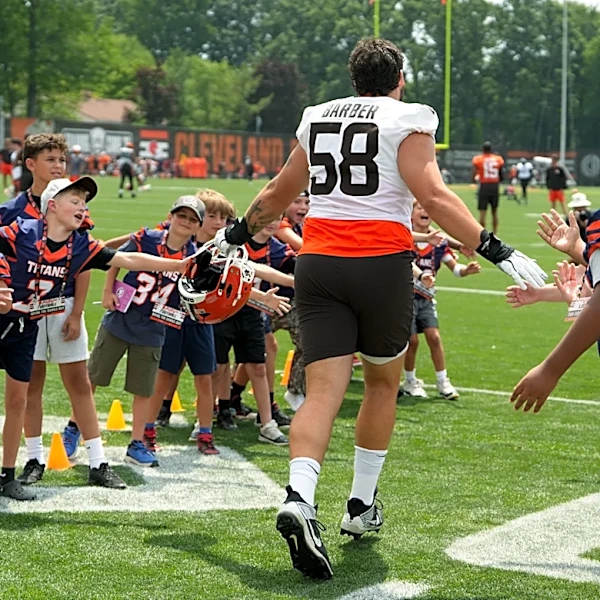
of touches per game. While he may punch in a one-yard score, his value is entirely dependent on that single play. If his team doesn't get to the goal line, or if they fall behind, his fantasy output can be disastrous. Recent analysis shows numerous backfields, like those in Washington, Denver, and New England, are expected to be committees, making it tough to project volume for any single back. A player who gets only eight carries a game needs a touchdown to be relevant, creating a boom-or-bust profile that is maddening to have in your lineup.
The Quarterback Poaches the Points
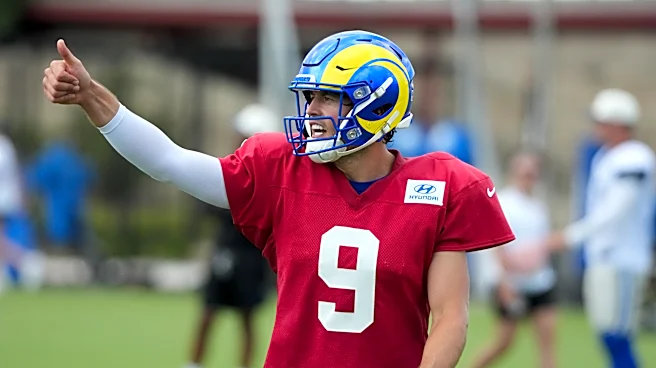
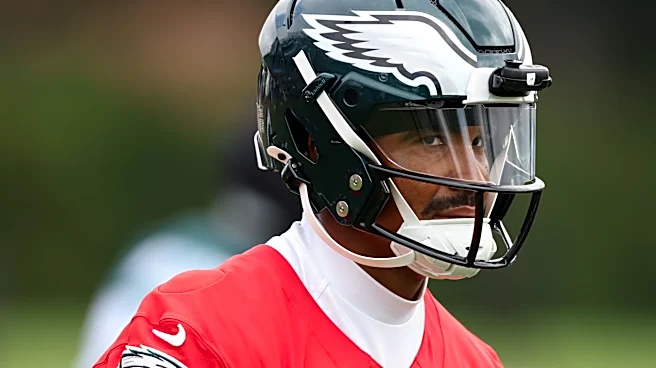
One of the biggest threats to the goal-line back isn't another running back—it's his own quarterback. With the rise of mobile quarterbacks and the league-wide adoption of plays like the QB sneak, signal-callers are stealing a significant number of high-leverage touches. Last season, quarterbacks like Josh Allen were major factors in the ground game, especially near the end zone. For example, data from the 2025 season shows Allen had 11 rushing touchdowns from inside the five-yard line, while Jalen Hurts has been a consistent touchdown-scorer from close range for years. When a coach has a quarterback who is effective at running the ball, they often become the default option in short-yardage situations, leaving the traditional power back watching from the sideline.
Game Script Is a Killer
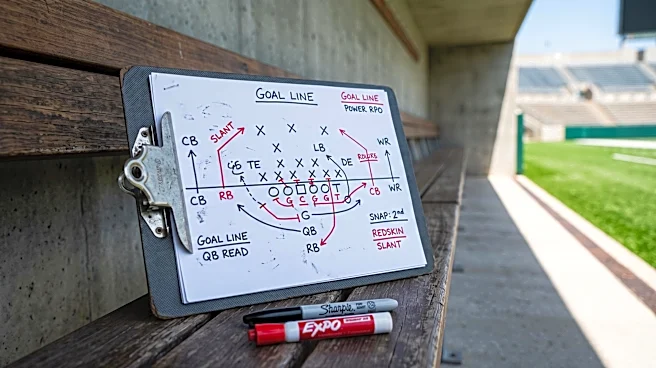
A goal-line specialist is highly dependent on a positive game script. For them to have value, their team needs to be competitive or, ideally, playing with a lead. This allows for a run-heavy approach, especially in the red zone. However, if their team falls behind by a couple of scores, the game plan often shifts dramatically. The team will abandon the run in favor of a pass-heavy, hurry-up offense. In these scenarios, the goal-line back is replaced by a pass-catching specialist who is better equipped for the two-minute drill. This fragility means your running back's fantasy production is tied directly to his team's performance, adding a layer of unpredictability that is tough to rely on for consistent fantasy scoring.
The Disappearing Yardage Floor
Perhaps the biggest risk in drafting a touchdown-dependent back is the lack of a safety net. Unlike three-down backs who contribute with significant rushing yards and receptions, these specialists offer very little between the 20-yard lines. A player who finishes a game with seven carries for 18 yards and no touchdown will sink your matchup. In point-per-reception (PPR) leagues, this is even more pronounced, as these backs are rarely targeted in the passing game. A back like Christian McCaffrey or Jahmyr Gibbs can have a productive fantasy day without scoring a touchdown because they accumulate points through catches and yardage. The goal-line specialist doesn't have that luxury. Their value is almost entirely tied to finding the end zone, making them one of the most volatile assets in fantasy football.