


The Anatomy of the Boom
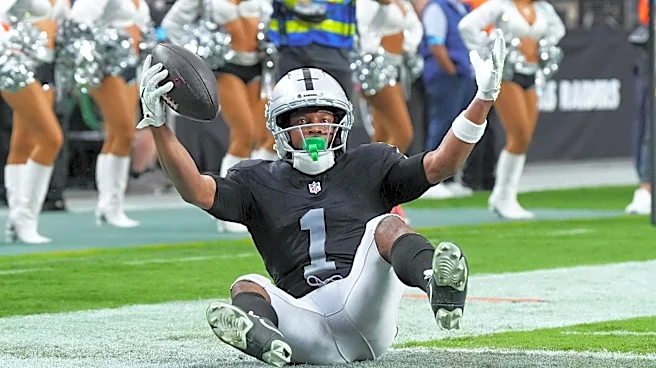
When Tre Tucker booms, he booms loud. We’ve seen it twice in a big way this season: a 119-yard, one-touchdown performance against the Chargers in Week 2, and back-to-back explosive games in Weeks 6 and 7. Against the Bills in Week 6, he turned seven targets
into five catches for 97 yards and two scores. The following week against the Rams, he led the team with 12 targets, catching five for 103 yards and another touchdown. These performances showcase his elite speed and big-play ability. Quarterback Kirk Cousins is clearly developing trust in him as a downfield threat, comparing his speed to that of players like DeSean Jackson. In an offense designed by Klint Kubiak, which values a field-stretching receiver, Tucker fills that role perfectly, averaging an impressive 16.3 yards per reception. When the Raiders fall behind, as they did against the Bills and Rams, Tucker becomes a primary target in comeback mode, racking up yards and fantasy points in a hurry.
The Frustration of the Bust
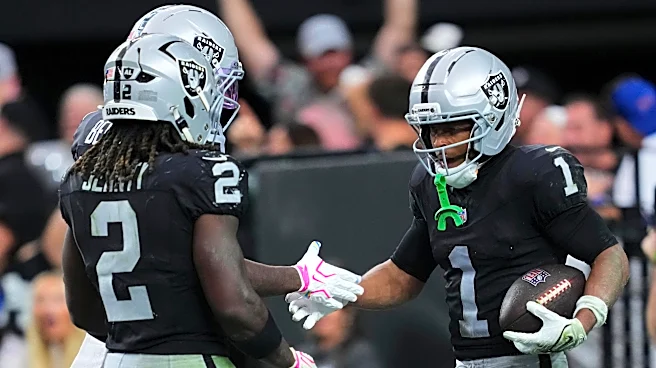
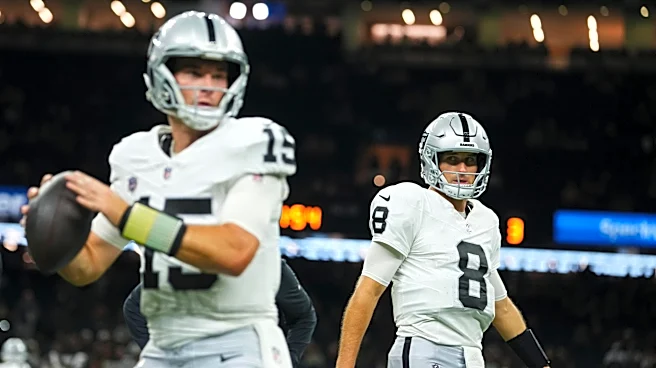
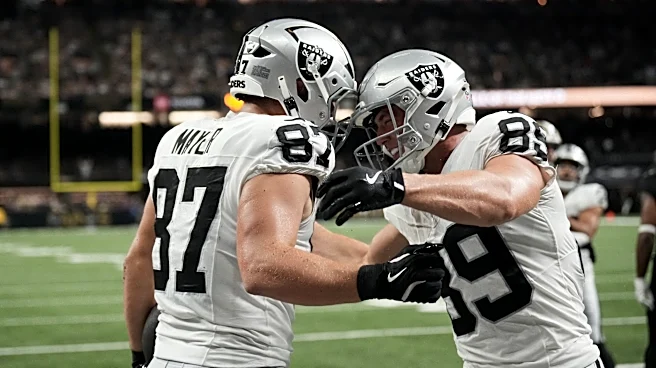
For every explosive week, there's a frustratingly quiet one. In the four games this season outside of his two major booms (before Week 7), Tucker averaged just under four catches for about 39 yards with no touchdowns. This is the bust factor that drives fantasy managers crazy. His production is heavily reliant on a few deep shots connecting rather than a steady diet of targets. While he's the Raiders' top wide receiver, the offense heavily features tight ends like Brock Bowers and Michael Mayer, as well as running back Ashton Jeanty in the passing game. In fact, four different pass-catchers for the Raiders average over five targets per game, capping Tucker's weekly ceiling when the big plays aren't there. His target share, at around 17%, is solid but not elite, meaning he isn't the undisputed focal point of the passing attack. This usage pattern makes him highly volatile and difficult to project on a week-to-week basis.
The Path to Consistency
So, what needs to change for Tucker to become a reliable fantasy starter? The answer lies in volume and variety. While his last two games have been phenomenal, much of that production came late in games where the Raiders were trailing significantly. For him to shed the boom-or-bust label, he needs to be a more integral part of the game plan from the opening drive. This involves more than just go-routes and deep posts. His route tree has reportedly developed, and seeing more intermediate targets would provide a much safer weekly floor. An increase in his red-zone usage would also be a major boost; he currently sees limited work inside the 20-yard line compared to other Raiders playmakers. The recent back-to-back productive outings, especially the team-high 12 targets in Week 7, are an encouraging sign that his role may be expanding beyond that of a pure deep threat.
The Fantasy Verdict for 2026
As of right now, Tre Tucker has not fully shed his boom-or-bust label, but he is making a compelling case. The explosive connection with Kirk Cousins is real, and the Raiders' struggling defense could lead to more pass-heavy, negative game scripts that benefit Tucker. His recent surge in production, with a combined 10 catches for 200 yards and three touchdowns in his last two games, has turned him from a waiver-wire flyer into a must-roster player. However, he's still best viewed as a high-upside WR3 or flex option rather than a set-and-forget WR2. You start him in matchups where you need to shoot for the moon or when you anticipate the Raiders will be playing from behind. His value is tied to those game-breaking plays, and while they've come in bunches recently, the quiet weeks are still a very real possibility given the target distribution in Las Vegas. He's an exciting player to own, but one that still requires careful management and a tolerance for risk.