


The Superflex Revolution
Not long ago, waiting on a quarterback was standard fantasy advice. Superflex formats, which allow a QB in a flex spot, have completely flipped that script. Because even a mid-range starting QB typically outscores a flex-worthy running back or wide receiver,
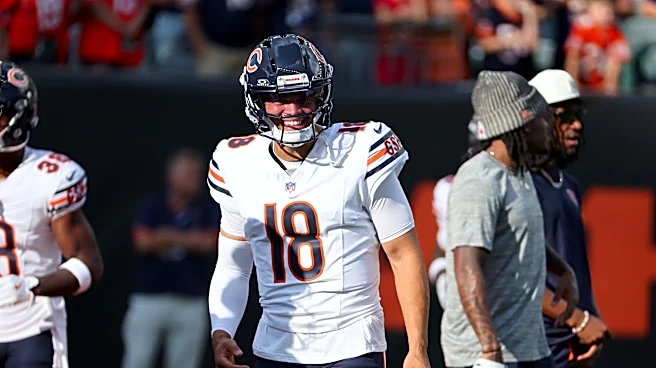
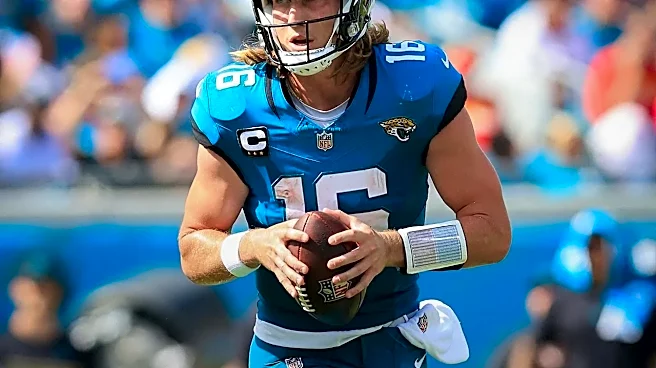
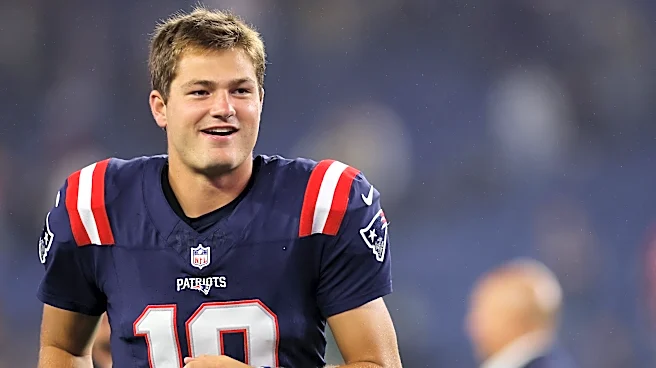
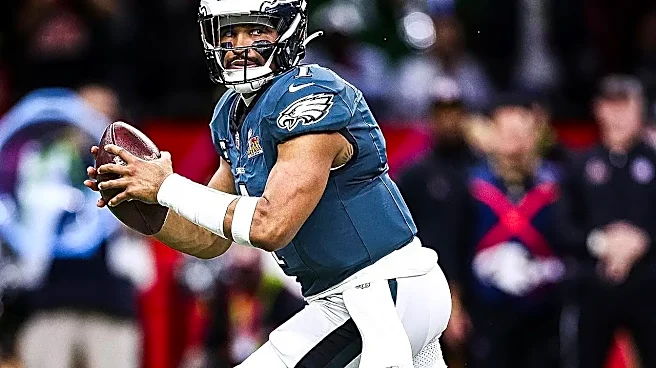
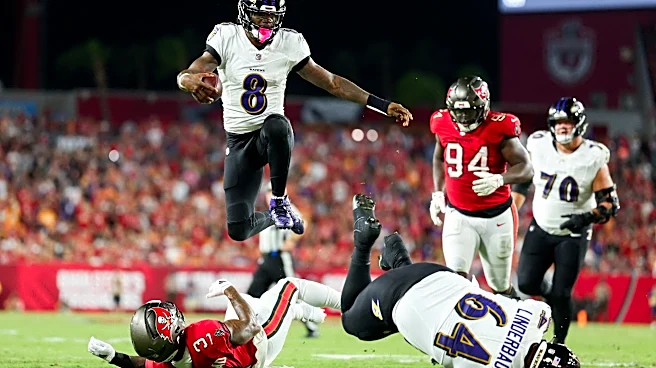
the position's value has skyrocketed. This creates a draft-day arms race. Suddenly, quarterbacks like Josh Allen, Lamar Jackson, and Joe Burrow are not just top assets, but foundational pillars that dictate roster construction. The decision is no longer if you should prioritize QBs, but how you should attack the position. Two dominant, opposing philosophies have emerged.
The 'Two-Headed Monster' Build
This is the fantasy equivalent of a shock-and-awe campaign: drafting two top-tier quarterbacks in the first few rounds. The appeal is obvious. A roster starting, for example, both Josh Allen and Joe Burrow creates a weekly scoring floor that is nearly impossible for opponents to match. In a format where the drop-off at QB is severe, securing two reliable, high-upside passers gives you a massive positional advantage every single week. However, this brute-force approach comes at a significant cost. Spending your premium draft capital on two players at the same position leaves your running back and wide receiver corps looking thin. This is the ultimate "Stars and Scrubs" build. You're betting that your quarterbacks are so dominant they can carry a roster of less-proven players at other spots. If one of your star QBs gets injured or underperforms, your entire high-risk structure can crumble.
The 'Balanced and Potent' Approach
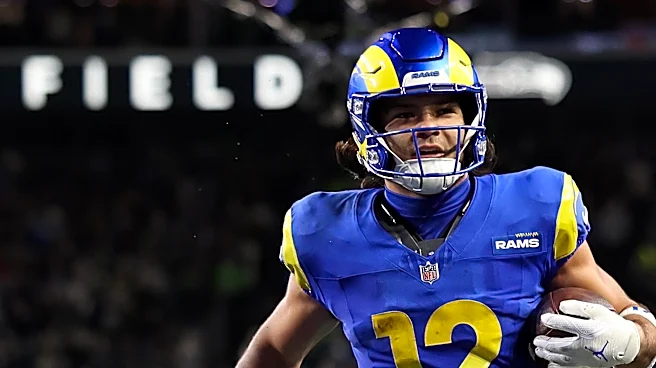
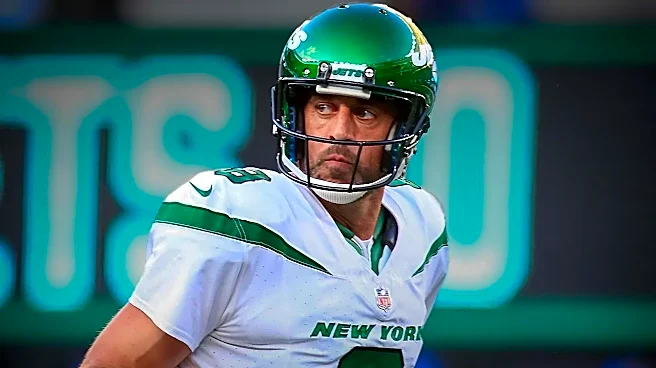
This strategy is about finding the sweet spot between firepower and stability. Here, you draft one certified elite quarterback in the early rounds—securing your anchor—and then pivot to drafting top-end talent at running back and wide receiver. Instead of forcing a second QB early, you wait, targeting a solid, second-tier quarterback (a QB2) in the middle rounds. The advantage is a far more balanced roster. While your league-mates are scrambling to find a usable WR2 after starting with two QBs, you might have a top-10 player at every starting position. The risk, of course, lies with that second quarterback. You're counting on finding value later in the draft, perhaps targeting a veteran like Matthew Stafford or an up-and-comer with upside. If that QB2 fails to deliver, you could be left with a weekly hole in your lineup that even your studs at other positions can't overcome.
So, Which Build Actually Wins?
The truth is, neither strategy is universally superior. The 'better' build depends entirely on your draft position, league size, and your opponents' tendencies. If you're drafting at the turn in a 12-team league and see a run on quarterbacks, grabbing two may be a defensive necessity. If you have an early pick and can land a true game-changer like Josh Allen, the balanced approach becomes more appealing, as you can still get a top-tier RB or WR when the draft snakes back around. The key is to remain flexible. Enter the draft with a preferred path but be prepared to pivot. If your league is overvaluing QBs and lets elite receivers slide, the balanced build is the smarter play. If they neglect the position, allowing a second top-8 QB to fall to you in the third round, pounce on the opportunity and build your two-headed monster. The goal isn't to force a strategy, but to exploit the value the draft presents.