


1. Scan for Last-Minute Injuries
This is the most critical final check. A player you're targeting in the third round might have pulled a hamstring in the final preseason practice. As of early September, several key situations are worth monitoring. Bears wide receiver Rome Odunze and
running back D'Andre Swift were both managing injuries during practice ahead of Week 1. Lions running back Isiah Pacheco is on injured reserve and will miss at least the first four games. Alvin Kamara of the Saints is also expected to miss time with an MCL injury. Green Bay's Josh Jacobs has been placed on the Commissioner's Exempt List, clouding his early-season availability. A quick scan of the latest news can help you avoid a catastrophic unforced error before your first pick is even in.
2. Re-Confirm Your Overall Draft Strategy
Are you committed to a "Hero RB" strategy, where you grab one elite running back early and then load up on other positions? Or are you leaning into the 2026 trend of starting with two running backs, given the perceived depth at wide receiver? Some analysts suggest that the real value lies in taking wide receivers early, as a pocket of quality running backs is available in rounds five through eight. There is no single correct answer, but you should have a firm idea of your preferred roster construction. Also, decide your approach to the quarterback and tight end positions. Many experts advise waiting on a quarterback this year, as quality starters can often be found in later rounds. Similarly, for tight ends, the strategy is often to either draft an elite one early or wait and punt the position entirely.
3. Review Average Draft Position (ADP) Tiers
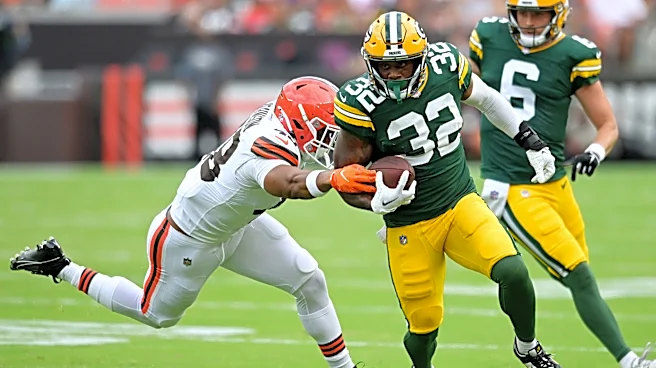
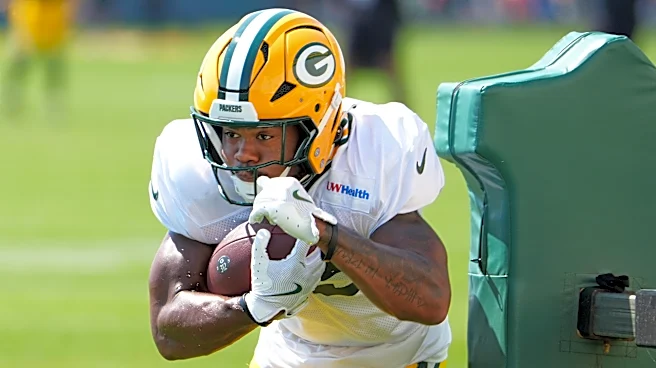
Your personal rankings are important, but knowing the market is essential for extracting value. Average Draft Position (ADP) tells you where players are generally being selected in drafts. Cross-reference your player tiers with the current ADP to identify potential bargains. For example, if you have a running back in your Tier 3 but see he's consistently being drafted 20 picks later, you can afford to wait and address another position first. Conversely, if a player you love is rising up draft boards, you may need to grab him a round earlier than you planned. As of early September, players like Texans receiver Kayshon Boutte and Packers running back MarShawn Lloyd have seen their ADPs rise due to injuries and depth chart changes on their respective teams.
4. Finalize Your Sleeper and Bust Lists
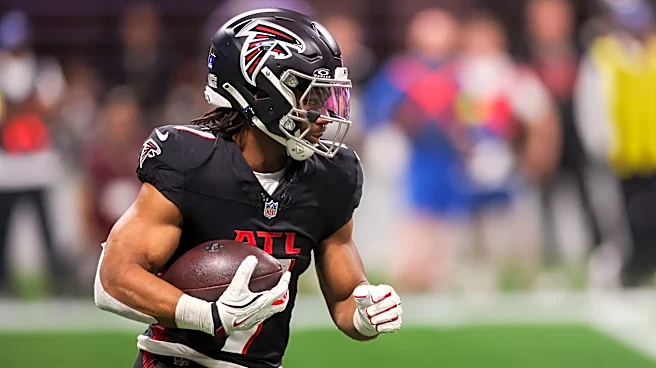
Every manager should have a short list of 'my guys'—late-round players with high upside that you want to target. These could be rookies in a position to earn snaps or veterans in a new, more favorable situation. Some potential late-round sleepers for 2026 include Cardinals quarterback Jacoby Brissett, Falcons rookie receiver Zachariah Branch, and Packers running back Chris Brooks. Just as important is your 'Do Not Draft' list. These are players you feel are being consistently overvalued, carry significant injury risk, or are in situations that cap their ceiling. Knowing who to avoid at their current cost is just as crucial as knowing who to target.
5. Check the Latest Depth Chart News
Training camp battles and preseason performance can cause last-minute shake-ups on the official 53-man rosters. A player you assumed was a starter might have been relegated to backup duties, crushing their fantasy value. For example, the Rams named Stetson Bennett their backup QB over rookie Ty Simpson, which solidifies Bennett's role as the primary handcuff to Matthew Stafford. In Kansas City, Emmett Johnson reportedly beat out Emari Demercado for the No. 2 running back job behind Kenneth Walker III, giving him immediate relevance in deeper leagues. These small shifts can create unexpected opportunities and risks, and a final check of the official team depth charts is a smart move.