

The Pageantry Is Half the Show
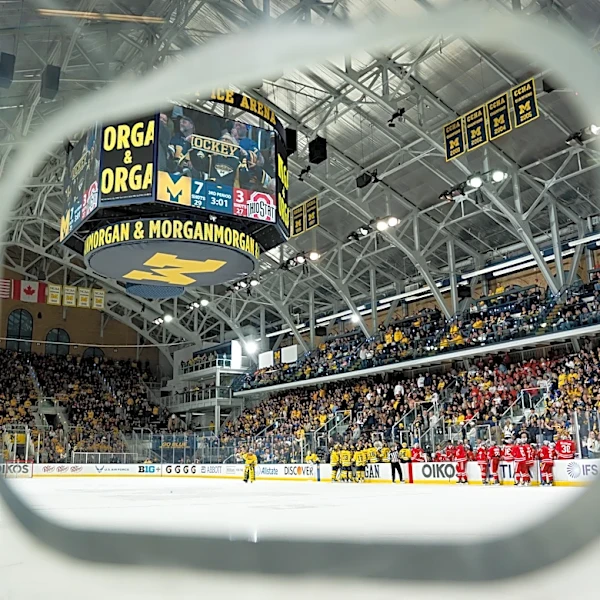
In professional sports, the game is the main event. In college football, the game is the climax of an all-day festival. The experience begins hours before kickoff with massive tailgate parties that can feel more elaborate than the game itself. Then there’s
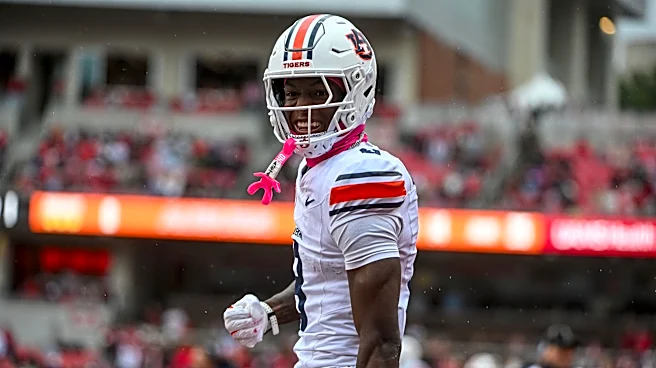
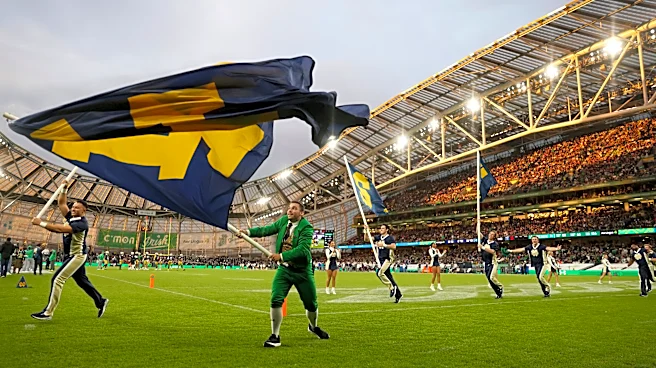
the pageantry inside the stadium: the thunderous roar of marching bands, the synchronized student sections, and the unique, time-honored traditions that define each school. Think of Ohio State's band “dotting the i,” Virginia Tech entering the stadium to Metallica’s “Enter Sandman,” or Auburn fans “rolling” Toomer’s Corner with toilet paper after a victory. It’s a sensory overload that makes the game feel like a cultural event, not just a sporting contest.
Every Regular Season Game Is an Elimination Game
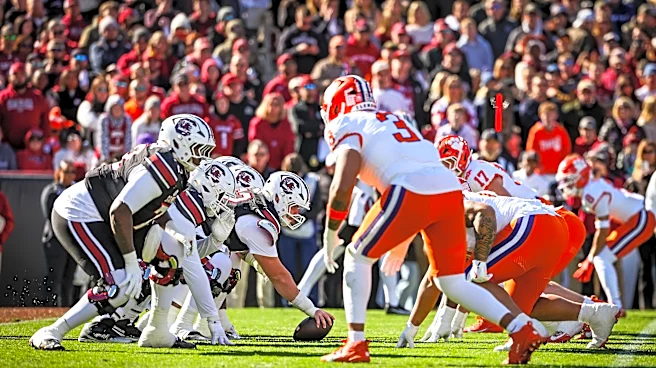
In the NFL, NBA, or MLB, teams can lose a dozen games and still make a run for the championship. In college football, the stakes are brutally high from week one. With a short 12-game regular season, a single loss can derail a team's national championship hopes. This creates a sense of urgency and desperation that professional sports can't replicate until the playoffs. There is no coasting. Every Saturday matters, and an upset in September is just as consequential as a showdown in November. This unforgiving structure turns every major matchup into a high-stakes drama where a season's worth of dreams can evaporate in a single afternoon.
Rivalries That Are About More Than a Game
Professional rivalries are intense, but college rivalries are personal and generational. They are often rooted in geography, history, and cultural identity that transcends football. Games like the “Iron Bowl” between Alabama and Auburn or “The Game” between Ohio State and Michigan divide states and households. Fandom isn't just a choice; for many, it's a birthright passed down through families. These aren't just competitions for a better draft pick; they are year-long battles for bragging rights, where the outcome dictates the mood of entire towns and cities for the next 365 days.
The Sheer Scale Is Mind-Boggling
College football operates on a scale that often dwarfs its professional counterpart. The sport features over 130 teams in its top division alone, compared to the NFL's 32. College stadiums are frequently larger and louder than NFL venues, with several holding over 100,000 fans. The fanbases are not just alumni; they are entire communities and states. For many towns, especially in the South and Midwest, the local university's football team is the biggest show around, serving as the primary source of identity and pride in a way no professional franchise ever could.
The Wild West of 'Amateurism'
For decades, the defining difference was amateurism—the student-athletes weren't paid. That era is over, but what has replaced it is uniquely chaotic. The introduction of Name, Image, and Likeness (NIL) rules allows players to earn money from endorsements and sponsorships, effectively creating a semi-professional model. Unlike the structured contracts of pro sports, NIL operates in a largely unregulated space of booster-led “collectives” and individual brand deals. This has transformed recruiting into a new frontier, where players weigh financial opportunities alongside traditional factors, creating a dynamic and unpredictable talent market unlike any other in sports.