
A Brutal Combination of Heat and Humidity
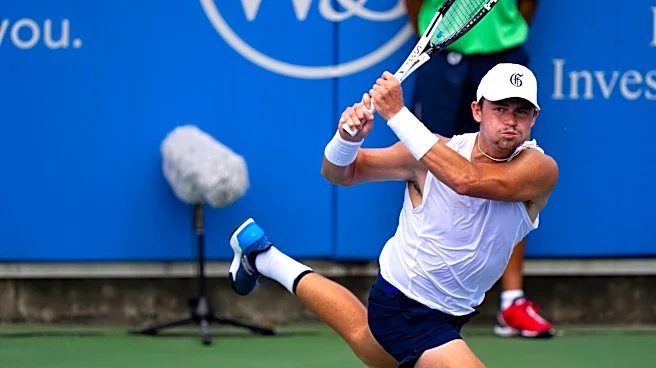
Ask any player about Cincinnati, and the first thing they'll likely mention is the weather. Held in mid-August in Mason, Ohio, the tournament is notorious for its oppressive heat and humidity. These aren't just uncomfortable conditions; they're a strategic
variable. The humidity makes the air heavy, which can make balls feel sluggish, yet the heat often makes the court play faster. This contradictory effect requires constant adjustment. More importantly, the physical toll is immense. Players are often drenched in sweat minutes into a match, battling dehydration and fatigue in long, punishing rallies. The conditions can sap energy reserves faster than almost any other event on tour, making endurance as critical as a powerful forehand. Recent years have seen qualifying rounds and matches interrupted by severe rain and storms, adding another layer of unpredictability to scheduling and player preparation.
The Lightning-Fast Hard Courts
The Lindner Family Tennis Center courts are famous—or infamous—for their speed. Historically, Cincinnati has featured some of the quickest hard courts on the ATP Tour, a surface that rewards aggressive, first-strike tennis. Big servers and players who take the ball early thrive here, while those who rely on longer, defensive rallies can find themselves rushed and unable to set up their points. There's simply less time to react. While court speeds can vary slightly year to year, the fundamental character of the tournament remains: it's a high-speed chase where a moment's hesitation can cost you a set. This favors players with explosive power and pinpoint precision, forcing everyone to play on the front foot and leaving very little margin for error.
The Unforgiving Calendar Slot
Timing is everything, and Cincinnati's position on the calendar is a crucial factor in its difficulty. As the last major Masters 1000 event before the US Open, the stakes are incredibly high. Players aren't just competing for a prestigious title; they're making their final preparations for the year's last Grand Slam. This creates a complex set of pressures. Some are nursing injuries and trying to get healthy, while others are desperately seeking match play to find their rhythm. A deep run in Cincinnati can build tremendous confidence, but it can also lead to burnout just a week before New York. Conversely, an early exit means less-than-ideal preparation. It's a delicate balancing act between peaking at the right time and preserving energy for the two-week marathon ahead.
A Gauntlet of Top-Tier Talent
As a mandatory Masters 1000 event, the Cincinnati Open boasts a draw that's as deep and challenging as any tournament outside of the Grand Slams. With an expanded 96-player field, the world's best descend on Ohio, meaning there are no easy opening rounds. From the get-go, top seeds can find themselves facing dangerous, unseeded floaters or fellow top-20 players. Unlike smaller tournaments where top players might ease into the competition, Cincinnati demands peak performance from the very first ball. This relentless level of competition, combined with the harsh conditions and high stakes, creates a pressure-cooker environment where only the most resilient and versatile players can survive the week.
The So-Called 'Cincinnati-New York Curse'
For years, a narrative persisted that winning in Cincinnati was a bad omen for the US Open. The theory was that the physical and emotional toll of conquering such a demanding event left champions with little left in the tank for New York. While this has been debunked in recent years, the challenge of the "Cincy-US Open double" remains one of the toughest feats in tennis. Only nine men in the Open Era have won both titles in the same season, a list that includes legends like Roger Federer, Rafael Nadal, and Novak Djokovic. More recent champions like Djokovic (2023) and Jannik Sinner (2024) have proven it can be done, but the rarity of the achievement underscores the immense difficulty of peaking for two consecutive, high-stakes events under such grueling conditions.