
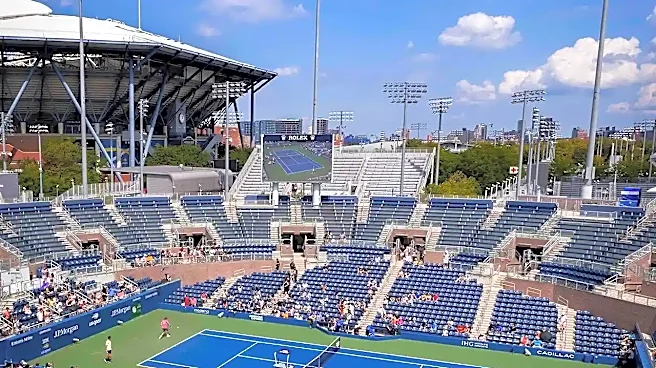
An Electric Atmosphere Unlike Any Other
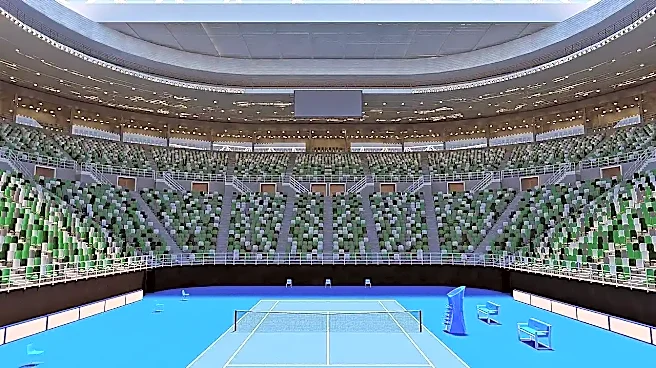
More than anything, the US Open is defined by its sound and its setting. Held in New York City, the tournament absorbs the city's relentless energy. Arthur Ashe Stadium, the largest tennis-specific venue in the world, can hold nearly 24,000 people, and the crowd
is famously vocal. Unlike the polite applause at Wimbledon, the New York audience cheers during rallies, gasps at unforced errors, and creates a soundscape often described as electric or even chaotic. This atmosphere is most potent during the tournament's signature night sessions. Introduced in 1975, these prime-time matches under the lights turn the sport into a full-blown spectacle, feeling more like a heavyweight fight or a rock concert than a staid tennis match. It’s a loud, late-night party, and it’s a core part of the event's identity.
A History of Breaking the Mold
While steeped in history dating back to 1881, the US Open has always been the Grand Slam most willing to innovate. It was the first of the four majors to use a tiebreak to decide sets, implementing it in 1970 to add drama and shorten matches for television. Most significantly, in 1973, it became the first major sporting event in history to offer equal prize money to its male and female champions. This landmark decision, spurred by the advocacy of Billie Jean King who threatened a boycott, set a precedent that would take the other Slams decades to follow. King, who had received $15,000 less than her male counterpart for winning in 1972, secured the change that saw both champions earn $25,000 the following year. This cemented the tournament's reputation as the most progressive and commercially minded of the majors.
The Great Equalizer: Hard Courts
The US Open is the only Grand Slam to have been played on three different surfaces: grass, clay, and hard court. It began on grass, switched to clay for a brief period in the mid-1970s, and finally settled on hard courts when it moved to its current home in Flushing Meadows in 1978. This surface is the great neutral ground in tennis. It doesn't favor the serve-and-volley specialists of grass or the defensive grinders of clay. The true and reliable bounce of the acrylic hard court rewards all-around excellence, aggressive baseline play, and powerful shot-making. It’s a democratic surface that asks one question of every player: who is the best, period? This often leads to unpredictable matches and allows a wider variety of playing styles to succeed, contributing to the tournament's thrilling and often volatile nature.
The Ultimate Theater of Dreams
The combination of the massive stage, the intense pressure, and the demanding courts has produced some of the most memorable moments in tennis history. It's the place where Arthur Ashe, a graceful agent of social change, became the first African American man to win the title in 1968, the same year the tournament officially became “Open” to professionals. It’s where a 19-year-old Pete Sampras announced his arrival by becoming the youngest men's champion. It’s the stage for epic rivalries, like Andre Agassi versus Sampras, and the site of Serena Williams' first Grand Slam victory and her emotional farewell tour. The raw, unfiltered environment seems to amplify drama, making heroes out of underdogs and testing the composure of even the most seasoned champions.