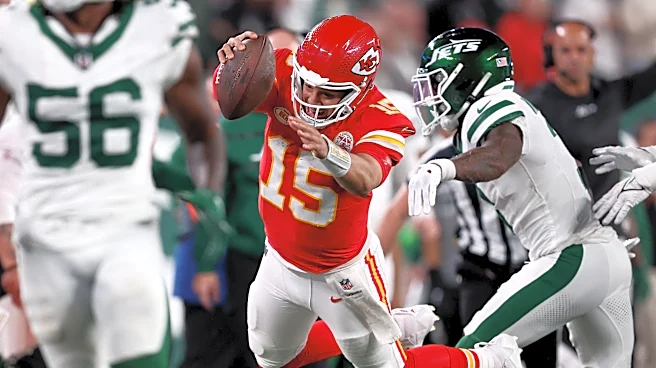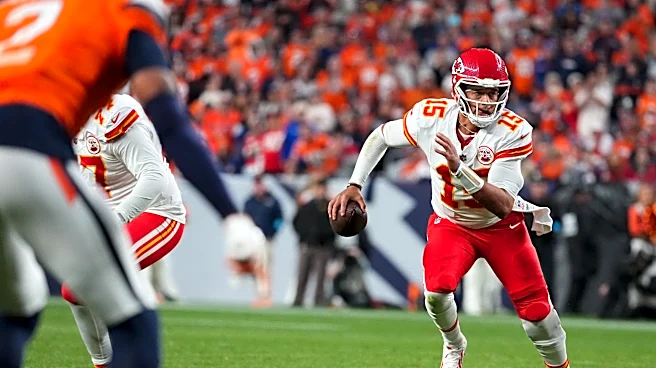





Stopping Patrick Mahomes isn’t just hard; it’s a category of problem all its own. But as the Jets head to Arrowhead, they possess a rare collection of defensive talent uniquely suited for the job. Here's the blueprint they must follow.
Stop the Run, Earn the Right to Rush
Before you can even
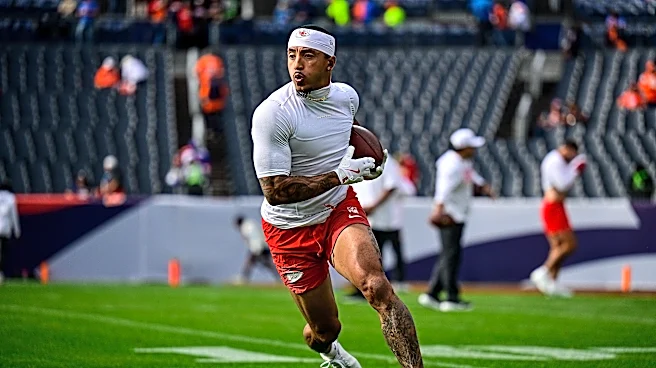
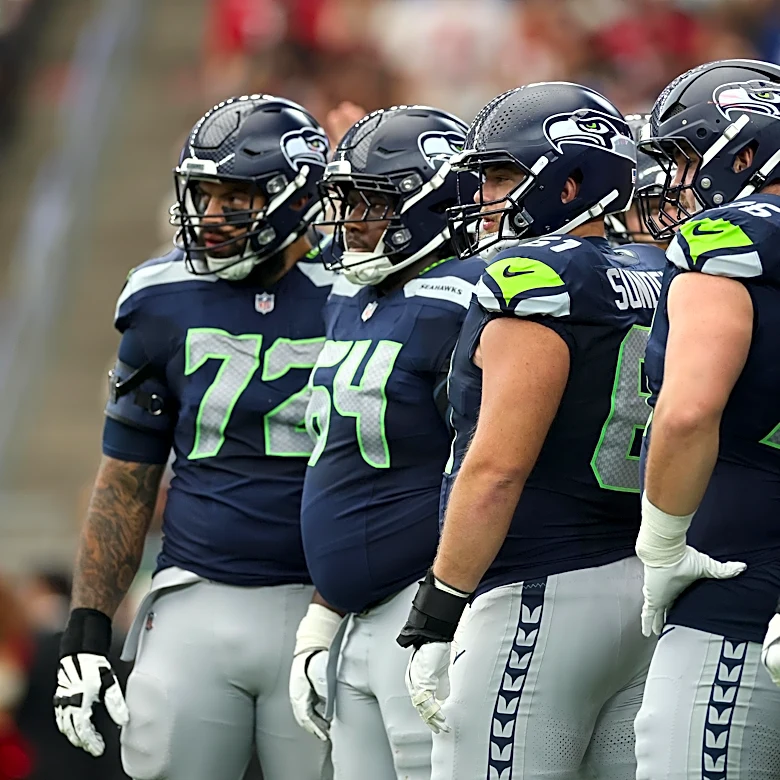
think about Mahomes, you have to handle his support system. The Chiefs have leaned heavily on running back Kenneth Walker III, who has been electric this season with 770 rushing yards and six touchdowns. Walker’s ability to gash defenses for big gains sets up the play-action passes where Mahomes is deadliest. The Jets' run defense, which ranks 21st in the league, must be better than its statistics suggest. New York invested heavily in interior linemen like David Onyemata and T'Vondre Sweat to clog running lanes. If they can contain Walker on first and second down, it forces Kansas City into predictable passing situations. That allows the Jets' pass rushers to focus on one thing: getting to the quarterback.
Generate Pressure Without Blitzing
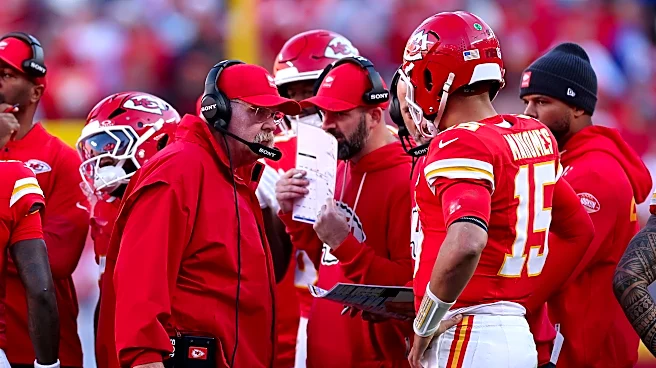
Blitzing Patrick Mahomes can be suicide. He's proven adept at dissecting extra pressure, as he did recently against Denver when he threw three touchdowns against the blitz. The Jets' best path to disruption is relying on their front four to generate pressure organically. The defensive line, which has a high sack rate this season, has the talent to do it. With second-overall pick David Bailey showing flashes and a solid rotation of edge rushers, the goal is to collapse the pocket and make Mahomes uncomfortable without vacating the secondary. In his few career losses, opposing teams have averaged over two sacks per game, a significant jump from the one sack per game they average in his wins. Forcing Mahomes to speed up his process or escape into chaos is the only way to prevent him from methodically picking them apart.
Bracket Travis Kelce, Especially in the Red Zone
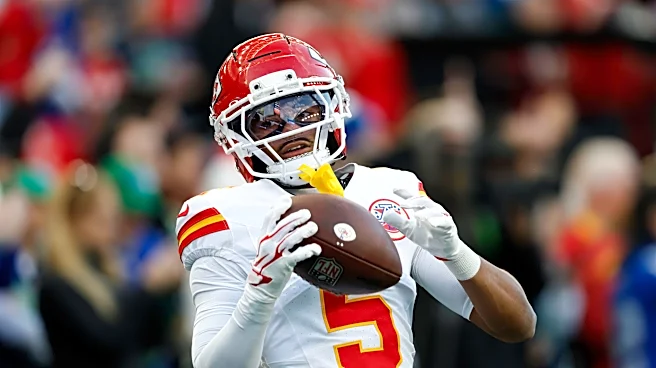
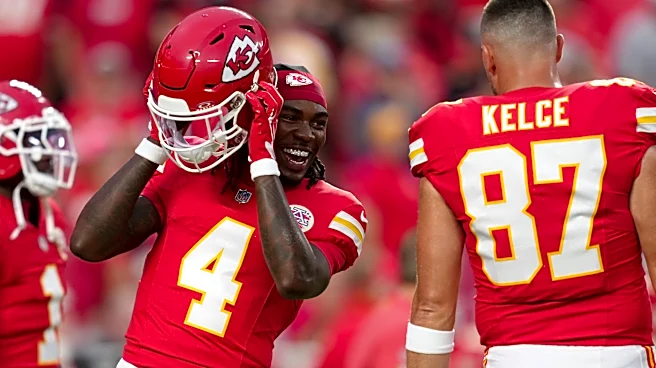
It's the oldest rule in the book when playing the Chiefs: don't let Travis Kelce beat you. This season, Kelce looks rejuvenated, running smoother routes and getting easier completions. The Chiefs offense has shifted to using more multiple-tight end sets, making it even more critical to track Kelce everywhere he goes. He remains Mahomes' ultimate safety blanket on third down and a nightmare in the red zone. The Jets' pass defense has struggled against tight ends at times, but they have the personnel with their safeties and athletic linebackers to dedicate extra attention to him. This means 'bracketing' him—placing a defender in front and behind him—to take away the easy throws and force Mahomes to look elsewhere. Slowing Kelce’s release at the line of scrimmage is a must.
Play Disciplined 'Plaster' Coverage
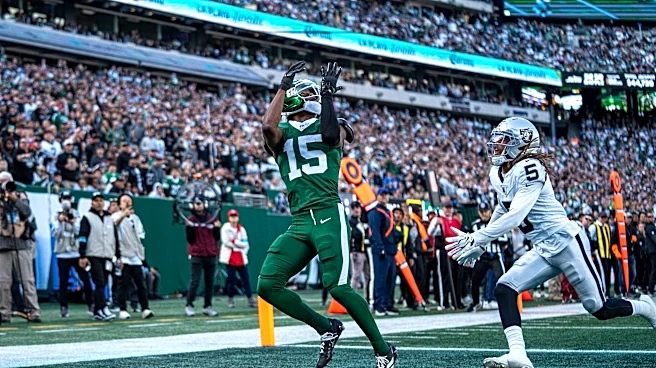
Mahomes creates magic when plays break down. He can extend plays for six, seven, or eight seconds, waiting for a receiver to break free from his original route. The Jets' secondary, led by star corner Sauce Gardner, has to remain disciplined and 'plaster' their receivers for the entire play, not just the first three seconds. This philosophy of 'doing right longer' is crucial. While Gardner is an elite talent, teams have often tried to use formations to move their top targets away from him. That means the entire secondary has to be on high alert. The Jets pass defense ranks a respectable 11th in the league and is 5th against the pass in terms of yardage, but they'll face their toughest test against an offense full of speed. Limiting yards after the catch and preventing the explosive, off-script plays will be paramount.
Control the Clock and Keep Mahomes Sidelined
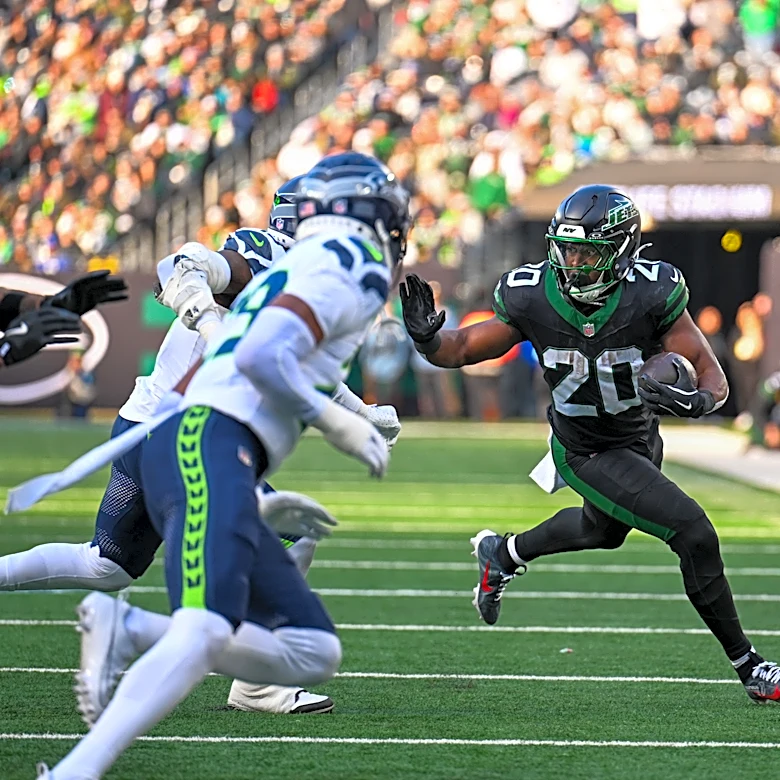
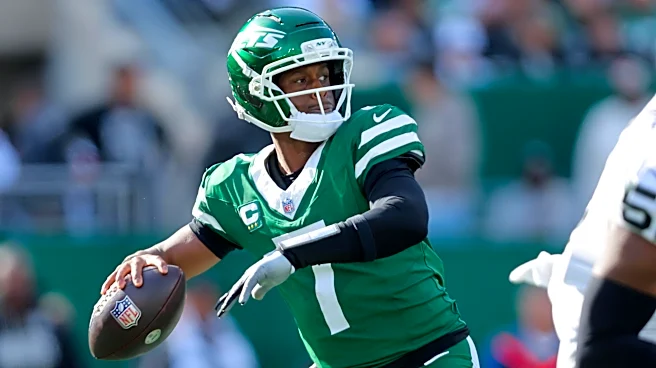
Perhaps the most effective defense against Patrick Mahomes is simply keeping him off the field. The Jets' offense, led by quarterback Geno Smith, has shown signs of life, scoring effectively in recent weeks. To pull off an upset at Arrowhead, they need to sustain long, clock-chewing drives. This starts with a commitment to the running game with Braelon Allen and controlling the line of scrimmage. Every long drive that ends in a score for the Jets serves two purposes: it puts points on the board and it keeps number 15 in a helmet on the Kansas City bench. For a 2-6 team playing a 5-2 contender on the road, winning the time of possession battle isn't just a strategy—it's a lifeline.