







More Than a Game
To understand the 1932 World Series, you have to understand the times. America was deep in the Great Depression, and baseball was a welcome distraction. The New York Yankees were a powerhouse, a dynasty of future Hall of Famers. The Chicago Cubs were gritty
contenders. But this series wasn't just about baseball; it was personal. The tension began before a single pitch was thrown, ignited by the Cubs' perceived mistreatment of former Yankee shortstop Mark Koenig. After being acquired late in the season and helping Chicago win the pennant, Koenig was voted only a half-share of the playoff money by his new teammates. The Yankees, many of whom were Koenig's friends, were enraged by the slight, publicly branding the Cubs as cheapskates and setting the stage for a bitter, grudge-filled contest.
The Shot Heard 'Round the World
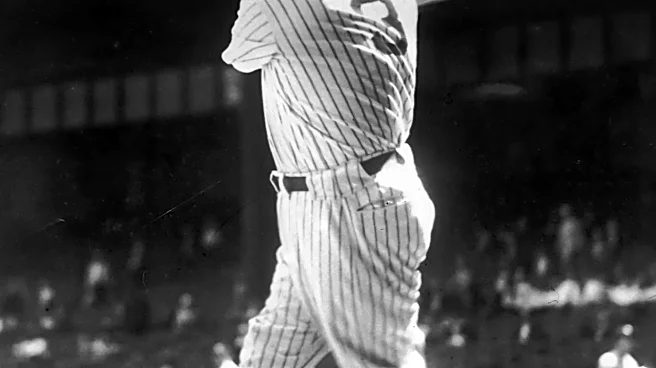
The series' boiling point arrived in Game 3 at Chicago's Wrigley Field. The score was tied 4-4 in the fifth inning when Babe Ruth, the larger-than-life icon of the sport, stepped to the plate. The Cubs dugout and the local fans had been heckling him mercilessly. After taking a couple of strikes from pitcher Charlie Root, Ruth made a gesture. What that gesture meant remains the most hotly debated topic in baseball folklore. Did he point toward the center-field bleachers, brazenly predicting the location of his next home run? Or was he simply gesturing at the pitcher or the chirping Cubs bench? No one knows for sure. What is known is that on the very next pitch, Ruth launched a monstrous home run to the deepest part of center field, right where the legend says he pointed.
The Birth of a Modern Myth
Whether Ruth actually intended to call his shot is almost irrelevant. The story took on a life of its own, thanks in large part to a sportswriter who framed it as a called shot, borrowing a term from billiards. Ruth, a master showman, never outright denied it, enjoying the mythology that grew around the moment. Newsreel footage is inconclusive, showing a gesture but not its clear intent, which only fueled the debate. In the decades since, players, fans, and historians have argued about what really happened. Eyewitness accounts conflict, and even Ruth's own teammates gave differing stories over the years. This ambiguity is the story's power. It transformed a simple home run into a legend, a testament to Ruth's mythic status and his ability to deliver a dramatic performance under maximum pressure.
Why It Still Echoes Today
The 1932 World Series, which the Yankees swept in four games, matters because it perfectly illustrates the power of narrative in sports. The "called shot" is a foundational myth of American athletics, the ultimate example of a superstar athlete backing up immense confidence with a legendary feat. It was one of the first truly viral sports moments, its story spreading by newspaper and word-of-mouth long before the age of instant replay. The series serves as a reminder that sports are more than just wins and losses; they are about storytelling. The animosity, the larger-than-life characters, and that one, unforgettable, maybe-he-did-maybe-he-didn't gesture created a perfect storm of drama that solidified Babe Ruth's legend and set a template for how we mythologize our sports heroes to this day.