




An Old-School Track with a Modern Twist
Nestled in the coastal sand dunes just a 30-minute train ride from Amsterdam, Circuit Zandvoort is a relic from another era of motorsport. First opened in 1948, its layout is narrow, bumpy, and unforgiving—a true driver's challenge that swoops and flows
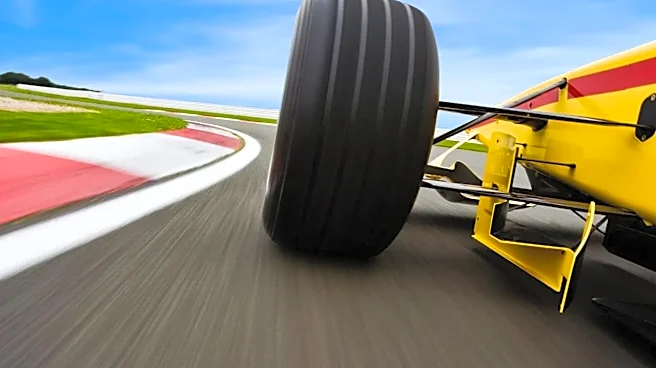
like a rollercoaster. After a 36-year absence from the F1 calendar, the track returned in 2021 with significant upgrades. Most notable are its spectacular banked corners, particularly the final Arie Luyendykbocht, which features an 18-degree incline—steeper than the turns at the Indianapolis Motor Speedway. This feature allows drivers to take different lines and slingshots them onto the main straight at incredible speed, creating a unique tactical puzzle that stands out on the modern F1 calendar.
Welcome to the 'Orange Army'
You don't just see the Dutch Grand Prix; you experience it in a wave of vibrant orange. The event is defined by its fanbase, affectionately known as the 'Orange Army.' This isn't just typical sports support; it's a cultural phenomenon that transforms the grandstands into a festival. Decked out in orange shirts and waving national flags, the fans create an electric, party-like atmosphere with DJs and music that feels more like a national celebration than a car race. This passionate, travelling movement didn't exist in F1 a decade ago but has since become one of the sport's most recognizable global identities, rivaling the generational loyalty of Ferrari's famous tifosi.
The Max Verstappen Effect
The return of the Dutch Grand Prix and the explosion of the Orange Army can be traced back to one man: Max Verstappen. Before his arrival in 2015, Formula 1 was a background sport in the Netherlands. Verstappen’s record-breaking debut as a teenager and his aggressive, fearless driving style ignited a national passion. He became the country's first true F1 superstar, and his success directly fueled the push to bring the race back to Zandvoort after it last ran in 1985. His three consecutive home wins from 2021 to 2023 cemented the event's storybook return. The race quickly became a sell-out pilgrimage for his supporters, demonstrating the powerful impact a single athlete can have on their sport.
A Rich History and a Final Chapter
Zandvoort's history stretches back to the earliest days of the F1 World Championship, first hosting a race in 1952. Over the decades, it was the site of legendary moments, including James Hunt's first-ever Grand Prix win in 1975 and Niki Lauda's final victory in 1985. Its recent revival, starting in 2021, has been a massive success. However, the 2026 race is scheduled to be the last, as the promoter has opted not to extend the contract, citing financial risks for the privately-run event. This final edition will feature the circuit's first-ever Sprint race, promising to send the beloved event off with a weekend of non-stop action, celebrating a legacy that connects F1's golden era to its modern-day heroes.