



Start with a Baseline
Before you can customize, you need a foundation. Start by grabbing a consensus set of player rankings from a reputable source. Many fantasy sites combine rankings from dozens of experts, giving you a solid, data-driven starting point for the 2026 season.
Think of this as your raw material. It’s not your final draft board, but rather an objective list that reflects general player value before you apply your unique league settings and personal strategy. The goal is to begin with the collective wisdom of the fantasy community and then sharpen it into a tool that’s all your own.
The Power of Tiers
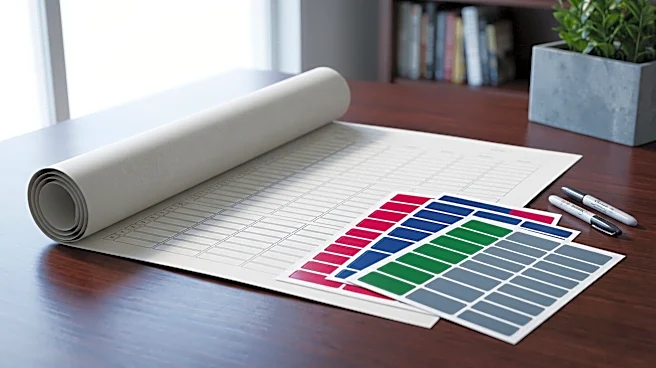
This is the single most important step. Instead of a rigid list from 1 to 200, group players into tiers. A tier is a cluster of players you value similarly. For example, if you believe the top three running backs are in a class of their own, that’s your first tier. The next five might form Tier 2. The logic is simple: the difference between players within the same tier is minimal, but the drop-off between tiers can be significant. This method provides incredible flexibility during your draft. If the last player in a tier gets picked, you know it’s time to re-evaluate the board instead of just taking the next name on a list. Tiers help you see value cliffs and avoid panicking when a specific player you wanted is gone.
Adjust for Your Scoring System
Not all points are created equal. How your league scores will dramatically shift player values, and your board must reflect that. The most common variant is Points Per Reception (PPR). In full-PPR leagues, pass-catching running backs and high-volume slot receivers get a major boost. A running back who catches five passes a game is far more valuable there than in a "standard" league that only awards points for yards and touchdowns. In contrast, standard scoring favors touchdown-dependent power backs. Half-PPR leagues split the difference. Go through your tiers and slide players up or down based on their role. A possession receiver might move up a full tier in PPR, while a goal-line back might drop.
Factor in Unique League Formats
Beyond scoring, your league's roster format is the next critical layer. The most impactful format is the Superflex or 2QB league. In these formats, where you can start a second quarterback in a flex spot, the position's value skyrockets. Elite and even mid-tier quarterbacks become first- and second-round picks because the weekly point advantage they provide is massive. Waiting on a QB in a Superflex league is a dangerous game. Other formats like TE-premium (where tight ends get extra points per reception) also require adjustments, making elite tight ends worthy of earlier picks. Always know your league's specific rules before you start tiering players.
Calibrate for League Size
Finally, consider how many teams are in your league. Player scarcity changes everything. In a shallow 8- or 10-team league, every starting roster will be stacked with talent. This means you can often afford to wait longer on positions like quarterback or tight end, as there will still be quality starters available later. In deeper 14- or 16-team leagues, positional runs happen faster and the waiver wire is a barren wasteland. Positional scarcity becomes a huge factor. Running backs, in particular, become extremely valuable, and waiting too long can leave you with a significant hole in your roster. Adjust your tiers to prioritize scarce positions earlier in deeper leagues.