



The Case for Rest
On paper, extra time off is a manager's dream. In a sport defined by the daily grind, a multi-day break before the most important series of the year allows a team to optimize its biggest weapon: the pitching staff. The Brewers can now perfectly align
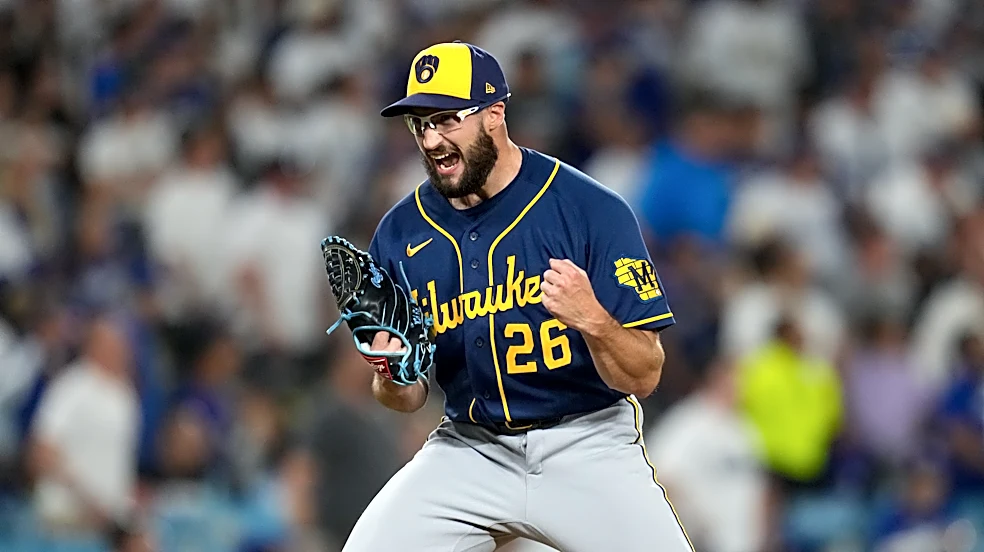
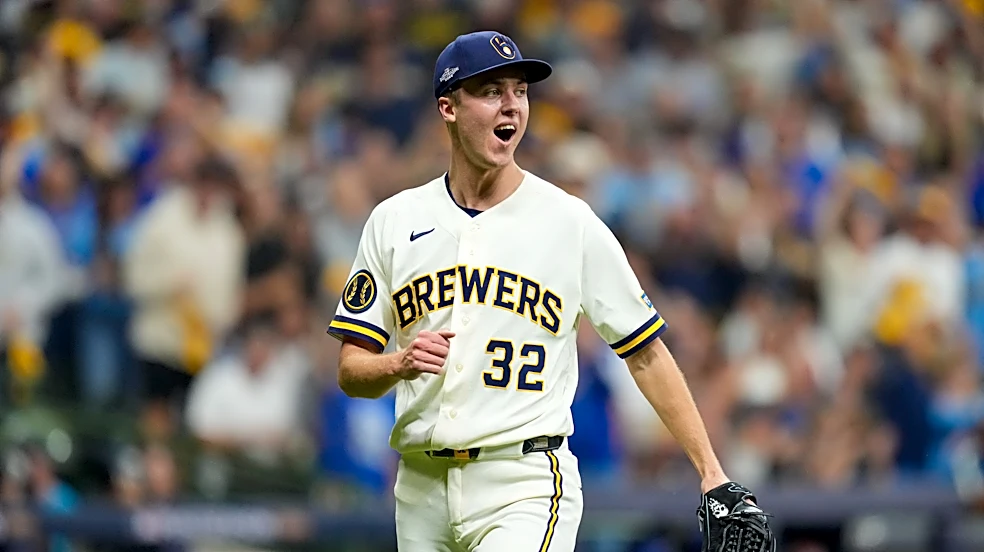
their starting rotation, ensuring their aces are ready for Games 1 and 2 on full rest. The bullpen, which was leaned on heavily in tight NLDS and NLCS games, gets to recover. Nagging injuries that players accumulate over a 162-game season and a tense October have a chance to heal. Players dealing with issues like shin splints or knee soreness will undoubtedly benefit from the downtime. There's even the possibility of a dramatic return for a key injured player like pitcher Brandon Woodruff, whose potential availability for the World Series roster is a direct result of this extended break. It’s a chance to reset physically and mentally, turning the page from the emotional high of winning the pennant to the final task ahead.
The Peril of Rust
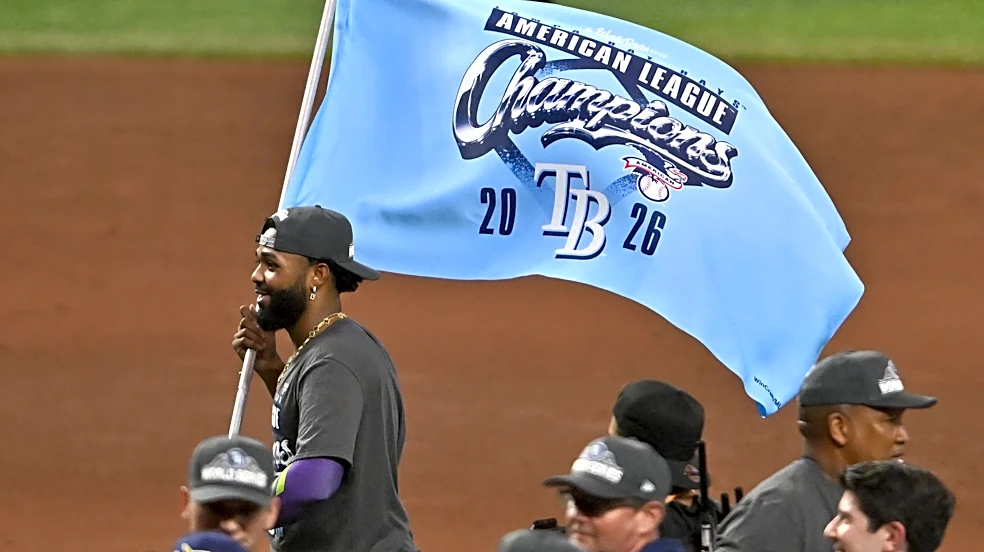
The flip side of the coin is the one that keeps hitting coaches up at night. Baseball is a sport of relentless rhythm and routine. Hitters, in particular, depend on seeing live pitching every single day to keep their timing sharp. A long layoff can disrupt that delicate calibration. A fastball that looked hittable a week ago might suddenly seem a tick faster. The sharp break on a slider becomes harder to recognize. While pitchers rest their arms, batters can lose their edge. This 'rust' often shows up most in the early games of a series. The worry is that while the Brewers have been conducting simulated games and intense batting practices, their opponents, the Tampa Bay Rays, have been honing their skills in the crucible of high-stakes elimination games. They are, in a word, sharp. The Brewers will step onto the field for Game 1 having not faced an opposing team in a real game for a week, a veritable eternity in baseball time.
What History Tells Us
So, which is it? Does history offer a clear verdict? Not exactly. For every team that seemed to benefit from a break, there’s a cautionary tale. The most famous example of rust is the 2007 Colorado Rockies, who went on a blistering 21-1 run before an eight-day layoff preceding the World Series. They were then promptly swept by the Boston Red Sox, looking completely out of sync. The 2012 Detroit Tigers suffered a similar fate, sweeping their way to the World Series only to be swept themselves after a long wait. However, more recent history has been kinder to rested teams. The 2019 Washington Nationals, 2022 Houston Astros, and 2025 Los Angeles Dodgers all swept their respective league championship series and went on to win the World Series. Statistical analyses of decades of playoff series show no significant, predictable edge for either the more-rested or less-rested team. The outcome, it seems, has far more to do with the specific makeup of the team in question.
The Verdict for These Brewers
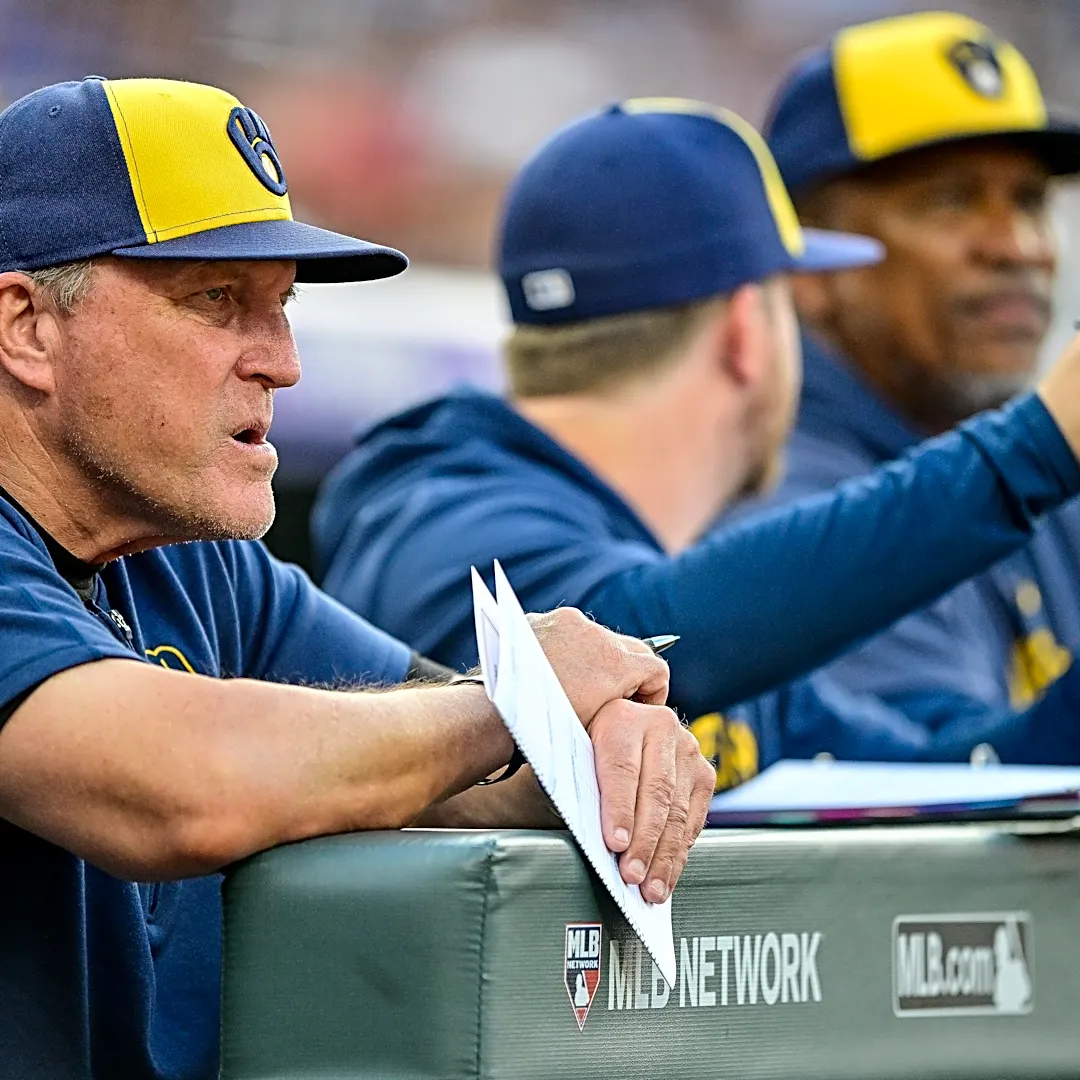
This brings us back to the 2026 Milwaukee Brewers. A team built on a foundation of dominant pitching and a relentless, if sometimes streaky, offense. For them, the benefits of rest seem to outweigh the risks of rust. The ability to have their top starters fully recovered and ready to go is a massive strategic advantage. It allows manager Pat Murphy to deploy his deep bullpen exactly as he wants, without worrying about fatigue from the previous series. The challenge falls to the hitters. Can they stay locked in through simulated games and high-intensity practice? Given the team's 'grit and fight' identity, which saw them stage comeback wins throughout the playoffs, they seem mentally equipped for the task. The long break puts the onus on their preparation and discipline. For a franchise that has never won a World Series, ensuring this historic opportunity isn't undone by a simple loss of rhythm will be their final, and perhaps greatest, test.