




Efficiency Is Not Volume
In real football, efficiency is king. An offense that marches downfield on a 12-play, seven-minute drive that ends in a touchdown is a coach’s dream. It controls the clock, rests the defense, and demoralizes the opponent. But in fantasy football, that same
drive is a potential nightmare. Fantasy is a game of volume—more plays mean more opportunities for yards and touchdowns. An efficient, ball-control offense often runs fewer plays per game, limiting the statistical ceiling for every player involved. Conversely, a chaotic, up-tempo offense that trades quick three-and-outs for explosive scoring drives might lose the real game but rack up fantasy points through sheer volume and big-play upside.
Spreading the Wealth vs. Funneling Targets
An NFL quarterback who reads the defense and consistently hits the open man is a hallmark of a sophisticated, improving offense. This is what coaches mean when they talk about a quarterback “taking what the defense gives them.” The problem for fantasy is that this often leads to a distributed passing attack, where five or six different players might see 3-5 targets each. While this makes the real-life offense harder to defend, it devastates the value of a fantasy WR1 who needs a steady diet of 8-10 targets to be elite. A less advanced or more desperate offense might simply “funnel” the ball to its best player, which is fantastic for that player’s fantasy manager but makes the offense predictable and easier to shut down. So, as a real-life QB matures and diversifies his reads, the fantasy value of his top receiver can ironically decline.
The Touchdown Conundrum
Touchdowns are the lifeblood of fantasy scoring, but they are often fluky and subject to regression. A team can easily improve its overall scoring offense while its fantasy stars see their touchdown totals drop. Imagine a team that stalls in the red zone one year, kicking lots of field goals. The next year, a new offensive coordinator installs a better rushing scheme. The team now scores more touchdowns, but they come on the ground via a bruising running back from the one-yard line. The team's points-per-game average goes up, but the star wide receiver who had 12 TDs the previous year now has only six. The offense improved, but its fantasy production shifted from a high-value player (the WR) to a lower-value or more specialized one (the goal-line back).
Rise of the Game Manager
Sometimes, a young, gunslinging quarterback puts up huge fantasy numbers through a combination of passing yards and rushing ability, even while making critical mistakes that cost his team wins. As he develops, his coaches may rein him in, asking him to take fewer sacks, throw fewer risky passes, and use his legs to extend plays rather than just racking up rushing yards. This can make him a much better real-life quarterback and a more effective leader of the offense. However, this safer, more cerebral style often leads to fewer 300-yard passing games and fewer rushing touchdowns—the very stats that create monster fantasy weeks. Pocket passers, who are often highly valued by NFL teams for their decision-making, frequently have less fantasy upside than their more mobile, chaotic counterparts.
Scheme Changes Matter Most
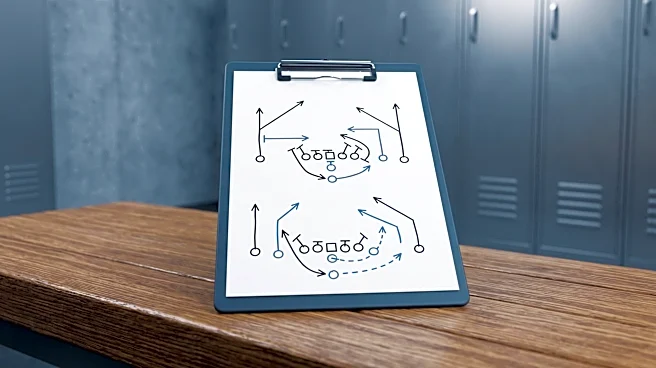
Ultimately, many of these shifts come down to changes in coaching and offensive scheme. A new offensive coordinator might be hired with the specific goal of establishing the run, controlling the clock, and reducing turnovers. This is a recipe for real-life improvement, especially for a team that was too pass-happy and mistake-prone before. For fantasy managers, however, this translates to fewer pass attempts, a slower pace of play, and a lower ceiling for everyone except perhaps the lead running back. Recognizing these philosophical shifts in the offseason is one of the sharpest ways to get ahead in fantasy, as it allows you to see past last year's stats and project what a team's offensive identity will become.