





A Unique Aerodynamic Puzzle
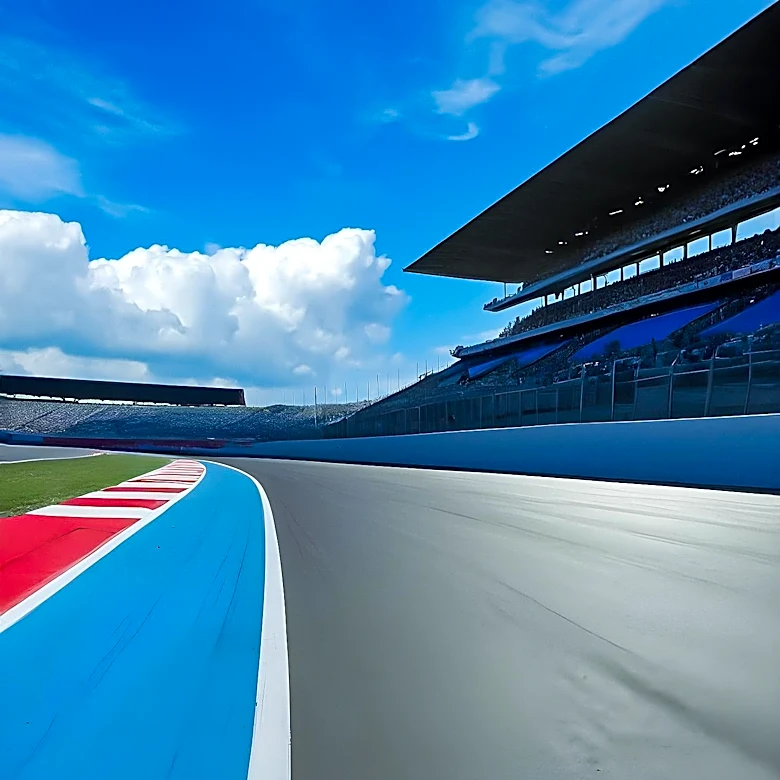
Indianapolis Motor Speedway is a 2.5-mile rectangle, a design that makes it unlike any other track on the NASCAR circuit. Its long, flat straightaways demand low drag for maximum straight-line speed, but the four sharp, minimally banked corners—just nine
degrees—require significant downforce for grip. This creates a fundamental setup conflict. A car optimized for the straights will be a handful in the turns, while a car built for cornering speed will be slow down the long chutes. Teams spend the race gathering immense amounts of data on how their cars manage this trade-off. They learn precisely how adjustments to spoilers, splitters, and underbody components affect performance in these two distinct environments. This information is invaluable not just for Indy, but also for other flat tracks like Pocono, which has a turn modeled after Indy's. Success here proves a team’s aero department can find the perfect, delicate balance between raw speed and mechanical grip.
The Ultimate Tire Management Test
Because the corners at IMS are so flat, the heavy stock cars can't use the banking to help them turn. Instead, they produce high slip angles, essentially sliding across the abrasive asphalt. This generates immense heat and puts incredible stress on the tires, particularly the right-side set. For teams and drivers, the Brickyard is a masterclass in tire conservation. Goodyear often develops a specific tire compound just for this race, and teams must learn how it behaves over a long run as track temperatures change. A driver who can maintain speed without burning up their tires provides a huge advantage. The data collected on tire wear, pressure changes, and temperature cycles helps engineers predict tire behavior for the rest of the season, especially during hot summer races where tire degradation becomes a critical factor in strategy.
Horsepower, Gearing, and Fuel Mileage
The massive straightaways at Indy mean engines spend a significant amount of time at wide-open throttle, making it a crucial test of horsepower and reliability. Teams bring their best engines, and the data gathered here provides a clear benchmark of their engine program's strength against the competition. Furthermore, the track's layout forces complex decisions on gear ratios. Teams must find the right balance to provide strong acceleration off the tight corners without sacrificing top-end speed on the straights. Finally, the 400-mile distance and the potential for long green-flag runs make fuel strategy paramount. Several Brickyard 400s have been won or lost on fuel mileage gambles, teaching teams how to calculate consumption precisely and when to take a strategic risk.
A Barometer for Championship Contention
There's a reason why so many Brickyard 400 winners have gone on to win the NASCAR championship in the same season. The track demands excellence from every part of a race team: the driver, the pit crew, the engineers, and the strategists. The high-pressure environment of racing at such a legendary venue reveals who can execute under the brightest lights. Pit road is notoriously long and narrow, placing immense pressure on drivers to hit their marks perfectly and on crews to perform flawless stops. A strong performance at Indianapolis is often seen as a litmus test for a team's championship readiness. It proves they have the speed, strategy, and mental fortitude to beat the best in the sport's most demanding conditions. A victory here isn't just a crown jewel; it's a statement of intent for the title hunt.