

Ignoring Portfolio Diversification
Falling in love with a handful of players and drafting them across all your teams is a recipe for disaster. While conviction is good, being over-exposed to a few players makes your entire portfolio incredibly fragile. If your favorite sleeper gets injured
in Week 2, or a star player significantly underperforms, you haven't just lost one team; you've crippled your entire investment. High-stakes players often max out tournament entries, sometimes drafting 150 teams. In this scenario, managing player exposure is critical. Think like a stock trader: diversify your assets. You should have exposure to a wide range of players and team structures to ensure that injuries or busts don't sink your whole season.
Forcing a Predetermined Strategy
Entering a draft locked into one specific strategy, like "Zero RB" or "Hero RB," regardless of how the board falls, is a critical error. The best drafters are fluid, like water, and react to the value the draft presents. If elite wide receivers keep falling to you, it might be the perfect time for a Zero RB build. Conversely, if running backs are being undervalued, you should be prepared to pivot. Being dogmatic means you'll inevitably reach for players that don't fit your structure and ignore incredible values that fall outside your preconceived plan. Know all the popular strategies so you can adapt and select the best players available before committing to a specific roster construction.
Reaching to Complete Stacks
Stacking—pairing a quarterback with one of his pass-catchers—is a proven, effective strategy for creating upside in tournaments. However, reaching multiple rounds ahead of a player's Average Draft Position (ADP) just to complete a stack negates the value you're trying to create. If you take a receiver two rounds early to pair with your quarterback, you're at an immediate disadvantage against another team that got that same stack at a better value. Think of stacking as a tiebreaker, not a rule you must follow at all costs. The goal is to accumulate value, and reaching for stacks is a surefire way to bleed it away.
Playing It Too Safe
In large-field tournaments, finishing in the middle of the pack gets you nothing. You have to draft for upside. Common signs of playing it too safe include drafting a third quarterback after already selecting an elite one, or handcuffing your own running backs. Drafting an elite QB or RB implies you're right about their talent; drafting their backup is a contingency plan that takes up a valuable roster spot that could be used on a player with league-winning upside. Best Ball isn't about creating a safe floor; it’s about building a ceiling high enough to beat thousands of other teams in the final weeks.
Misunderstanding Roster Construction
Best Ball rosters are a delicate balance. Since you can't make waiver wire moves, you need enough players at each position to survive bye weeks and injuries. A common mistake is drafting too many or too few players at a certain position based on your early-round picks. For example, if you use high draft capital on an elite tight end, you should generally only draft one other tight end, not three. That third spot is better used for adding depth at wide receiver or running back. Similarly, a "Hyperfragile" build where you take three RBs early and then stop at four total can work, but it requires you to hit on those early picks and load up on receivers. Understanding these structural nuances is key.
Over-Prioritizing Week 17 Matchups
The biggest prizes are won in Week 17, so building for playoff-week correlation makes sense. However, your team has to advance to the finals first. Overly focusing on Week 17 matchups at the expense of drafting the best team for the first 14 weeks is a frequent misstep. Players who obsess over Week 17 may pass on a better player in Week 1 for a lesser talent with a supposedly good matchup four months down the line. A better approach is to use playoff schedules as a tiebreaker between two similarly valued players, not as the primary reason for a pick.
Wasting Late-Round Picks
Late-round picks aren't throwaways; they are opportunities to find league-winning upside. A common mistake is using these picks on "safe" but low-ceiling players or drafting handcuffs for your own running backs. In Best Ball, you want late-round players who have the potential for spike weeks, even if their week-to-week production is volatile. These are the players whose boom games will automatically find their way into your starting lineup. Drafting a unique player late that few other teams have can also provide a significant edge if that player hits, especially in the final rounds of a large tournament.
Trying to Predict Injuries
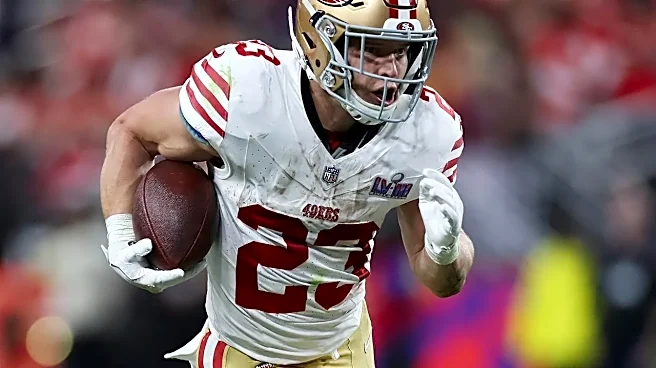
Fading a player solely because you have a gut feeling they will get hurt is a losing strategy. Every single player in the NFL carries injury risk. In 2022, many drafters avoided Christian McCaffrey due to his injury history, only for him to play a full season while the consensus top pick, Jonathan Taylor, missed significant time. It's impossible to reliably predict who will get hurt. Instead of drafting based on fear, focus on talent and value. Fading an elite player at a good price because of injury risk is often a bigger mistake than drafting them and having them get injured.