




Goodbye, Unwavering Allegiance
For generations, football fandom was tribal. You had your team, and you rooted against their rivals, no questions asked. Fantasy football obliterates that purity. Suddenly, you find yourself in a state of complex emotional arithmetic. You need your favorite
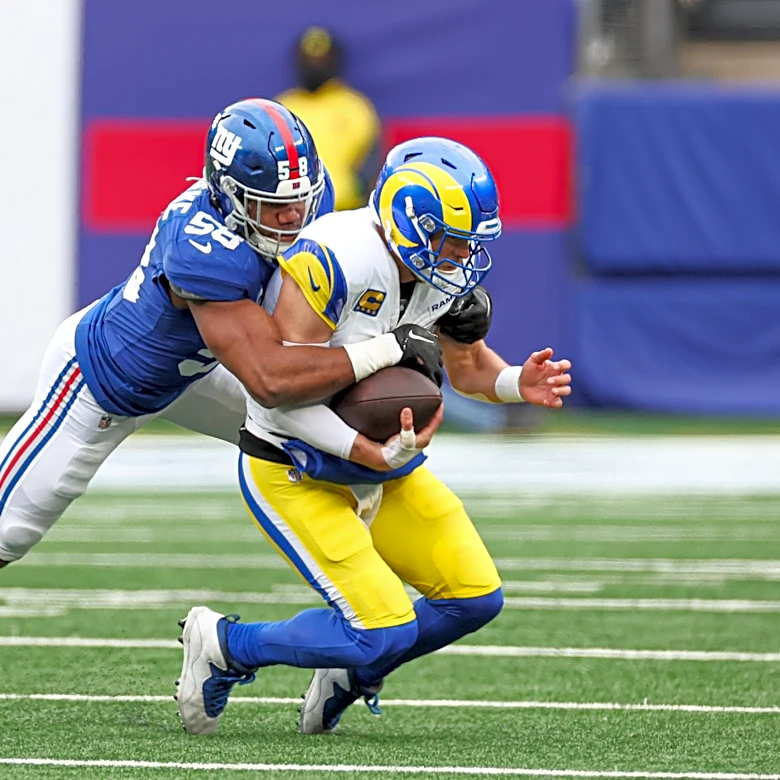
team to win, but you also need the star receiver on their biggest rival to catch two touchdowns for your fantasy team to have a chance. This creates a strange, layered viewing experience where every play has multiple implications. This shift doesn’t necessarily erase your core loyalty, but it certainly complicates it, turning you from a simple fan into a manager of a portfolio of players scattered across the league. According to one study, a significant percentage of fantasy players have even admitted they would prefer a win for their fantasy team over a win for their favorite NFL team.
The Unwatchable Becomes Unmissable
Before fantasy, a matchup between two losing teams in another conference was, at best, background noise. Now, that same game could be the most important contest of the week. If your starting running back is playing in that game, it becomes a high-stakes drama. This phenomenon has fundamentally altered not just how we watch, but what we watch. It’s the driving force behind the success of services like the NFL’s RedZone channel, which caters directly to a fantasy-driven audience by whipping around the league to show every scoring play. Fantasy football gives every game meaning, transforming even the most obscure matchups into must-see television because someone, somewhere, has their fantasy hopes riding on it. This increased engagement means fans consume more games and more content throughout the week.
From the Couch to the Front Office
The casual fan watches the game; the fantasy player analyzes it. Participation turns you from a passive viewer into an active general manager of your own team. You’re no longer just watching for touchdowns; you’re tracking target shares, snap counts, and defensive matchups. The language of your football conversations shifts from broad opinions to detailed statistical analysis. You spend hours researching player stats, listening to analyst podcasts, and reading injury reports to gain an edge. This deeper level of engagement provides cognitive benefits, as managing a team involves strategic thinking and data analysis, almost like solving a complex puzzle. You are now an active participant in the sport, making decisions that have immediate consequences for your weekly matchup.
A New Kind of Locker Room
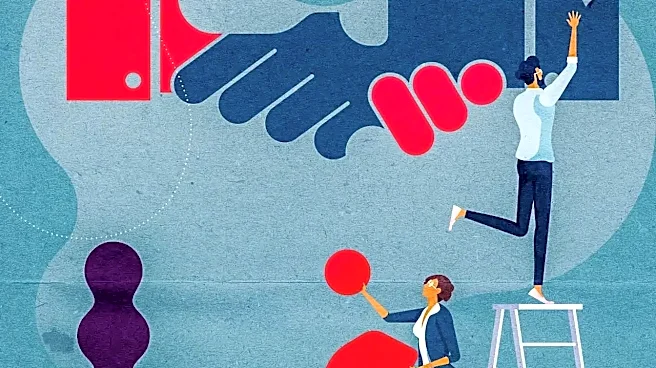
Perhaps the biggest change isn't what happens on the screen, but what happens off it. Fantasy football is an intensely social activity. It creates a new community, complete with endless group chat banter, spirited trade negotiations, and shared agony over a star player’s dud performance. This social glue keeps friends, family, and coworkers connected throughout the entire season, creating bonds and rivalries that extend far beyond the game itself. For many, this community aspect is the primary draw, turning a solitary viewing experience into a shared, interactive event. It has even become an entry point for people who weren't previously football fans, drawing them into the sport through the approachable and competitive nature of a fantasy league.