


Harry Wismer’s Chaotic Founding
Every story has a beginning, and the Jets’ starts with Harry Wismer, a bombastic and overextended entrepreneur who founded the team as the Titans of New York in 1959. Wismer, a charter member of the upstart American Football League (AFL), named his team the Titans because,
as he proclaimed, “Titans are bigger and stronger than Giants.” While the name was aspirational, the reality was anything but. The team played in the decaying Polo Grounds and struggled mightily, both on the field and financially. Wismer’s personal finances couldn’t keep the team afloat, and by 1962, the league itself had to take over operations to stop the franchise from folding completely. It was a rocky start that nearly ended the story before it began.
Sonny Werblin and the 'Broadway Joe' Revolution
Out of Wismer’s financial ruin came the franchise’s most important turning point. In 1963, a five-man group led by entertainment executive Sonny Werblin bought the bankrupt team for $1 million. Werblin, a master showman from his time as a powerful talent agent, immediately understood the need for star power. He renamed the team the Jets, moved them to the newer Shea Stadium, and in 1965, made the single most impactful decision in team history: signing University of Alabama quarterback Joe Namath to a then-unheard-of $427,000 contract. The signing not only gave the Jets a charismatic superstar but legitimized the entire AFL. Werblin’s vision culminated in the Jets’ shocking victory over the Baltimore Colts in Super Bowl III, a win that changed pro football forever.
Leon Hess: The Long Wait and the Move to Jersey
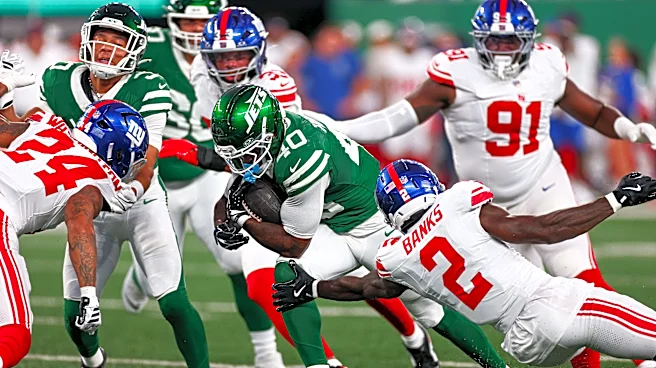
Leon Hess, an oil tycoon and one of Werblin's original partners, took full control of the team by 1984. His decades-long tenure was defined by a passionate, almost desperate, desire to win another championship. Hess was known for his generosity to players but was often frustrated by the team's inconsistent results. His most controversial decision came in 1984, when, unhappy with the conditions at Shea Stadium, he moved the Jets out of New York City and into Giants Stadium in New Jersey, making them tenants of their crosstown rivals. Late in his ownership, Hess made a final, aggressive push, famously declaring he wanted to win before he died and hiring two-time Super Bowl winner Bill Parcells to run the team, giving him total control over football operations. This led to an AFC Championship appearance in the 1998 season, the closest the team had come to the Super Bowl since the Namath era.
The Johnson Era: Unprecedented Drought and Uncertainty
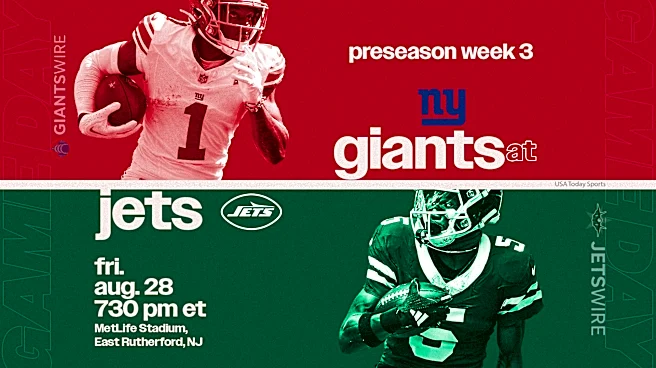
Following Hess's death, Johnson & Johnson heir Woody Johnson bought the team in 2000 for $635 million. The Johnson era started strong, with two AFC Championship game appearances under coach Rex Ryan in 2009 and 2010. Since then, however, the franchise has been mired in futility, setting a team record for the longest playoff drought in franchise history. The ownership has been criticized for a lack of stability, cycling through numerous general managers and head coaches. Decisions like jointly building MetLife Stadium with the Giants continued the team's "roommate" status in New Jersey, while a prior attempt to build a stadium on Manhattan's West Side failed. Despite the team's on-field struggles, its financial value has soared to over $6 billion. Recent years have seen Johnson publicly acknowledge his responsibility for the team's lack of success, leaving fans to wonder if the next big decision will finally be the one that turns the tide.