




It’s a Massive Archive of Football History
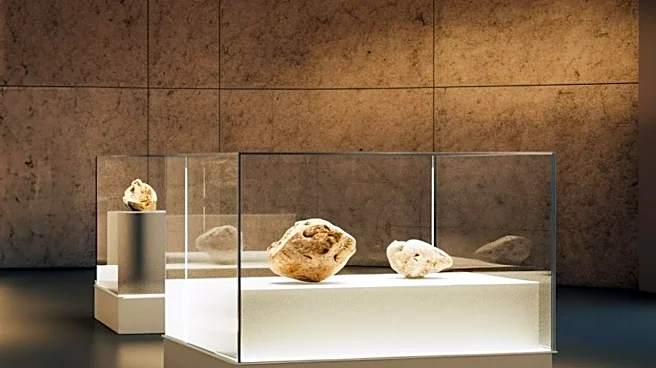
The collection is far more than just what's on display in Canton, Ohio. In fact, what visitors see is only a tiny fraction of the whole. The Hall's archives contain more than 40 million pages of documents and over six million photographic images. These
aren't just old game programs; they include everything from team media guides dating back to the 1930s to the minutes from the 1920 meeting that formed the league. Add to that more than 30,000 three-dimensional artifacts—helmets, jerseys, balls, and more—and you have the most comprehensive collection of pro football history on the planet. At any given time, as much as 97% of this material is resting in a climate-controlled preservation center, carefully cataloged and waiting for its moment in the spotlight.
It Holds Pro Football's 'Birth Certificate'
Among the millions of documents, one stands out as arguably the most important: pro football's 'birth certificate.' This isn't a ceremonial document, but an accounting ledger from the Allegheny Athletic Association dated 1892. Inside, an entry shows a $500 payment to William "Pudge" Heffelfinger for playing in a game, making him the first-ever documented professional football player. This simple financial record is considered the definitive proof of the sport's professional origins and a cornerstone of the entire collection. It represents the moment football turned from a pastime into a profession, laying the groundwork for the multi-billion dollar industry we know today.
The Collection Includes Some Truly Bizarre Items
While you'd expect to find jerseys and helmets, the Hall's curators also collect items that tell the stranger-than-fiction stories of the sport. The collection includes a heating coil that failed during the legendary 1967 "Ice Bowl" at Lambeau Field. It also houses a lock of hair from Hall of Fame running back Edgerrin James; after being tackled by his dreadlocks, he had them cut and sent to the museum. There's even an ear tag from a cow raised by former Browns lineman Joe Thomas. These oddities aren't just for shock value; they provide a unique, tangible connection to moments and personalities that color the history of the game.
Getting Artifacts Is a Year-Round Mission
The Hall doesn't just wait for donations. Its collections team actively works with all 32 NFL teams, equipment managers, and players to acquire items from milestone moments, often within days of them happening. Before each season, staff create a spreadsheet of potential records and achievements to track. When a player breaks a significant record, like Drew Brees becoming the all-time passing leader, the Hall is ready. They coordinate to receive the jersey, ball, or other relevant gear, sometimes having it on display in the "Pro Football Today" exhibit while the season is still underway. This proactive approach ensures the collection remains a living, breathing history of the sport, documenting new chapters as they are written.
It's Not Just About Hall of Famers
While honoring the game's greatest figures is a core mission, the collection's scope is much broader. Artifacts are collected from any player who achieves a notable feat or is part of a significant moment, regardless of their Hall of Fame status. For instance, when a kicker hits an unusually long field goal, his shoes and jersey might be sent to Canton. The goal is to tell the complete story of professional football. This includes everything from the contracts of players who reintegrated the league, like Marion Motley and Bill Willis, to the draft card of every player selected since 1997. This inclusive approach ensures that the narrative of the NFL, with all its contributors big and small, is preserved.
Preservation Is a Delicate Science
Once an item enters the collection, it is treated like a priceless piece of art. The Hall's curators understand that the best environment for any artifact, especially textiles like jerseys, is complete darkness in a climate-controlled setting. Light, even museum-quality lighting, causes fading and degradation over time. For this reason, items are rotated in and out of exhibits. A famous jersey might be displayed for a couple of years before being returned to the archives to "rest." Fortunately, for iconic players like Johnny Unitas, the Hall often has multiple game-worn jerseys, allowing them to swap items without leaving a gap in the story presented to the public.