




The Only Game in Town
In many states where college football reigns supreme, there’s a conspicuous absence of professional sports franchises. For decades, particularly in the South and parts of the Midwest, the state university’s team was the only high-level team to root for.
This historical quirk created a powerful bond. The University of Alabama or The Ohio State University didn't just represent a school; they represented the entire state on a national stage. This dynamic turned teams like the Nebraska Cornhuskers into the state's de facto pro team, commanding a loyalty that crosses every county line. When the local university is the biggest brand around, allegiance isn't just a choice—it’s a birthright.
A Weekly Economic Powerhouse
Follow the money, and you'll find another core reason for the obsession. On game day, small and mid-sized college towns like Tuscaloosa, Alabama, or Athens, Georgia, transform into bustling economic hubs. Hotels are booked solid, restaurants are packed, and local shops see a massive influx of revenue. A single home game can inject tens of millions of dollars into the local economy. This financial impact creates a symbiotic relationship: the community supports the team, and the team, in turn, fuels the community's prosperity. Successful programs also drive university applications and alumni donations, making the football team an essential engine for the entire institution's growth and profile.
Saturdays as a Sacred Tradition
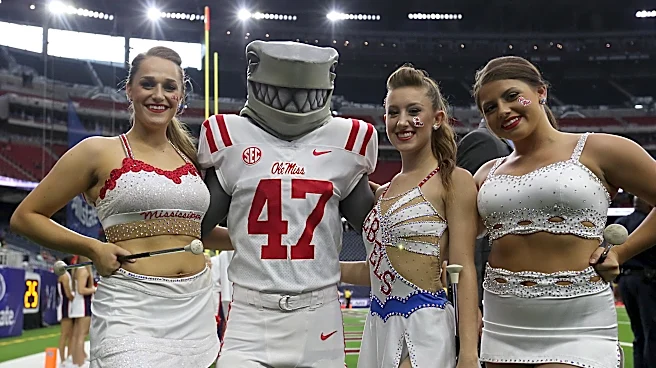
In the most fervent college football states, the sport is steeped in ritual and tradition that borders on religious. It’s been said that in the South, football is a religion and Saturday is the holy day. The experience is about far more than the 60 minutes of gameplay. It’s about the multi-generational tailgates that feel like family reunions, with recipes passed down like heirlooms. It's the marching band's songs, the shared chants in a stadium of 100,000 fellow believers, and the rivalries that divide households and define the calendar year. These traditions create a profound sense of belonging and cultural identity that connects generations and provides a rhythm to life.
Identity, History, and Bragging Rights
Ultimately, college football is a language of regional pride. After the Civil War, the South was looking for sources of pride and ways to compete with the North. Beating a northern team on the football field became a symbolic victory. That deep-rooted need for identity and bragging rights has never faded. Winning doesn't just mean a better ranking; it means a year of holding your head high against your rivals. In states like Alabama, the Iron Bowl against Auburn isn't just a game; it's a battle for the soul of the state. This passion is instilled from birth, with team logos on onesies, turning fandom into an inherited, non-negotiable part of who you are.