



Why Week 17 Is All That Matters
In large-field Best Ball tournaments, like those hosted on Underdog Fantasy or DraftKings, the goal is to survive and advance. You draft your team and never touch it again. For the first 14 weeks of the NFL season, you simply need to finish in the top
two or three of your initial 12-person group to make the playoff rounds. But the real money is won in Week 17. That’s the championship round, where you compete against hundreds or thousands of other finalists. To win the grand prize, you don't need the best team over the whole season; you need the single highest-scoring lineup in that one specific week. This single-week shootout dynamic changes everything about how you should build your roster from the very first pick.
The Foundational Strategy: Stacking
The first level of advanced strategy is 'stacking.' This simply means rostering multiple players from the same team, most commonly a quarterback and one of his receivers or tight ends. The logic is straightforward: if your quarterback has a massive game with 350 yards and four touchdowns, it’s highly likely one of his pass-catchers had a huge day, too. By stacking, you are capturing all the points from that connection. If they connect on a long touchdown, you score points for the passing yards, receiving yards, and two touchdowns (one for the QB, one for the receiver) on a single play. This correlation creates the massive weekly ceiling necessary to beat a huge field.
The Game-Changing Detail: Week 17 Game Stacking
Here is the detail that separates the pros from the pack: it’s not just about stacking players on the same team. It’s about stacking the entire game—specifically, the game being played in Week 17. This is called 'game stacking,' and it involves drafting players from both teams in that crucial matchup. Think about it: what kind of game produces the most fantasy points? A high-scoring shootout. If your quarterback and receiver stack goes off for a monster score, it’s often because they were in a back-and-forth battle. That means the opposing offense was also scoring, forcing your players to keep throwing. By drafting a key player from the opposing team (a 'bring-back'), you capture the upside from both sides of a potential shootout. Data shows that game stacking for Week 17 can increase your odds of winning first place by nearly 50%.
How to Use This in Your Draft
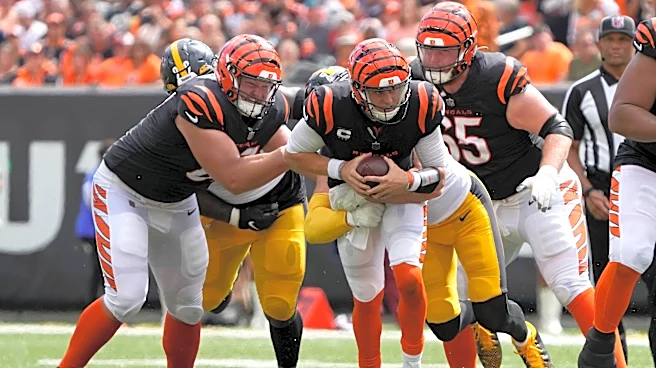
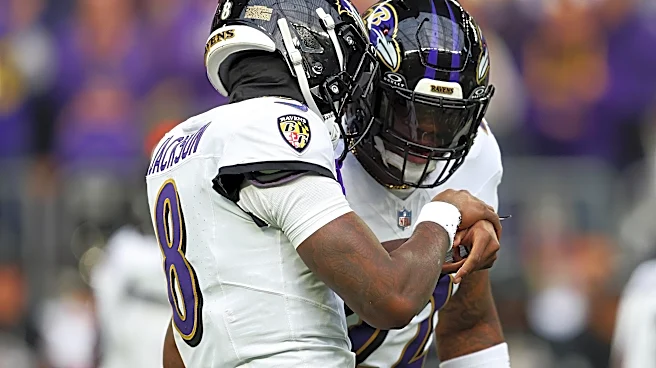
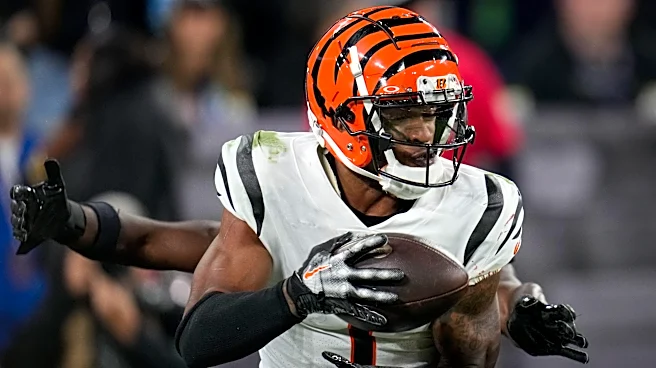
Putting this into practice is a draft-room game-changer. Before you even start, pull up the Week 17 NFL schedule. As you draft, use it as a guide. If you draft a quarterback like Joe Burrow in the early rounds, you should be actively looking for his Week 17 opponent. The Cincinnati Bengals play the Baltimore Ravens in Week 17 of the 2026 season. So, after drafting Burrow, you'd stack him with Ja'Marr Chase or Tee Higgins, but you'd also make a point to target a Raven like Zay Flowers or Mark Andrews later in the draft as your bring-back. This creates a correlated roster built to explode in a potential AFC North shootout when it matters most. The key is to use this as a tiebreaker, not an absolute rule. Don't reach multiple rounds ahead of a player's average draft position (ADP) just to force a stack. But when you're deciding between two similarly valued players, always choose the one who gives you that Week 17 correlation.