
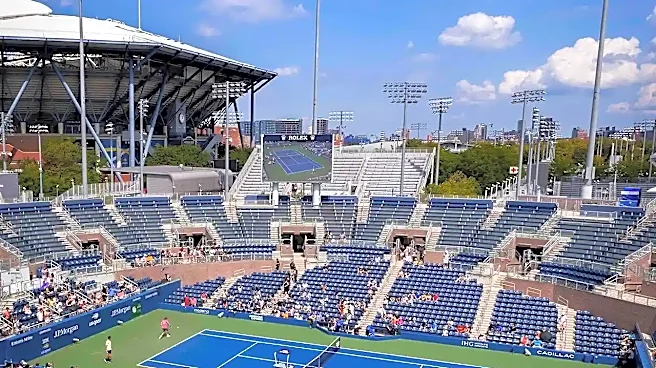

A Surface Built for Speed
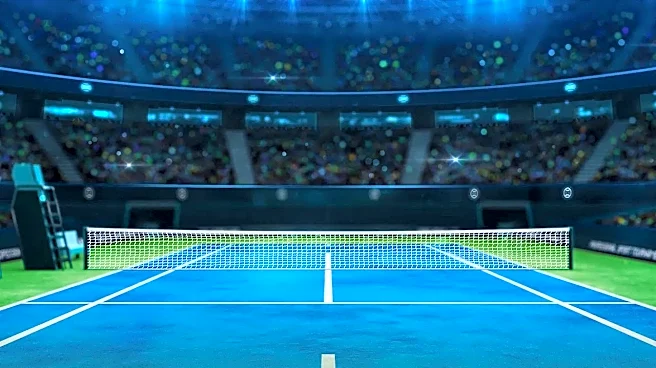
The courts at the USTA Billie Jean King National Tennis Center are not just any hard courts; since 2020, they have been surfaced with Laykold. This material is engineered for a medium-fast pace. According to the International Tennis Federation's Court
Pace Rating (CPR), the US Open targets a speed that sits in the 41 to 44 range, classifying it as medium-fast. This isn't an accident. Tournament organizers, in consultation with surface scientists and players, dial in this speed to create a specific type of contest. The Laykold surface is composed of acrylic layers over asphalt or concrete, with a precise blend of sand in the topcoats. The properties of this sand are critical; its specific angles and grain interactions determine the friction between the ball and the court, allowing for an exact pace to be achieved. This setup ensures the ball travels quickly, rewarding players who generate their own power and reducing the time opponents have to react.
The Physics of a True Bounce
More than just speed, the US Open courts are renowned for their consistency. The bounce is true and predictable, higher than on grass but lower and faster than on clay. This reliability is a huge factor for aggressive players. When a player who hits flat, powerful groundstrokes knows exactly how the ball will come off the surface, they can time their shots with immense confidence. They can attack the ball early, taking it on the rise to rob their opponents of precious fractions of a second. The Laykold surface provides significant energy return, meaning the ball doesn't die on the bounce; it springs up and through the court. Players aren't forced to waste energy manufacturing pace where there is none. Instead, they can use the court's inherent speed to amplify their own power, aiming for lines and hitting through their opponents. A player who waits for an error will struggle, as the surface empowers those who construct points and deploy weapons in big moments.
No Time to Think, Only Time to Hit
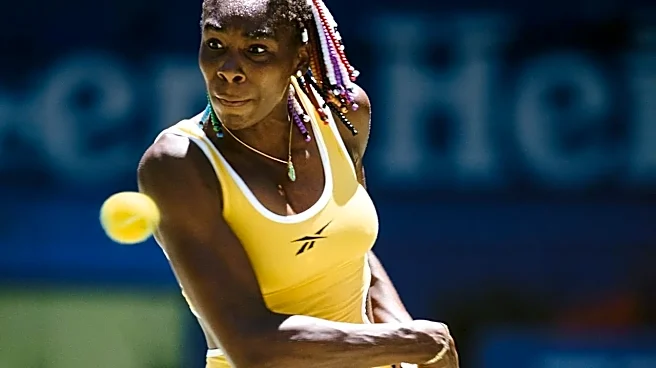
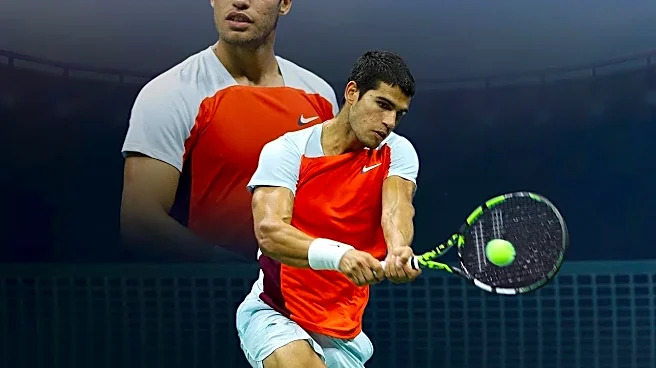
The combination of a fast surface and a true bounce creates a strategic imperative: attack or be attacked. On the slower clay of the French Open, players have more time to slide, defend, and reset rallies. At Wimbledon, the low, skidding bounce of the grass demands a different kind of adjustment. But at the US Open, the medium-fast courts shrink the geometry and timeline of a point. A 115-mph serve, for example, gives the returner less than half a second to react. This puts immense pressure on the defensive side of the game. Players with huge serves, like Pete Sampras or John Isner, have historically thrived, racking up aces and service winners. Likewise, aggressive baseliners who can punish short balls and dictate play from the center of the court—think Serena Williams or Andre Agassi—have found Flushing Meadows to be a perfect stage for their punishing styles. The courts force players to be proactive, looking for the first opportunity to land a decisive blow.
The Champions of Aggression
History provides the clearest evidence. The list of US Open champions is a who's who of tennis's greatest attackers. From Pete Sampras's serve-and-volley dominance to Serena Williams's overwhelming power from the baseline, the winners in New York are typically those who seize control of points. Even players not naturally suited to aggression, like Rafael Nadal, have had to adapt their games to succeed, focusing on playing closer to the baseline and hitting through the court more. The change to Laykold in 2020 was seen as a move that would further benefit big hitters and servers. The surface consistency across all courts allows players to find their rhythm quickly and trust their shots throughout the tournament. This reliable canvas gives the sport's great artists of aggression the freedom to paint their masterpieces with power, pace, and precision, making for the explosive, high-stakes tennis the US Open is famous for.