





A Roar Returns to the Dunes
For 36 years, the Circuit Zandvoort lay dormant on the Formula 1 calendar, a relic of a bygone era. Its return in 2021 was less a revival and more a resurrection, sparked almost single-handedly by the meteoric rise of Dutch driver Max Verstappen. Before
Verstappen, F1 was a background sport in the Netherlands, but his aggressive, fearless style captured the nation's imagination. Fans, famously known as the "Oranje Army," began turning European grandstands into seas of orange, creating a festival atmosphere wherever they went. The official return to Zandvoort was the homecoming they'd dreamed of, transforming the beachside town into the epicenter of a national celebration. The event's success was immediate and profound, driven by the intense energy of a fanbase finally cheering for their hero on home soil.
An Old-School Rollercoaster
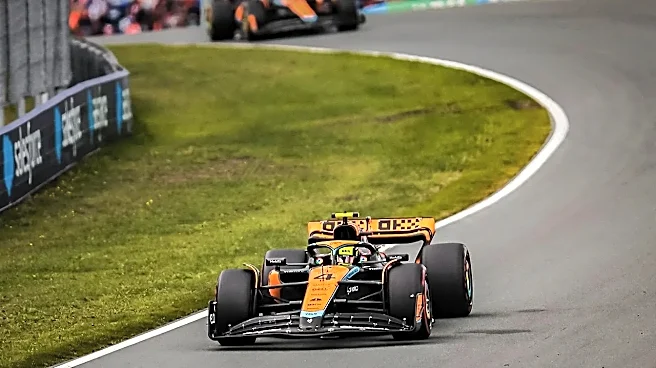
Drivers often describe Zandvoort as "crazy" and "old-school" for a reason. Nestled in the coastal sand dunes, the track is a narrow, undulating ribbon of asphalt that punishes mistakes with unforgiving gravel traps. Unlike modern circuits with vast runoff areas, Zandvoort retains a sense of danger and challenge that demands precision. Its character is defined by flowing, high-speed corners and significant elevation changes. For its F1 return, the circuit was modernized with two steeply banked corners, including the final Arie Luyendyk turn, which is taken at full throttle and features an 18-degree incline—steeper than the turns at the Indianapolis Motor Speedway. This blend of historic layout and modern engineering created a unique test of driver skill and car setup.
Ghosts of Champions Past
Long before the Oranje Army, Zandvoort was a hallowed ground where legends were made. First hosting a championship Grand Prix in 1952, the circuit was a mainstay of F1’s golden age. The winner's list reads like a who's who of motorsport royalty. British drivers dominated the 1960s, with Jim Clark claiming a record four victories, his smooth style perfectly suited to the flowing layout. Champions like Jackie Stewart, Niki Lauda, and James Hunt all tasted victory here. Lauda's 1985 win was the last before the Grand Prix went on its long hiatus, marking the end of an era. This rich history provides a foundation for the event's modern prestige, connecting today's heroes to the giants of the sport's past.
The Final Chapter For Now
The Dutch Grand Prix's celebrated return has also been marked by a sense of fleetingness. The 2026 race is scheduled to be the last on the F1 calendar for the foreseeable future, as the privately funded promoters opted not to extend the contract, citing commercial realities. The event's revival was intrinsically tied to Max Verstappen's success; it was, in essence, the "Verstappen Grand Prix." As his era of dominance has faced new challenges, the certainty of a sold-out, festival-like atmosphere became less guaranteed for the long term. While Verstappen himself has called the departure a "shame," he’s also focused on the lasting impact—the inspiration for a new generation of Dutch racers and a track that remains an icon. The legacy, therefore, isn't just in the orange-clad crowds but in the revival of a national passion for motorsport.