


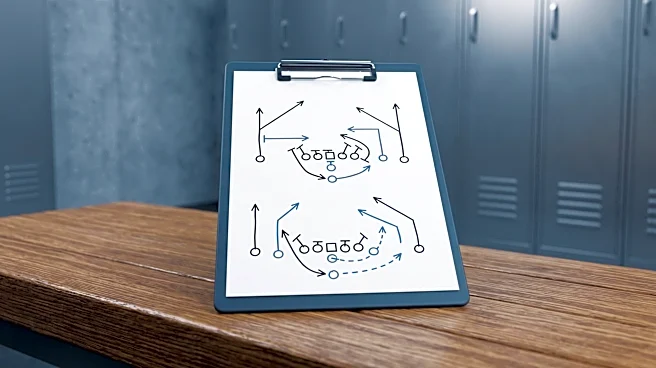

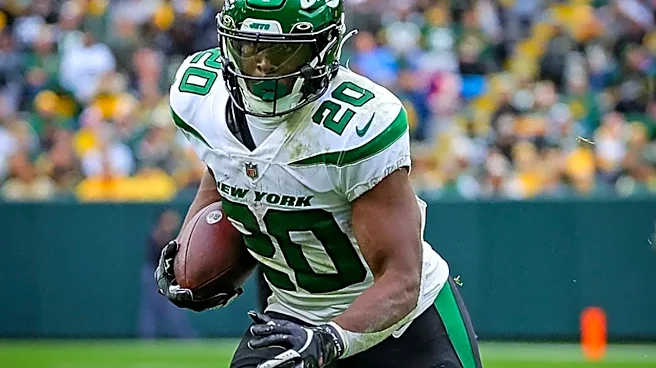
1. Coaching Scheme and Play-Calling
A new head coach or offensive coordinator can completely transform a player's value. A run-heavy coach taking over a pass-happy offense will limit a receiver's targets, while an innovative play-caller might unlock a versatile running back's potential
in the passing game. Coaches have unique styles and tendencies, so researching their historical player usage is crucial for predicting future roles.
2. Offensive Line Quality
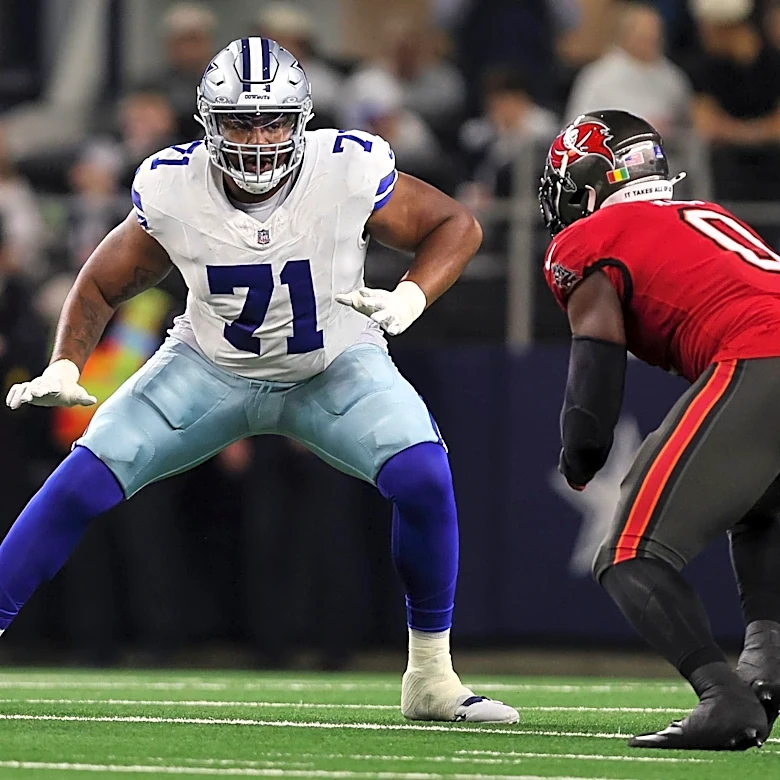
The five guys up front are the foundation of any offensive player's success. An upgraded offensive line means more time for a quarterback to throw and bigger lanes for a running back. Poor blocking can get a back hit at or behind the line of scrimmage, killing his efficiency. While elite talent can sometimes overcome a bad line, a strong unit raises the floor and ceiling for the entire offense.
3. Vacated Targets and Touches
When a star player leaves a team, their opportunities have to go somewhere. The term "vacated targets" refers to the pass attempts that went to players no longer on the roster. For example, a team that loses its top two receivers creates a massive opportunity vacuum. While these targets aren't automatically inherited by one player, they signal a major opening for returning players or newcomers to earn a much larger role.
4. Quarterback Stability and Quality
A receiver's ceiling is directly tied to the person throwing him the ball. An upgrade at quarterback can elevate an entire receiving corps, turning decent pass-catchers into fantasy stars. Conversely, a downgrade or an unstable QB situation due to injury or poor play can crater the value of even the most talented receivers. Mobile QBs who can extend plays also create more chances for their targets.
5. Red Zone Role
Not all touches are created equal. A player's involvement inside the 20-yard line is one of the biggest indicators of touchdown upside. A running back who gets all the goal-line carries or a receiver who is his quarterback's favorite red zone target has a significantly higher fantasy ceiling. Analyzing a player's red zone touch rate reveals who the coaches trust to score when it matters most.
6. Surrounding Offensive Talent
While target competition can be a negative, playing alongside other great players can be a huge positive. A star receiver on the other side can draw the opponent's top cornerback, freeing up a team's WR2 for easier matchups. Likewise, a legitimate passing threat can prevent defenses from stacking the box against a running back, leading to more efficient production on the ground.
7. Game Script Expectations
The flow of the game often dictates opportunity. Teams that are frequently trailing tend to pass more, which benefits quarterbacks, receivers, and pass-catching running backs. On the other hand, teams that play with a lead are more likely to run the ball to control the clock, boosting the value of their primary ball carrier. A team's expected win-loss record can be a sneaky predictor of player volume.
8. Contract Year Motivation
The theory that players perform better in the final year of their contract is a long-debated topic in fantasy circles. While some analysts believe it's a myth, others see it as a potential tiebreaker. The idea is that a player with a massive payday on the line has an extra incentive to stay healthy and produce at a high level. It shouldn't be the main reason you draft someone, but it's another piece of the puzzle.
9. Efficiency vs. Volume
Advanced metrics like Yards Per Route Run (YPRR) or Rushing Yards Over Expected (RYOE) can identify players who are highly efficient but may have lacked opportunity. A player with stellar efficiency in a limited role is a prime candidate for a breakout if their volume increases. They've already proven they can produce at a high level; they just need more chances to do so.
10. Age and Injury History
Age curve and decline risk are real factors in the NFL. While some veterans defy Father Time, it's critical to assess whether a player is heading toward an age-related decline, especially at the running back position. Similarly, a player returning from a major injury may be eased back into action or may have lost a step, capping their upside for the season.
11. Strength of Schedule
While season-long strength of schedule can be misleading, a player's early-season or fantasy playoff (Weeks 15-17) matchups are worth noting. A soft opening stretch can help a player get off to a hot start and build confidence, while a gauntlet of tough defenses during the fantasy playoffs could make a key player an unreliable starter when you need them most.