

The Small-Town Soul of a Global Event
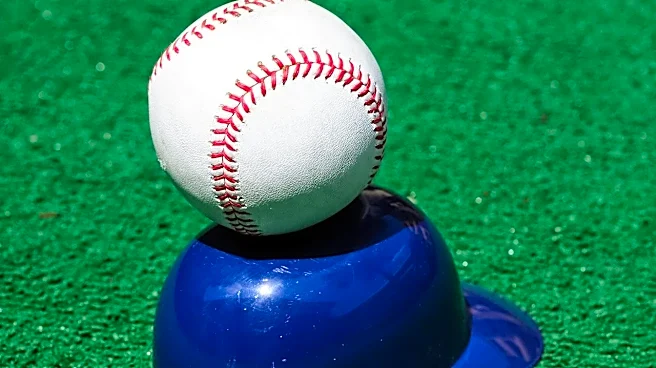
Before it’s a television spectacle, the Little League World Series (LLWS) is a community gathering. Since its start in 1947, the tournament has been rooted in Williamsport, Pennsylvania, a place that transforms into the center of the youth baseball universe
for two weeks. Tens of thousands of fans arrive, but the vibe isn't that of a slick, corporate mega-event. Admission and parking are famously free. A signature tradition involves fans sitting on the grassy hill beyond the outfield fence at Howard J. Lamade Stadium, many of kids using cardboard to sled down the slope. The town hosts a Grand Slam Parade to welcome the 20 teams—10 from the U.S. and 10 from around the world—creating a festival atmosphere that feels both global and deeply local. It’s this authentic, community-driven spirit that separates the LLWS from more commercialized youth championships.
The ESPN Effect and National Spotlight
Let’s be honest: a huge part of the magic is the broadcast. The relationship between Little League and ABC/ESPN is one of the longest-running in sports, dating back to 1963. Today, ESPN platforms broadcast over 300 Little League baseball and softball games a year, culminating in the LLWS. This isn't just a camera pointed at a kids' game. The network gives it the full professional treatment, with high-definition coverage, expert commentary, and player introductions. This exposure elevates 10-to-12-year-old players from local heroes into national figures overnight. Viewership numbers are impressive, with championship games often drawing millions of viewers—ratings that can compete with major college sporting events. This media partnership transforms a youth tournament into a shared national experience, creating household names and unforgettable moments for a massive audience.
A Genuine World Series
While many tournaments call themselves “world championships,” the LLWS truly earns the title. The journey begins with roughly 6,500 teams playing in local tournaments across dozens of countries. These teams are whittled down through district, state, and regional play until only 20 remain. The tournament features a U.S. bracket and an International bracket, guaranteeing a global showdown for the championship. Players from countries like Japan, Taiwan, Curaçao, and Mexico stay together in a complex, trading pins and sharing experiences. This cultural exchange is a core part of the event's identity. It's a rare sporting event where a team from the suburbs of California might face a team from the Caribbean, creating a melting pot of languages, customs, and styles of play on a single, celebrated stage.
The Purity of the Game
In an era where youth sports are increasingly defined by high pressure, early specialization, and financial investment, the LLWS feels like a throwback. The players are competing for the love of the game, not for a scholarship or a professional contract. The emotions are raw and real—the unbridled joy of a walk-off home run, the tearful sportsmanship of a post-game handshake line. Even Major League Baseball recognizes this unique appeal. The annual MLB Little League Classic brings two MLB teams to Williamsport to play a game and interact with the Little Leaguers, a symbolic nod to the pure roots of the sport. The players’ genuine passion is contagious and serves as a refreshing counter-narrative to the often cynical world of professional sports, reminding viewers why they fell in love with the game in the first place.