


The Anatomy of a Hype Train
It all starts with a spark. A rookie running back gets first-team reps in practice because the starter has a minor injury. A second-year receiver makes a spectacular one-handed catch in a meaningless preseason game. A coach mentions a player has been
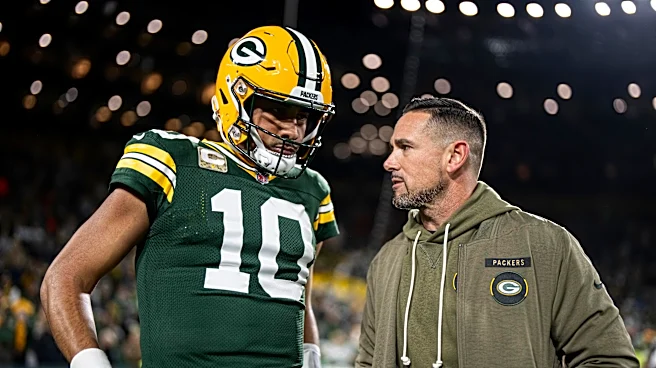
“lighting it up in camp.” Suddenly, the fantasy football news cycle has its new obsession. Analysts and influencers amplify the news, and Average Draft Position (ADP) trackers show the player’s stock climbing. For example, a player like Green Bay running back MarShawn Lloyd might see his ADP jump significantly after getting first-team work due to an injury to a teammate. This creates a powerful feedback loop: the rising ADP becomes part of the story, signaling to other drafters that this player is in demand.
The Psychology of Scarcity and FOMO
At its core, chasing an ADP riser is about emotion, not logic. The primary driver is the Fear Of Missing Out (FOMO). As you see a player you’ve heard good things about shoot up the draft board, a sense of urgency kicks in. This is rooted in a psychological principle called loss aversion, where the pain of missing a potential gain feels stronger than the pleasure of acquiring it. You start to imagine this player becoming a league-winner and envision the regret of passing on him. Every time someone else drafts him, the supply shrinks, increasing his perceived scarcity and your desire to get him before it’s too late. This creates a bidding war mentality, even in snake drafts, where the “price” is a higher draft pick than you’d planned to spend.
Recency Bias: The Newest News Feels Truest
Our brains are wired to give more weight to recent events than to older information. A player’s entire college career or two seasons of mediocre NFL production can be mentally erased by one flashy 65-yard touchdown in a preseason game. That highlight is fresh, exciting, and easy to recall. This recency bias convinces us that this new, small piece of information is more predictive of future success than a larger body of evidence. We anchor our expectations to the positive camp report or the big play, ignoring the established depth chart or the player’s historical inconsistency. We fall in love with the story of the breakout, forgetting the statistical probability of it actually happening.
When the Price Outpaces the Value
The entire point of finding a “sleeper” is to draft a player whose potential production exceeds his draft cost. A running back who you project to finish as the RB20 is a fantastic value in the eighth round, but a massive reach in the fourth. Once a hype train leaves the station, a player’s ADP often rises to—and then past—his realistic ceiling. At that point, the value is gone. Drafting him is no longer a savvy move; it's a speculative overpay. Paying a premium for a player with a newly elevated ADP means you’re assuming all of the upside with none of the discount. If he hits, you essentially broke even. If he busts, you’ve wasted a valuable draft pick that could have been used on a player with a safer floor and a more projectable role.
How to Beat the Hype and Draft Smarter
Resisting the pull of a rising ADP requires discipline. The first step is to trust the research you did before the last week of the preseason. Let your foundational player evaluations anchor your decisions, not the latest buzz. Secondly, think in terms of price points. Decide the absolute latest you’d be willing to draft a player and stick to it. If someone reaches for a hyped player before that point, let them. That’s one less competitor for the true values that fall later in the draft. Finally, remember that for every late-preseason riser who becomes a league-winner, there are dozens who fade back into obscurity by Week 3. Smart drafting is a game of probability, not just possibility. Don’t be afraid to let the hype train leave the station without you; often, the smarter play is waiting for the next one.