



The TV Executive's Nightmare
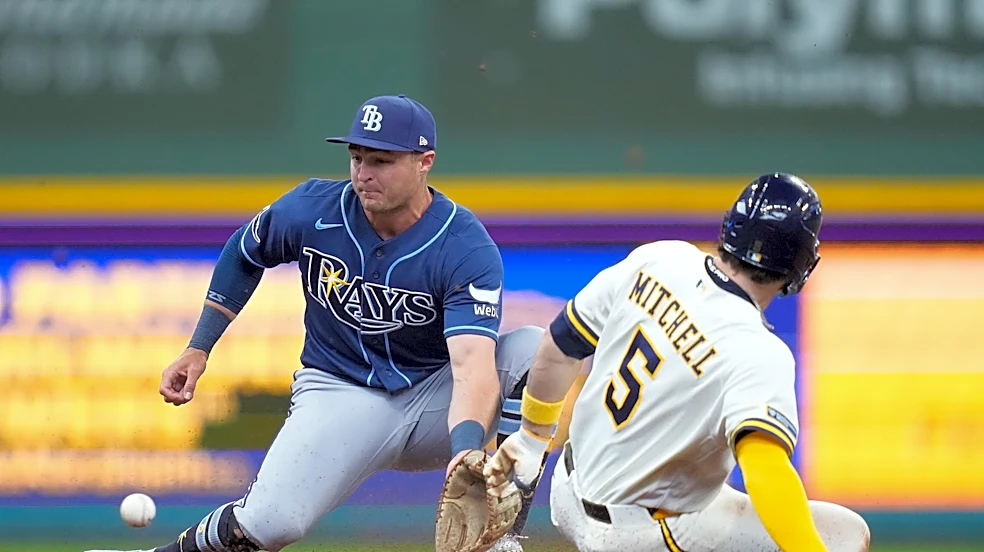
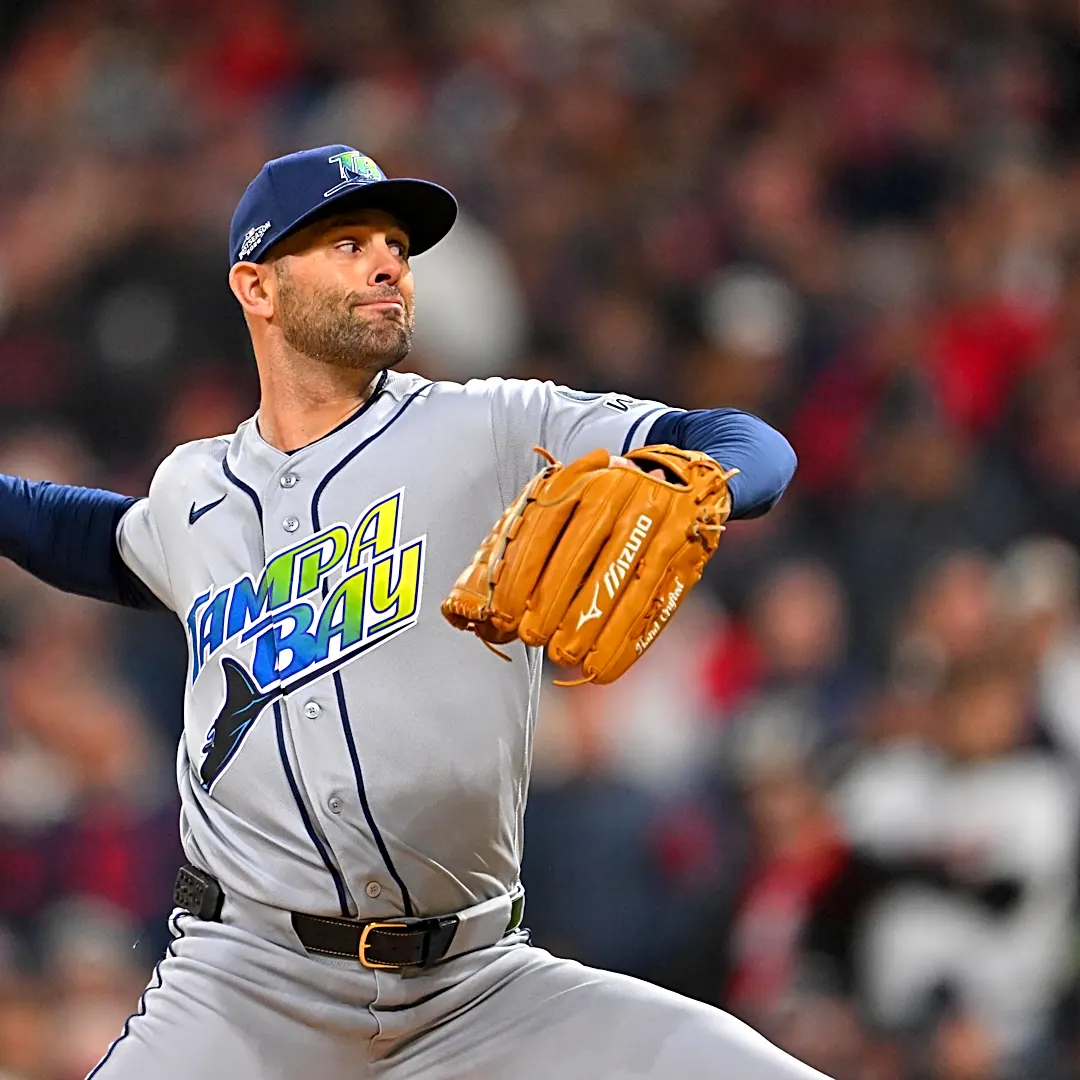
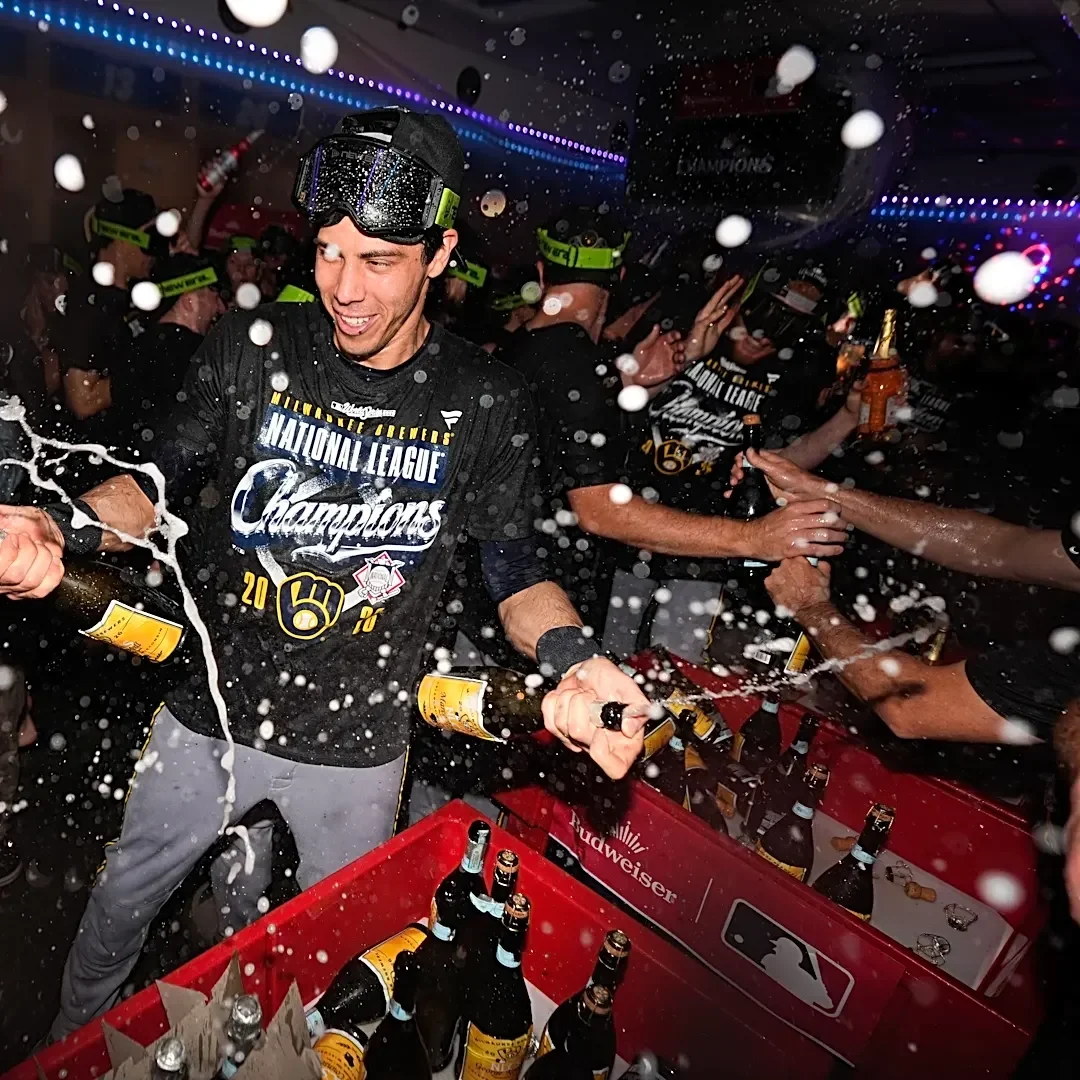
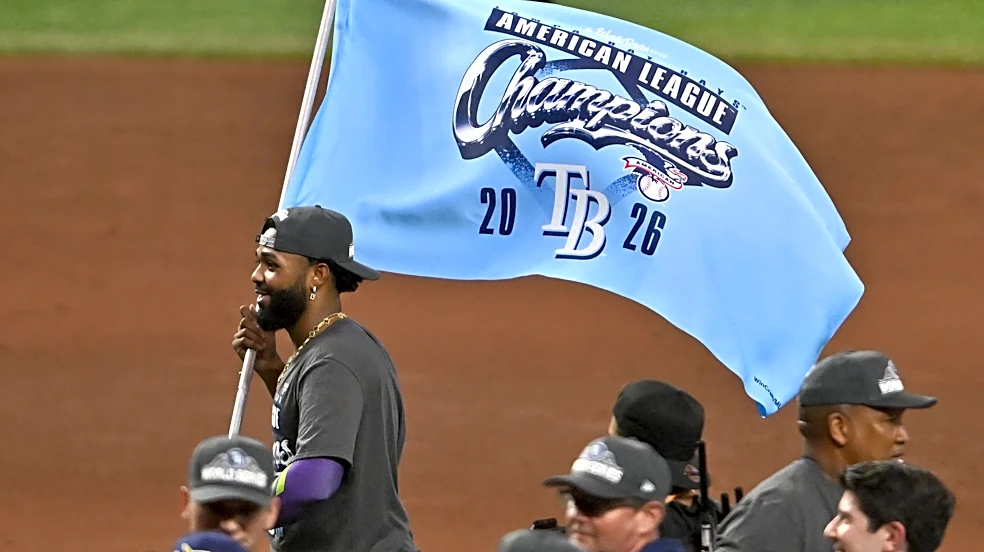
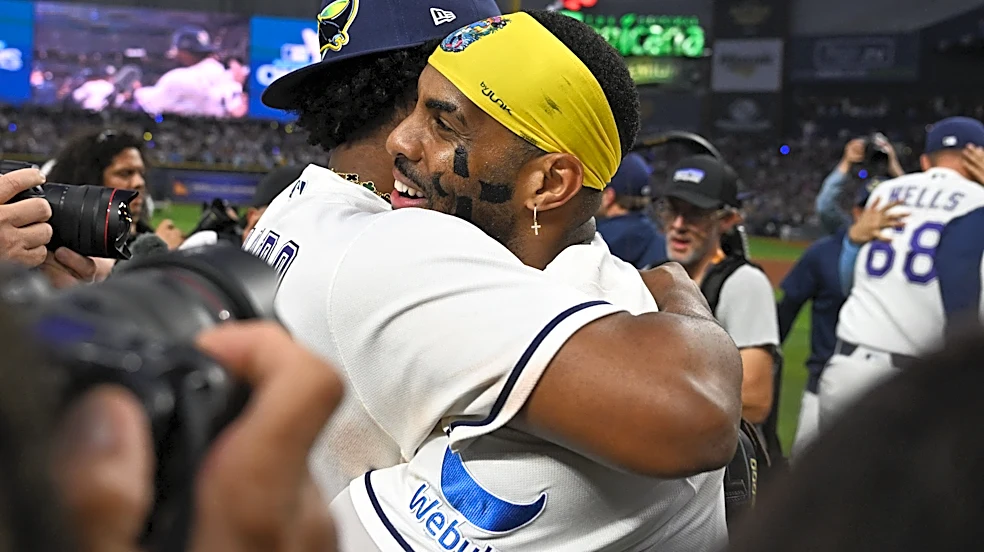
On paper, the matchup is a dream for baseball purists but a headache for network executives at Fox, who are paying billions for broadcast rights. The Tampa Bay (St. Petersburg) and Milwaukee media markets rank 11th and 38th in the U.S., respectively.
This isn't the 2024 New York Yankees vs. Los Angeles Dodgers juggernaut or the 2025 edition with the Dodgers and the huge international draw of the Toronto Blue Jays. The fear is simple: fewer built-in fans in major population centers means fewer casual viewers tuning in, leading to a ratings dip. This anxiety is especially sharp after the 2023 World Series between the Texas Rangers and Arizona Diamondbacks became the least-watched Fall Classic on record, averaging just over 9 million viewers. With two franchises from the bottom half of league payrolls, the immediate assumption is that 2026 will be a repeat of that ratings disaster.
When History Tells a Different Story
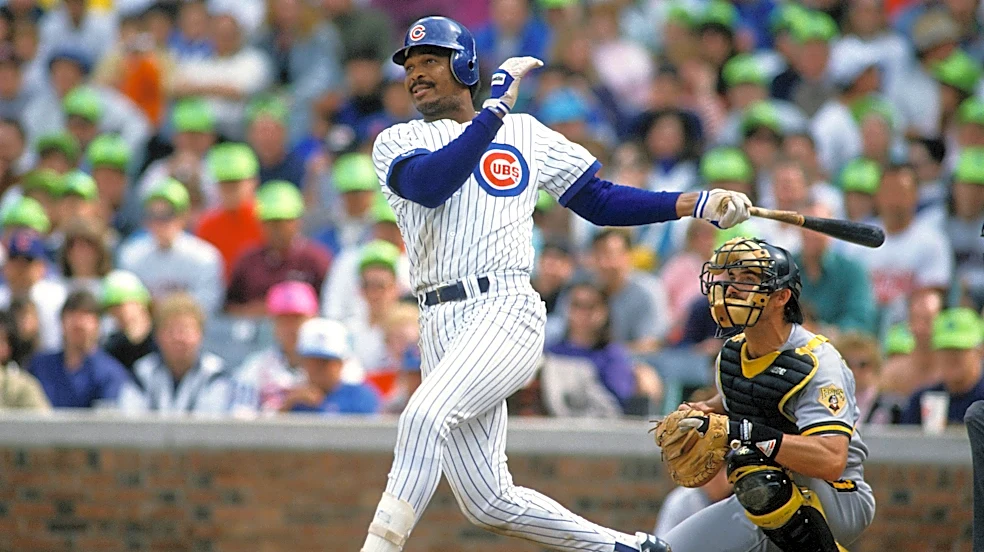
But market size has never been the only factor. The 2016 World Series between the Chicago Cubs and Cleveland was a ratings monster, averaging over 23 million viewers—more than the Dodgers-Yankees matchup in 2024. Why? The narrative was irresistible: the Cubs were chasing their first title in 108 years. Conversely, some of the lowest-rated series have featured big-market teams. The 2020 series, where the Dodgers defeated the Rays, was the least-watched ever at the time. The 1980 World Series between the Philadelphia Phillies and Kansas City Royals remains one of the highest-rated of all time, proving that two non-glamour markets can capture the nation's attention. History shows that while a big city provides a high floor, it doesn't guarantee a high ceiling.
It’s Not the Market, It’s the Magic
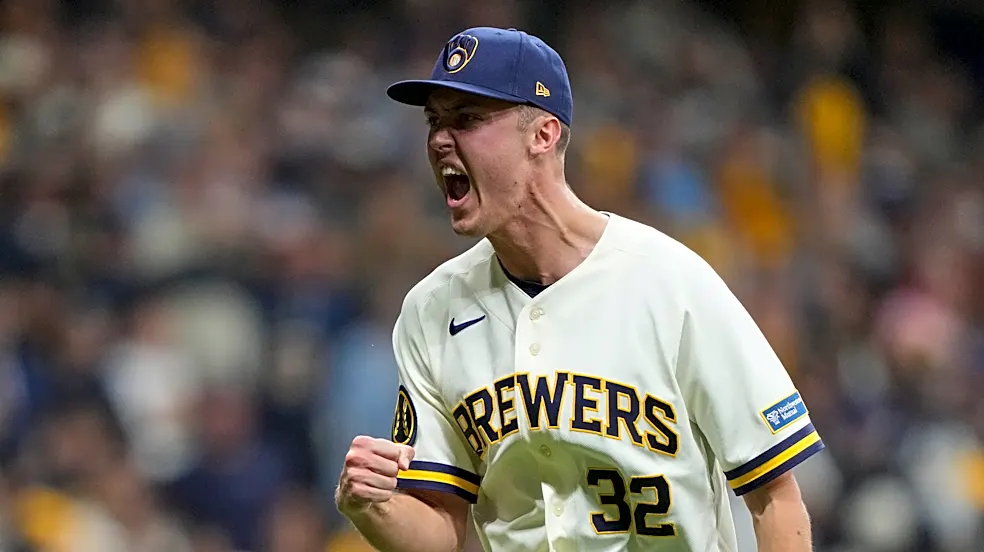
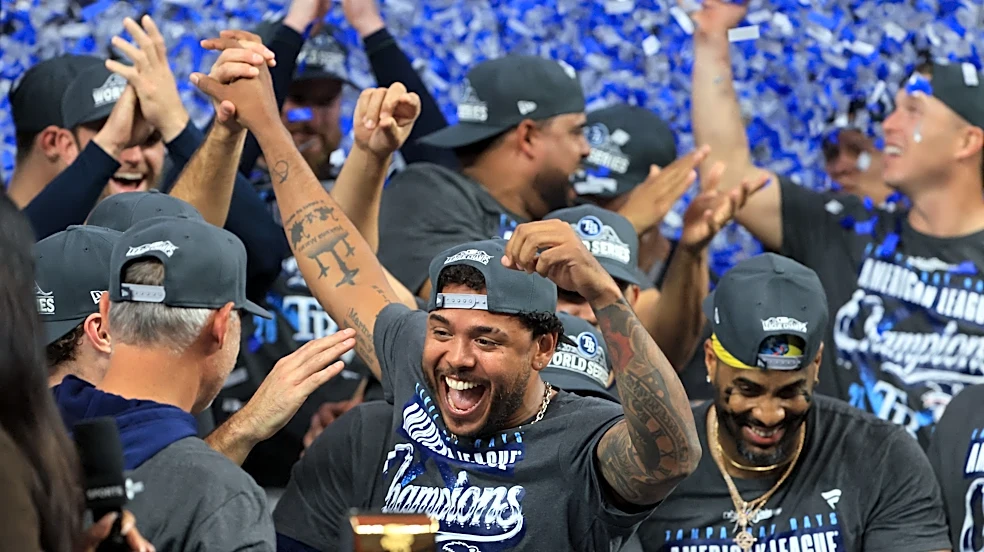
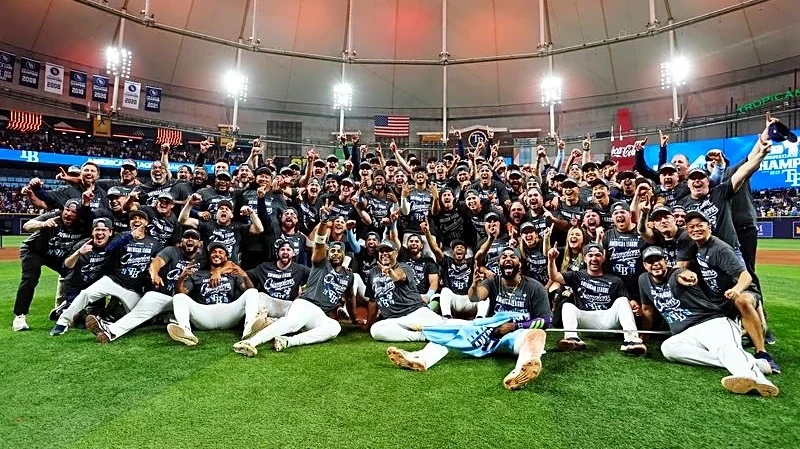
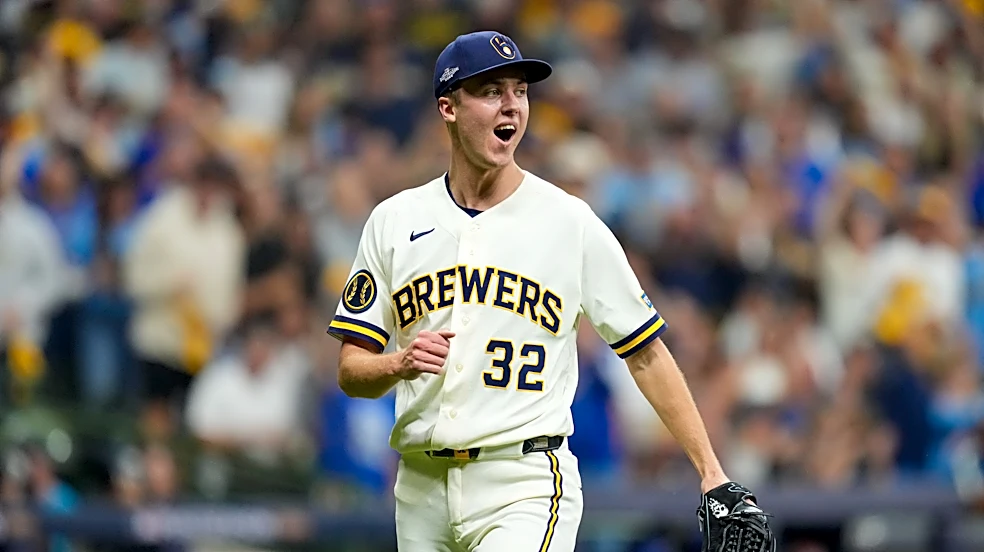
So what really drives viewership? Three things: stars, stakes, and series length. A competitive series that goes to a sixth or seventh game is the single most important ingredient for big ratings. Those final, winner-take-all games draw in millions of casual fans who might have ignored the first few contests. Star power also matters. The 2026 series features compelling players like Milwaukee's fireballer Jacob Misiorowski and Tampa Bay's breakout slugger Junior Caminero. But the biggest factor is the story. This year delivers a powerful one: neither the Brewers nor the Rays have ever won a World Series. It's the first time since 1980 that two teams seeking their first-ever championship have faced off, guaranteeing a historic, franchise-altering victory for one city. That kind of narrative can often overcome market-size limitations.
The Streaming Wild Card
Furthermore, the way we measure viewership is changing. The hand-wringing over Nielsen ratings ignores the fractured media landscape. Linear television ratings have been declining for years across all forms of entertainment. At the same time, MLB's digital viewership is growing, and Nielsen itself has updated its methodology to better capture out-of-home viewing (like at bars and restaurants), which tends to boost numbers for major live sports. While a Rays-Brewers series is unlikely to touch the 15+ million average viewership of the last two Dodgers-led championships, it's also unlikely to crater at 2023 levels thanks to these new measurement tools and the positive momentum baseball has seen recently. The raw number of people watching on a specific platform is becoming a less complete picture of a game's total reach.