


The August Antidote to WrestleMania
When WWE created SummerSlam in 1988, the mission was clear: establish a second pillar to complement the grandeur of WrestleMania. Dubbed "The Biggest Party of the Summer," it was designed as a stadium-level spectacle with a distinct, more relaxed vibe.
While WrestleMania was about formal pageantry and crowning moments, SummerSlam quickly became the place for wild brawls, shocking character turns, and high-stakes championship showdowns that felt more immediate and intense. The first event at Madison Square Garden set the tone, but it was moments like the 1992 classic between Bret Hart and The British Bulldog at a sold-out Wembley Stadium in London that cemented its legacy for delivering legendary in-ring action. It wasn't trying to be WrestleMania; it was crafting its own identity as the high point of the summer.
A Showcase for Iconic Moments
For any long-running event to endure, it needs moments that burn into the collective memory of its audience. SummerSlam has a highlight reel that few can match. It’s where Shawn Michaels made his triumphant return to the ring in 2002 after a career-threatening injury, where The Ultimate Warrior ended the Honky Tonk Man's record-setting Intercontinental title reign in seconds, and where the first-ever TLC (Tables, Ladders, and Chairs) match created a new language of beautiful chaos. These moments weren't just great matches; they were narrative turning points. They established SummerSlam as a show where anything could happen and where careers were made or redefined overnight. This reputation for unpredictability and work-rate quality has been a key reason fans of all ages continue to tune in, expecting to see history.
The Generational Proving Ground
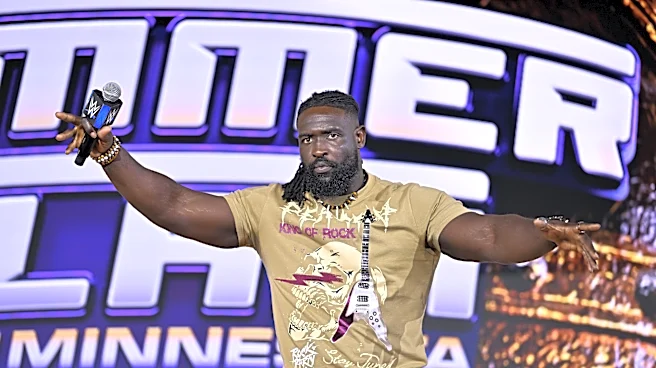
Perhaps the most crucial part of SummerSlam's growing legacy is its role as a generational launchpad. More than any other event, it has become the stage where one era passes the torch to the next. In 2002, a rookie Brock Lesnar conquered The Rock to become the youngest WWE Champion, signaling a seismic shift in the main event scene. Years later, Daniel Bryan’s hard-fought victory over John Cena was a defining moment for a new kind of superstar. Today’s younger fans gravitate toward new heroes like Oba Femi, Trick Williams, and Penta, who are leaving their own mark on the event. The structure of wrestling storytelling relies on building new stars, and SummerSlam has consistently proven to be the most effective platform for anointing them. It’s where legends are solidified and new headliners are born, ensuring a fresh cast of characters for the next generation to champion.
Evolving for the Modern Fan
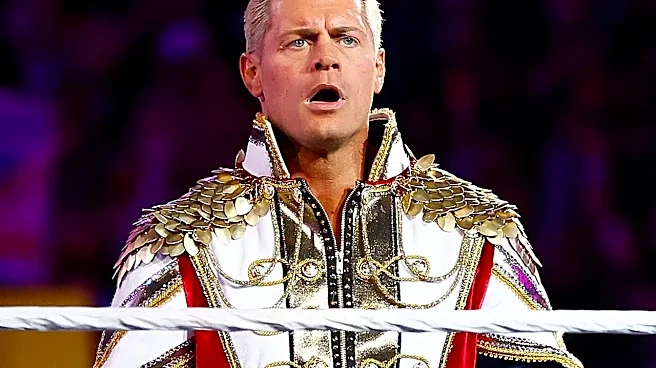
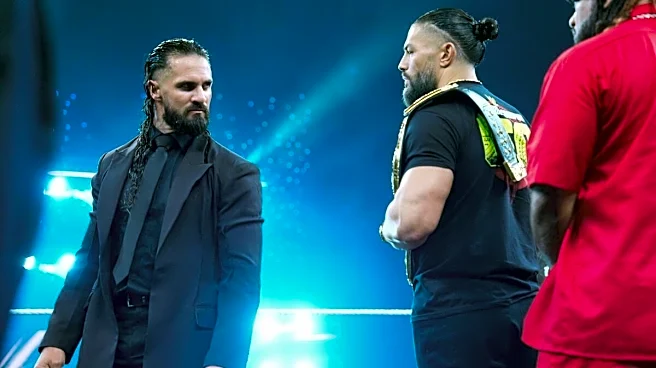
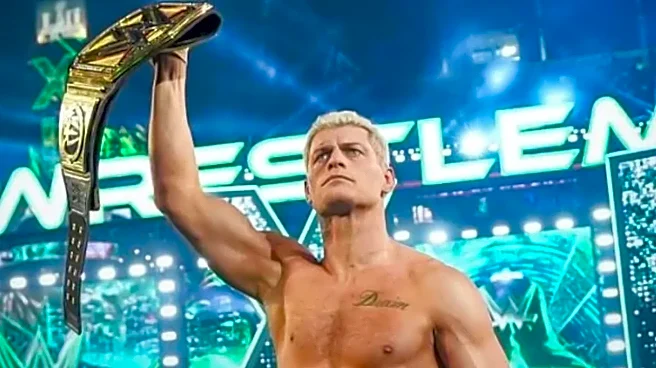
In 2026, SummerSlam is bigger than ever, reflecting the evolution of WWE itself. Now a two-night stadium event, this year's installment in Minneapolis is a testament to its blockbuster status. The event will stream exclusively on ESPN's platform in the U.S. and on Netflix in many international markets, reaching a global audience on a scale unimaginable in 1988. This year's card features dream matches like CM Punk vs. Cody Rhodes and Roman Reigns vs. Seth Rollins, blending established legends with current fan favorites. Furthermore, partnerships with brands like ESPN to award a "Moment of the Night" championship show how WWE is innovating to keep the product engaging for a modern, digitally native audience that craves shareable content. By embracing new platforms and creating new traditions, SummerSlam isn't just resting on its history; it's actively building on it.