
The New York Energy
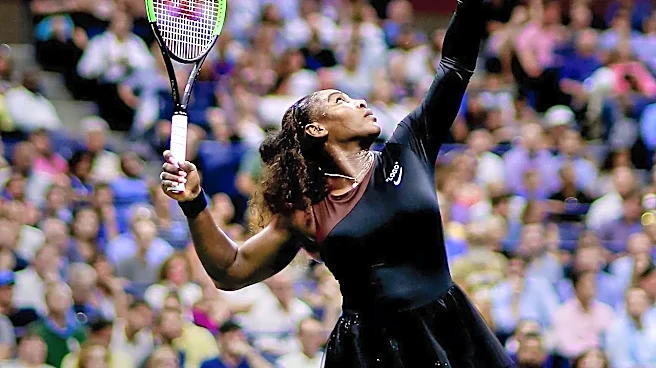
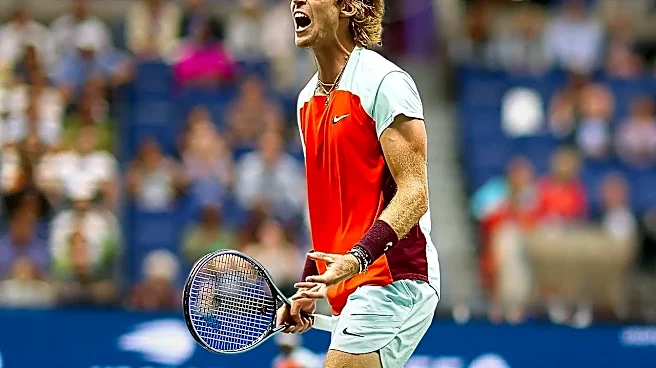
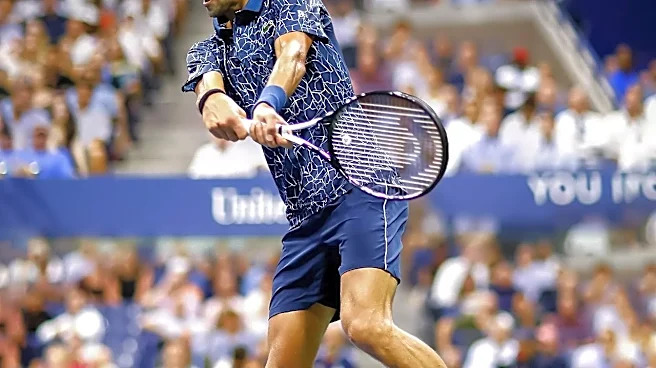
Unlike the polite applause at Wimbledon, the US Open is loud, proud, and unapologetically New York. The crowds are boisterous, the atmosphere is electric, and the entire event pulses with the energy of the city that never sleeps. This isn't a quiet country
club affair; it's a massive, two-week festival in Queens where fans are deeply and audibly invested in every point. Players often talk about feeding off the energy from Arthur Ashe Stadium, the largest tennis arena in the world, where more than 23,000 spectators can create a deafening roar that makes a routine match feel like a heavyweight title fight. This unique, high-decibel environment can forge champions and break contenders, making the crowd an active participant in the drama.
Drama Under the Lights
The US Open pioneered night sessions at Grand Slams back in 1975, and it remains the tournament's signature feature. Playing under the floodlights in New York creates a gladiatorial atmosphere unlike any other in tennis. The cooler evening air, the packed stands, and the sense of prime-time drama have produced some of the sport’s most iconic moments and marathon matches that stretch past midnight. These after-dark clashes are not just tennis matches; they are events. For players, it’s a test of nerve under intense pressure. For fans, it's an unforgettable spectacle, combining world-class sport with the thrill of a big night out. As Andre Agassi famously said after one legendary late-night battle, "I wasn't the winner; tennis was."
A History of Trailblazing
The US Open has never been afraid to break from tradition. In 1973, spurred by the advocacy of Billie Jean King, it became the first Grand Slam to offer equal prize money to men and women, a landmark decision that reshaped the sport. It's also the only major to have been played on three different surfaces: grass, clay, and now hard court. This willingness to evolve is part of its identity. From being the first major to use a tiebreak in 1970 to installing a retractable roof over its main stadium, the tournament has consistently prioritized innovation and making the event more fan- and TV-friendly.
The Ultimate Meritocracy
The fast, unforgiving hard courts of Flushing Meadows are a true equalizer. The surface doesn't favor one style of play, rewarding both powerful baseline hitters and crafty all-court players. This, combined with the pressure-cooker atmosphere, makes the US Open a breeding ground for shocking upsets and Cinderella stories. Its history is filled with underdog champions and stunning early-round exits for top seeds. Unlike the specialized surfaces of Wimbledon's grass or the French Open's clay, the US Open's courts provide a neutral battleground where tenacity and endurance are often the deciding factors over a grueling two weeks.
The Final Grand Slam
As the fourth and final Grand Slam of the year, the US Open carries a unique weight. For players who have won the first three, it's the last hurdle to achieving a historic calendar-year Grand Slam. For others, it represents the last chance of the season to capture major glory, creating a sense of desperation and high stakes. This end-of-season positioning adds a layer of psychological drama to every match. Careers can be defined, and legacies cemented, during these two weeks in New York, making it a thrilling and often emotionally charged conclusion to the Grand Slam calendar.