



The Sunday Afternoon Paradox
Welcome to the weekly emotional battlefield of the modern NFL fan. Your heart is pledged to one team, a loyalty forged in childhood memories and Sunday traditions. Your mind, however, is now also managing a meticulously crafted fantasy football roster—a
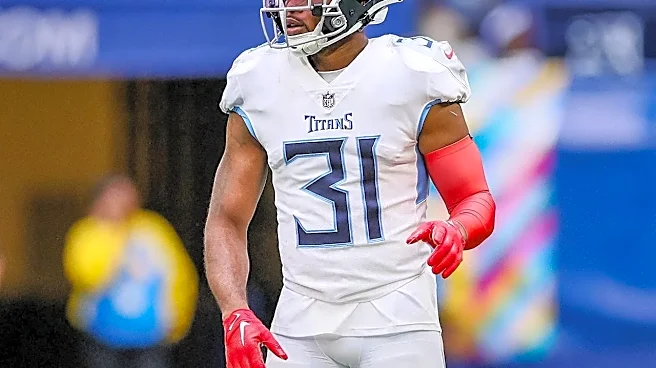
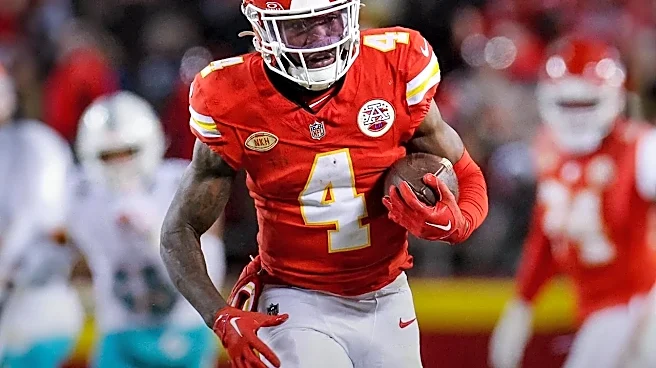
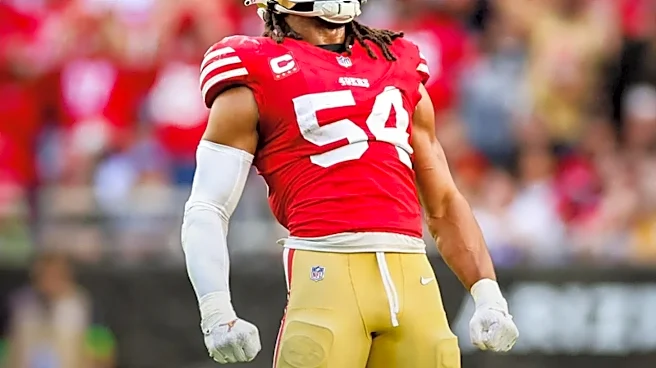
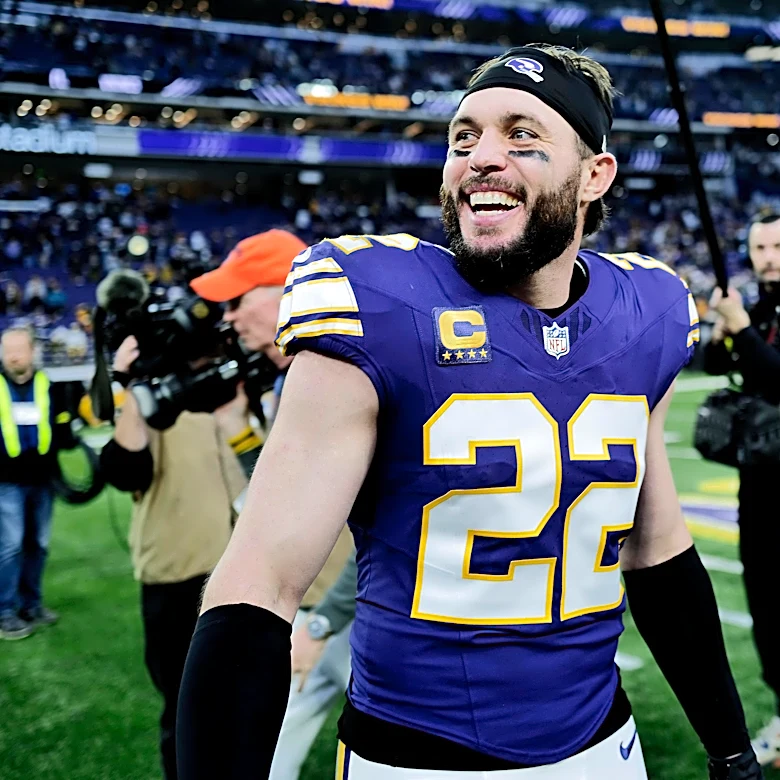
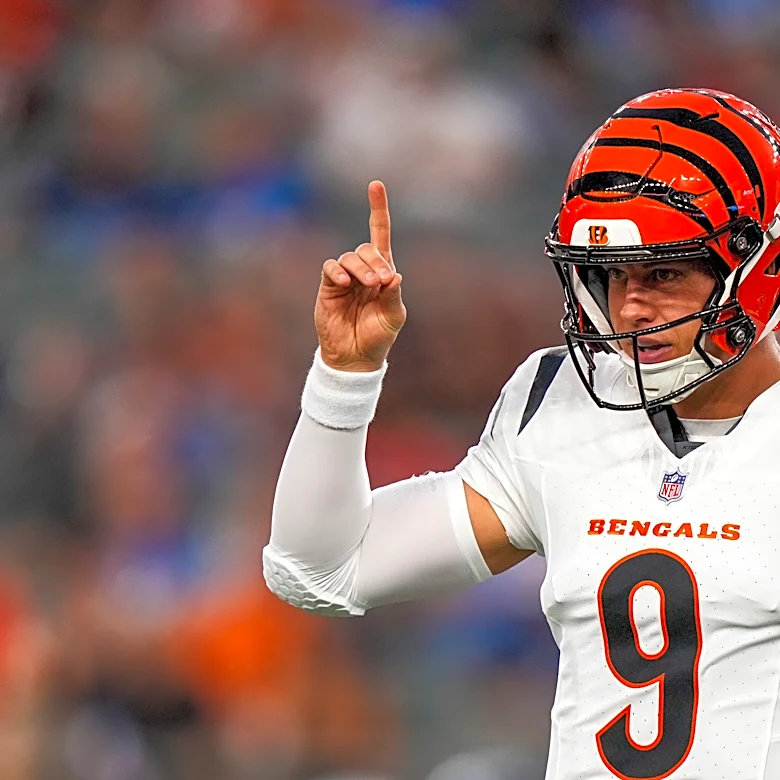
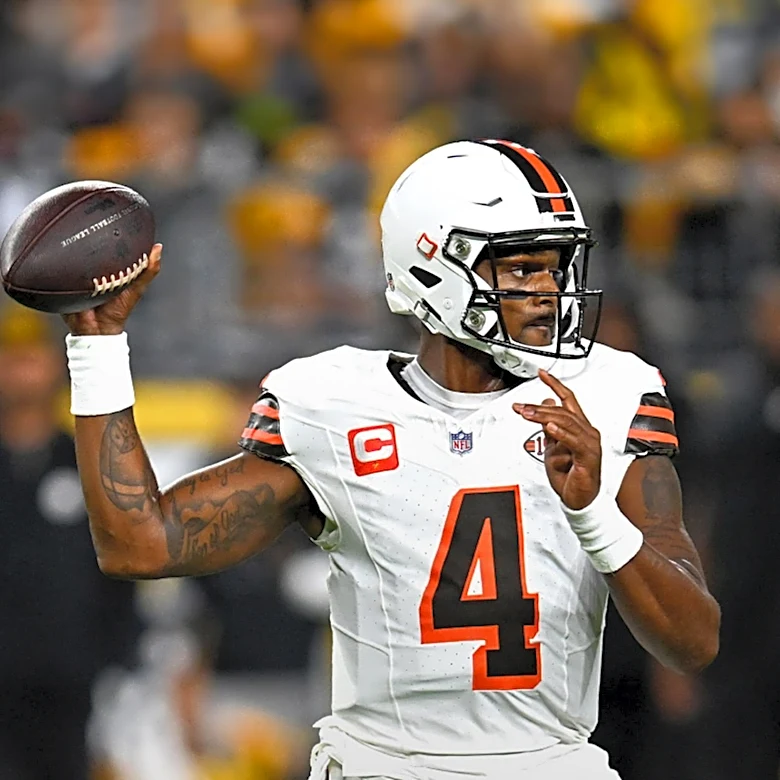
team of mercenaries assembled from across the league, including, inevitably, players from your most hated rivals. This creates a state of internal conflict known as cognitive dissonance. You hold two contradictory beliefs: “I want this rival team to fail miserably,” and “I need their star receiver to score at least 15 points to win my fantasy matchup.” That quiet cheer when he hauls in a touchdown against a neutral opponent is the sound of your brain trying to reconcile two powerful, competing desires. It’s a paradox that plays out in living rooms across America every Sunday, turning straightforward fandom into a complex, multi-layered affair.
The Brain on Fandom vs. Fantasy
Traditional team loyalty is rooted in social identity theory. Your team is an extension of you; when they win, “we won,” and their success enhances your self-esteem. You bond with fellow fans over a shared history and a common enemy. Fantasy football, on the other hand, is built on personal investment and individual performance. You aren't just a fan; you're a general manager. You drafted these players. You studied their matchups. Their success is your success, a direct result of your strategic decisions. This creates a powerful, player-specific attachment that can sometimes rival decades of team loyalty. Research has shown that fantasy participation increases overall NFL engagement, making fans spend more time watching games and researching players. In fact, one study found that over 40% of participants would prefer a win for their fantasy team over a win for their favorite NFL team.
Rise of the Player-Centric Fan
Before the explosion of fantasy sports, most fans were exclusively team-loyal. You knew your team’s roster inside and out, but players on other teams were often just faceless opponents. Fantasy changed that dynamic entirely. Suddenly, the third-string running back on a struggling team isn't irrelevant; he’s a potential waiver-wire hero who could win you a championship. This shift has cultivated a new generation of player-centric fans, whose allegiance follows individual athletes from team to team. You might be a die-hard Bears fan, but you find yourself watching a Jets game with intense interest because your fantasy quarterback plays for them. This phenomenon has been a massive boon for the NFL. Games that once had only regional appeal now draw national interest from millions of fantasy managers whose playoff hopes hang in the balance. It’s a key reason why products like NFL RedZone, which whips around the league showing every scoring play, have become essential viewing.
Is It Betrayal or Just a New Layer?
Some purists argue that fantasy football corrupts fandom, reducing the beautiful complexity of the game to a spreadsheet of statistics and encouraging a selfish viewing experience. They argue it muddles loyalties and detracts from the communal joy of rooting for one team, win or lose. But for millions, it’s simply an evolution of what it means to be a fan. It doesn’t necessarily replace team loyalty but adds another compelling layer to it. The social aspect—the group chats, the draft parties, the year-long bragging rights among friends—has become a beloved ritual in its own right. For many, the community built around a fantasy league is as important as the game itself. It provides a reason to care about the entire league from August through January, transforming otherwise meaningless matchups into high-stakes drama.