







The Ultimate Stylistic Chess Match
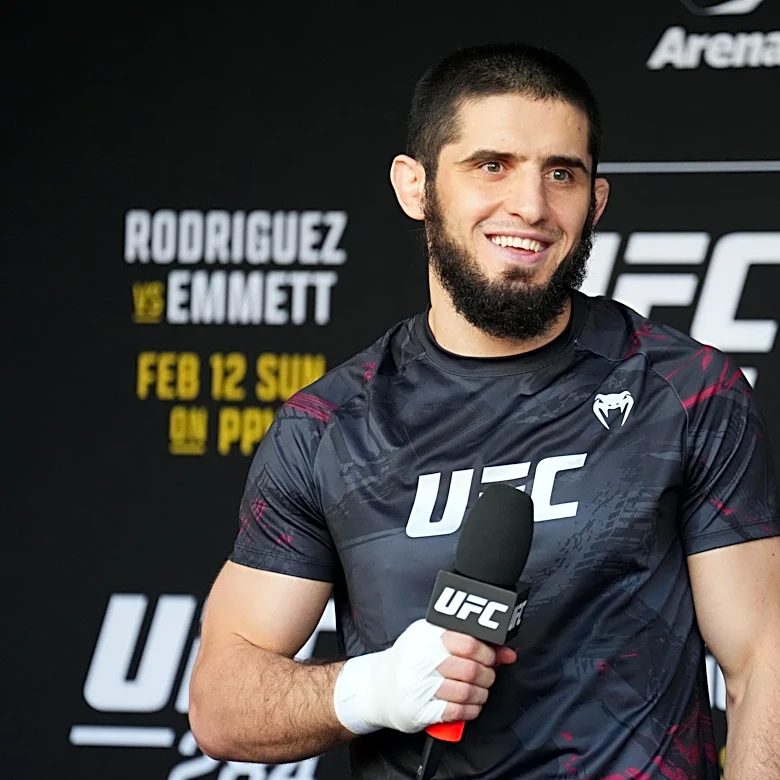
At its core, this is a classic MMA story: the grappler versus the striker. But that’s a wild oversimplification. Islam Makhachev is no one-dimensional wrestler. Trained from childhood in the Dagestani system of combat sambo under the legendary Abdulmanap
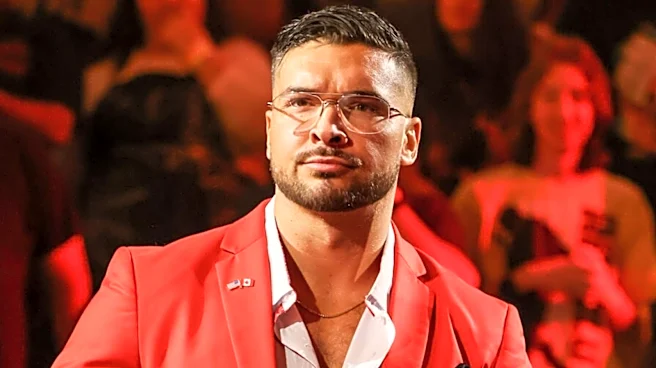
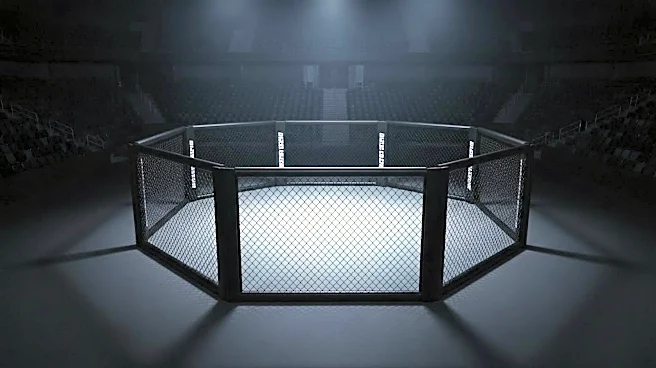
Nurmagomedov, his game is built on suffocating control that flows seamlessly into submissions. He doesn't just take opponents down; he dismantles them with relentless pressure, turning defense into desperate mistakes. His striking, once seen as a mere accessory, has evolved into a potent weapon, as seen in his knockout of Alexander Volkanovski. He is a master of removing chaos from the fight. Across the octagon stands Ian Machado Garry, a product of a different but equally modern fight philosophy. Standing 6'3" with a significant reach advantage, Garry's foundation is in striking, but it's not the flat-footed slugging of a bygone era. It's a fluid, distance-based attack honed at elite gyms like Chute Boxe. His game is about managing range, using sharp kicks and a precise jab to dissect opponents from the outside. Yet, to survive at the top of the welterweight division, he developed a respectable 80% takedown defense, proving he's no easy mark for wrestlers. This isn’t just about two specialists; it’s about two complete martial artists whose primary weapons create a fascinating tactical problem for one another.
Two Champions, Two Paths to Greatness
This fight also represents the collision of two distinct career arcs. Makhachev carries the weight of a dynasty. As the hand-picked successor to his friend and mentor Khabib Nurmagomedov, he was tasked with not just winning, but dominating. After a long and successful reign as the lightweight champion, he moved up to welterweight and captured a second belt, becoming just the 11th fighter in UFC history to achieve two-division champion status. He fights with the calm, terrifying confidence of a man who believes victory is his birthright. His 16-fight winning streak, tying Anderson Silva's legendary record, is a testament to his sustained excellence.
Machado Garry's journey has been a whirlwind of hype, controversy, and thrilling performances. Dubbed 'The Future' early on, the Irishman has embraced the spotlight, using his brash confidence to build a massive following. After suffering his first career loss in late 2024 to Shavkat Rakhmonov, he rebounded with crucial wins over top contenders, including a former champion in Belal Muhammad, to earn his title shot. For Garry, this fight isn't about continuing a legacy; it's about building his own and fulfilling the immense promise that has followed him since his debut.
A Global Sport at its Apex
The days of MMA being dominated by one or two countries are long gone. This matchup is a perfect illustration of the sport's global reach. Makhachev represents the seemingly bottomless pool of elite talent emerging from Dagestan, a region that has fundamentally reshaped the grappling meta of the entire sport. Their style, a fusion of sambo and wrestling, has become the puzzle every contender must solve.
Meanwhile, Garry is at the forefront of a new wave of European superstars who have grown up with MMA. Inspired by predecessors like Conor McGregor, they are not martial artists who transitioned to MMA; they are MMA natives who have trained in all facets of the sport from day one. This global dynamic brings different training philosophies, fanbases, and national pride into the octagon, raising the stakes beyond just a title belt. It showcases how different parts of the world are innovating and pushing the sport forward in unique ways.
The Definition of a Modern Fighter
Ultimately, UFC 330's main event works so well because both men are archetypes of the modern fighter. The era of style-versus-style is ancient history. Today's elite are expected to be masters of all trades. Makhachev, the sambo world champion, now has a head-kick knockout on his resume. Garry, the sniper-like striker, has the takedown defense and grappling acumen to hang with the division's best. They are hyper-athletic, possess high fight IQs, and are backed by the world's best teams who devise meticulous, opponent-specific game plans. They don't just fight; they solve problems in real-time under the brightest lights. This matchup isn't about which style is better; it's about which complete athlete can better impose his will. That, in essence, is the beauty and brutality of mixed martial arts in 2026.