





What Exactly Are Positional Tiers?
Forget staring at a rigid list of players ranked 1 to 200. A tier-based approach groups players of similar value together at each position. Instead of arguing whether the 18th-best player is truly better than the 22nd, tiers acknowledge that they're in the same
ballpark. Think of it like this: Tier 1 running backs are the elite, can't-miss studs. Tier 2 backs are high-end starters with slightly more question marks. Tier 3 might be solid, but less spectacular, starters. The most important part of the tier list isn't the players themselves, but the gaps between the tiers. That's where you find the 'tier breaks'—the visible drop-offs in projected value and expected production. Recognizing these cliffs is the key to understanding where the real value lies.
Why Tiers Beat Simple Rankings
A standard rankings list is fragile. The moment your target player gets sniped, your plan can crumble, leading to a panic-pick you'll regret by Week 3. Tiers, on the other hand, are flexible. They are your draft day roadmap, helping you adapt on the fly. When a player is taken, you simply cross their name off the tier. If there are still five other receivers in that same tier, you know you can likely wait another round to address the position and grab a player from a scarcer tier first. This method helps you visualize the entire draft board, not just a single list. It prevents you from reaching for a position just to fill a roster spot, because you can see if comparable talent will still be available later. Essentially, tiers stop you from making emotional decisions and instead empower you to make calculated ones based on value and scarcity.
How to Build Your Own Tiers
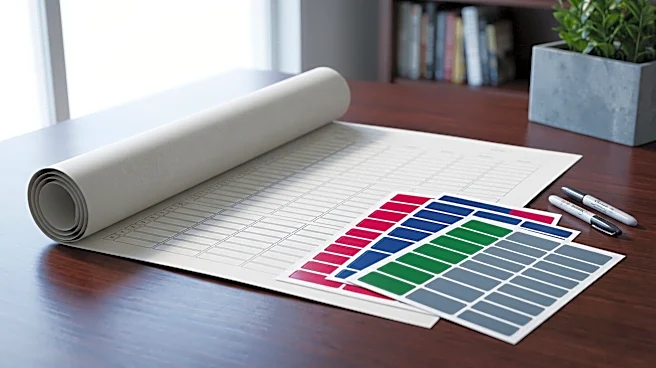
Creating tiers sounds intimidating, but it’s simpler than you think. You don’t need a complex algorithm—just a good set of consensus rankings and your own eyes. Start by grabbing a reliable, recently updated rankings list from an expert site. Focus on one position at a time, like running backs. Look at the top-ranked players. Is there a point where the projections or commentary suggests a significant drop in quality? Maybe after the top four running backs, there's a noticeable dip in expected workload or touchdown upside. That's your first tier break. All the players above that line are Tier 1. Now, continue down the list until you find the next cliff. That’s the end of Tier 2. Repeat this process for quarterbacks, wide receivers, and tight ends. You're not looking for tiny gaps; you're identifying the major drop-offs that separate elite options from good ones, and good ones from average ones.
Using Tiers to Dominate Your Draft
This is where your secret weapon gets deployed. On draft day, your goal is to grab a player from the highest-available tier. But the real magic happens when you're on the clock and need to decide between positions. Let's say the last Tier 2 running back is available, but there are still six players left in Tier 2 for wide receivers. The choice is clear: you draft the running back before that tier evaporates completely. Tiers are your early warning system for positional runs. When you see players from a specific tier starting to fly off the board, you know that the supply of high-quality options at that position is about to dry up, and you can act accordingly before you're left with a major hole in your roster. This strategy allows you to maximize value with every pick, ensuring you don't overpay for a player when a similarly valued one could be had rounds later.