



The Geometry of the Pass
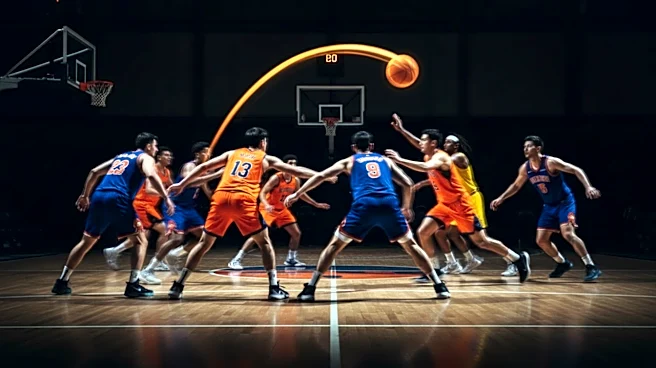
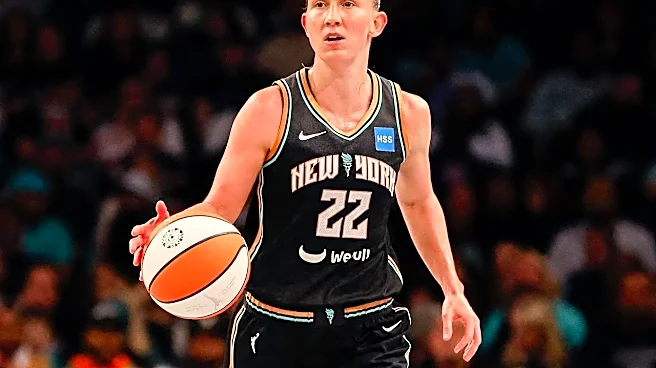
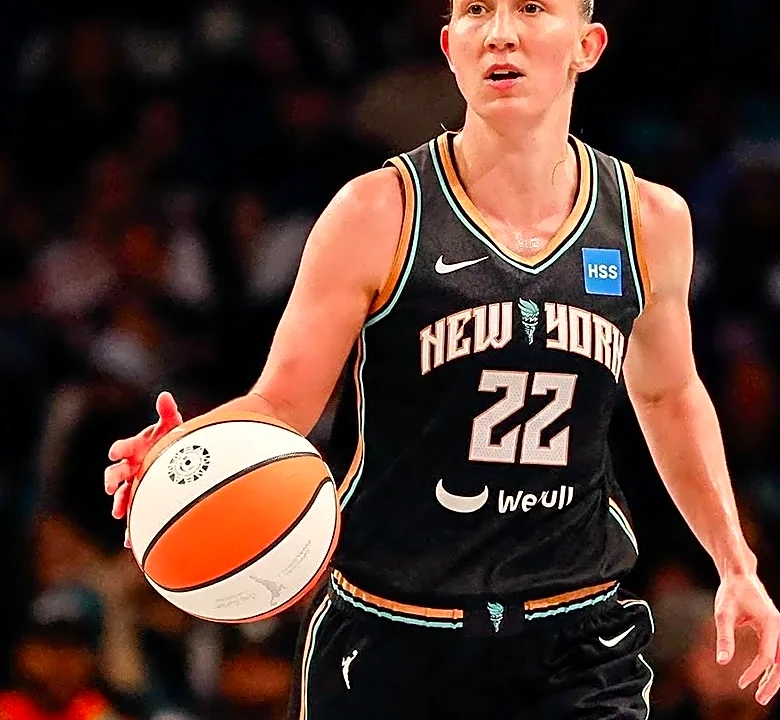
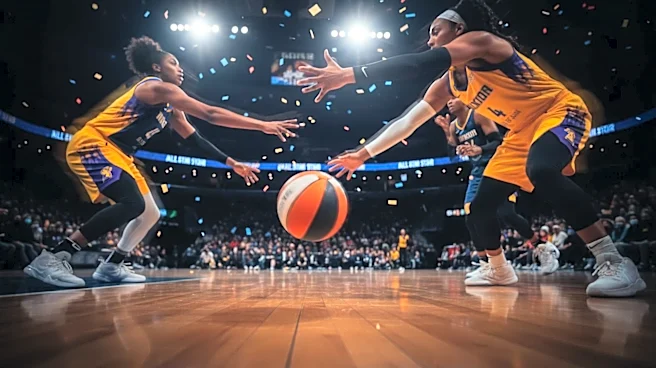
Any good point guard can hit an open teammate. A great one, especially in an All-Star game packed with scorers, understands how to pass a teammate into an even better shot. This isn't just about finding the open player; it's about the angle and timing
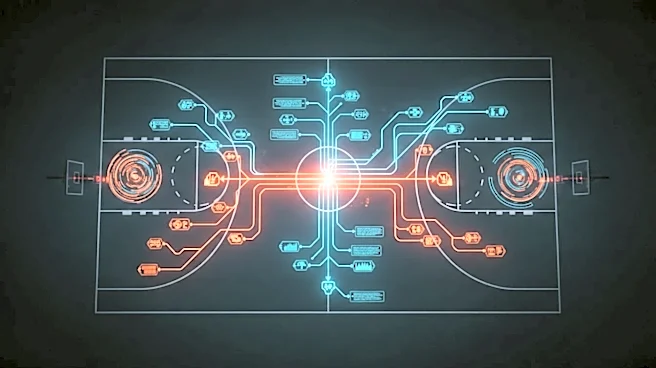
of the delivery. Watch how a guard like Chelsea Gray or Sabrina Ionescu will hold the ball for an extra half-second. That pause isn't indecision; it's a manipulation. It forces a help defender to commit, turning a good look for a teammate into a wide-open one. They are constantly solving geometry problems at high speed, delivering a bounce pass that hits a cutter perfectly in stride, away from the defender's reach, or throwing a skip pass that arrives just as a shooter's feet are set. This is about creating advantages out of thin air, a skill that's more about brain than pure brawn.
Manipulating Pace in a High-Speed Game
All-Star games are notoriously fast-paced, often becoming a frantic track meet. The truly elite floor generals impose their will by controlling this chaos. They know when to push the ball after a miss, like Caitlin Clark does, with outlet passes that start a fast break before the defense can set. But more importantly, they recognize the moments to deliberately slow things down. This might involve a seemingly casual walk-up dribble that is actually a survey of the entire court, allowing them to see mismatches the defense hasn't even recognized yet. By changing speeds—exploding for a drive, then pulling back into a hesitation dribble—they disrupt the rhythm of their defender and the entire opposing team. This control of tempo is a sign of ultimate confidence and basketball IQ, turning a disorganized, free-flowing game into one that bends to their preferred pace.
The Art of the Look-Away
We're not talking about the simple no-look pass that makes the highlight reels. The micro-adjustment is using the eyes and head to move defenders who aren't even guarding the ball. An elite point guard will stare down a player in the corner, not because they intend to pass there, but because they know a savvy weak-side defender is watching their eyes. That brief glance is enough to make the defender lean in that direction, opening up a different passing lane or driving lane that wasn't there a second ago. It's a game of deception played on multiple levels. They can sell a pass so convincingly that they create opportunities for themselves, using a hard look-off to freeze a big under the basket before blowing by their own stunned defender for an easy layup. In a game full of the world's best players, creating these tiny mental errors in the defense is often the only space needed to make a play.
Managing Egos and Hot Hands
Perhaps the most underrated skill in an All-Star setting is the role of diplomat. Every player on the floor is a star on their own team, used to a high volume of shots. The great point guard understands the human element of the game. They have an internal clock not just for the shot clock, but for their teammates' involvement. Has Breanna Stewart gotten a touch in the last few possessions? Is A'ja Wilson establishing her presence in the post? A great point guard feels the flow of the game and ensures the offense stays balanced and the other stars stay engaged. This might mean forgoing their own shot to reward a teammate who ran the floor hard or calling a specific play to get a shooter like Kelsey Mitchell going. It’s a leadership quality that doesn’t show up in the box score but is essential to turning a collection of talent into a cohesive, unstoppable unit, even if just for one weekend.